The Day France Killed Its King
On 21 January 1793, Louis XVI was executed at the Place de la Révolution. The vote for his death passed by 361 to 319 - a margin of forty-two deputies. What followed made the king look like the easy part.
161 posts tagged with this keyword.
On 21 January 1793, Louis XVI was executed at the Place de la Révolution. The vote for his death passed by 361 to 319 - a margin of forty-two deputies. What followed made the king look like the easy part.
On 20 January 1401, Barcelona's city council opened the Taula de canvi in the Llotja de Mar - a public bank that guaranteed deposits with tax revenue, cleared payments by ledger, and showed what happens when a state treats its own credit as infrastructure.
On 19 January 1629, Shah Abbas I died after forty-one years on the Safavid throne. He rebuilt a collapsing state into a military and commercial power, then crippled its future by destroying his own line of succession.
On 18 January 1871, the German Empire was proclaimed in the Hall of Mirrors at Versailles. On 18 January 1919, the Paris Peace Conference opened in the same city. Between those two dates lived the full arc of German power — born in a defeated enemy's palace, ended in the same city by men determined to make sure it never happened again.
On 17 January 395, Theodosius I died in Milan - the last man ever to govern a united Roman Empire. He left it to two sons, aged seventeen and ten. They never put it back together.
On 16 January 1547, a sixteen-year-old was crowned the first Tsar of all Russia. He reformed the law, conquered the Volga, and built Saint Basil's Cathedral. He also destroyed his dynasty and left his country on the brink of ruin.
On 15 January 1759, the British Museum opened its doors to the public — tickets by written application only. It holds eight million objects today, charges nothing to enter, and argues with half the world about giving things back.
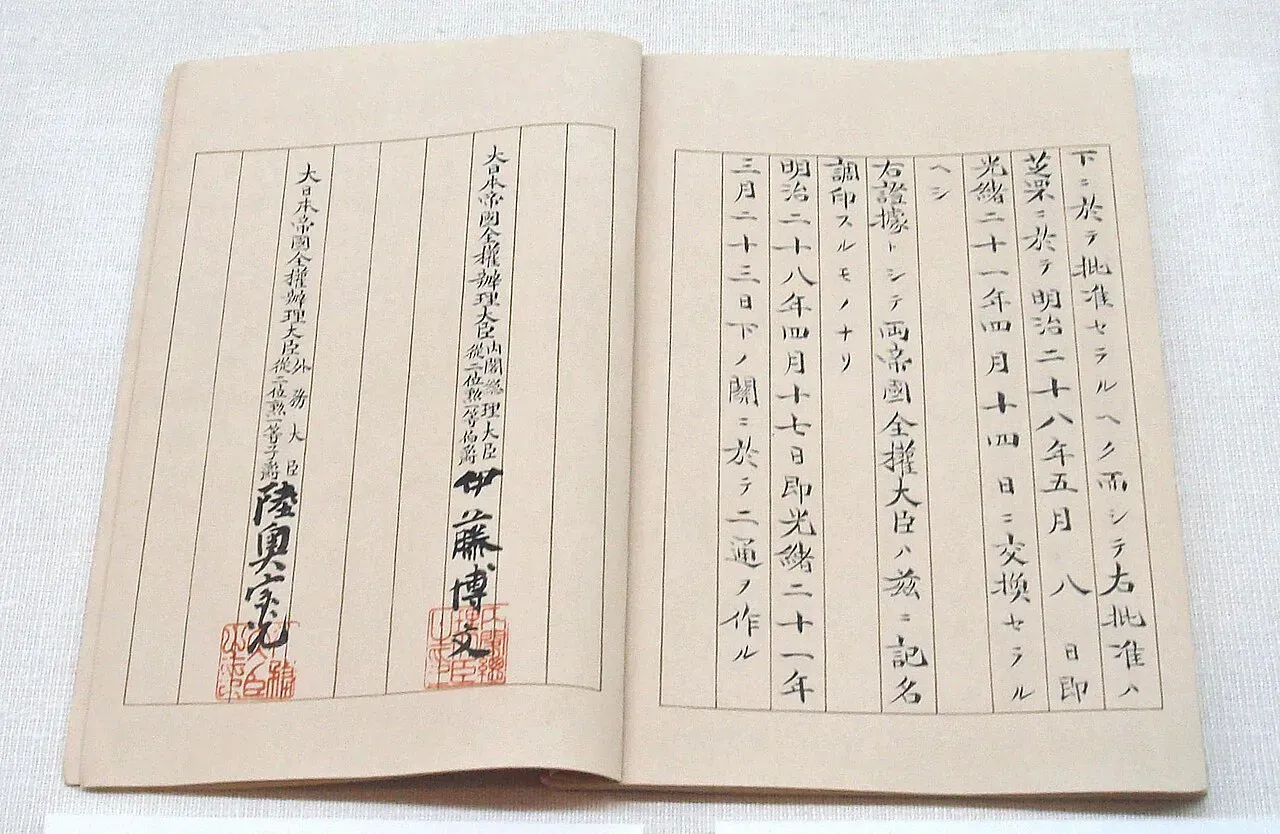
On 14 January 1784, Congress ratified the Treaty of Paris and the United States became legally real. Britain's terms were so generous that the French foreign minister called it buying peace rather than making it. That generosity launched the world's next superpower.
On 13th January 532, chariot fans burned half of Constantinople and nearly toppled the Byzantine emperor Justinian. He survived because his wife refused to run. The Hagia Sophia we visit today was built on those ashes.
On 12 January 1903, Igor Kurchatov was born in the Urals. Forty-six years later, under his direction, the Soviet Union detonated its first atomic bomb and ended America's nuclear monopoly four years after Hiroshima.