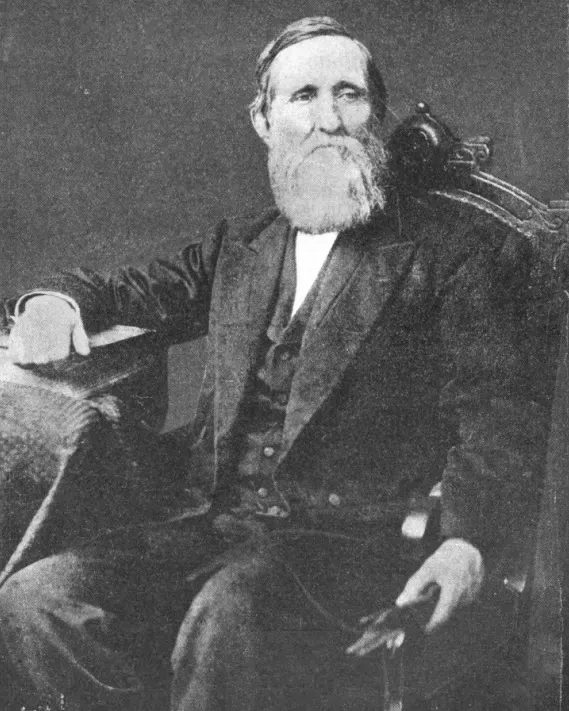
The Man Who Killed the Scream
On 30 March 1842, a country doctor in Jefferson, Georgia, soaked a towel in sulphuric ether and held it under a young man's nose. James Venable felt nothing. Crawford Long had just changed surgery forever.
252 posts tagged with this keyword.
On 30 March 1842, a country doctor in Jefferson, Georgia, soaked a towel in sulphuric ether and held it under a young man's nose. James Venable felt nothing. Crawford Long had just changed surgery forever.
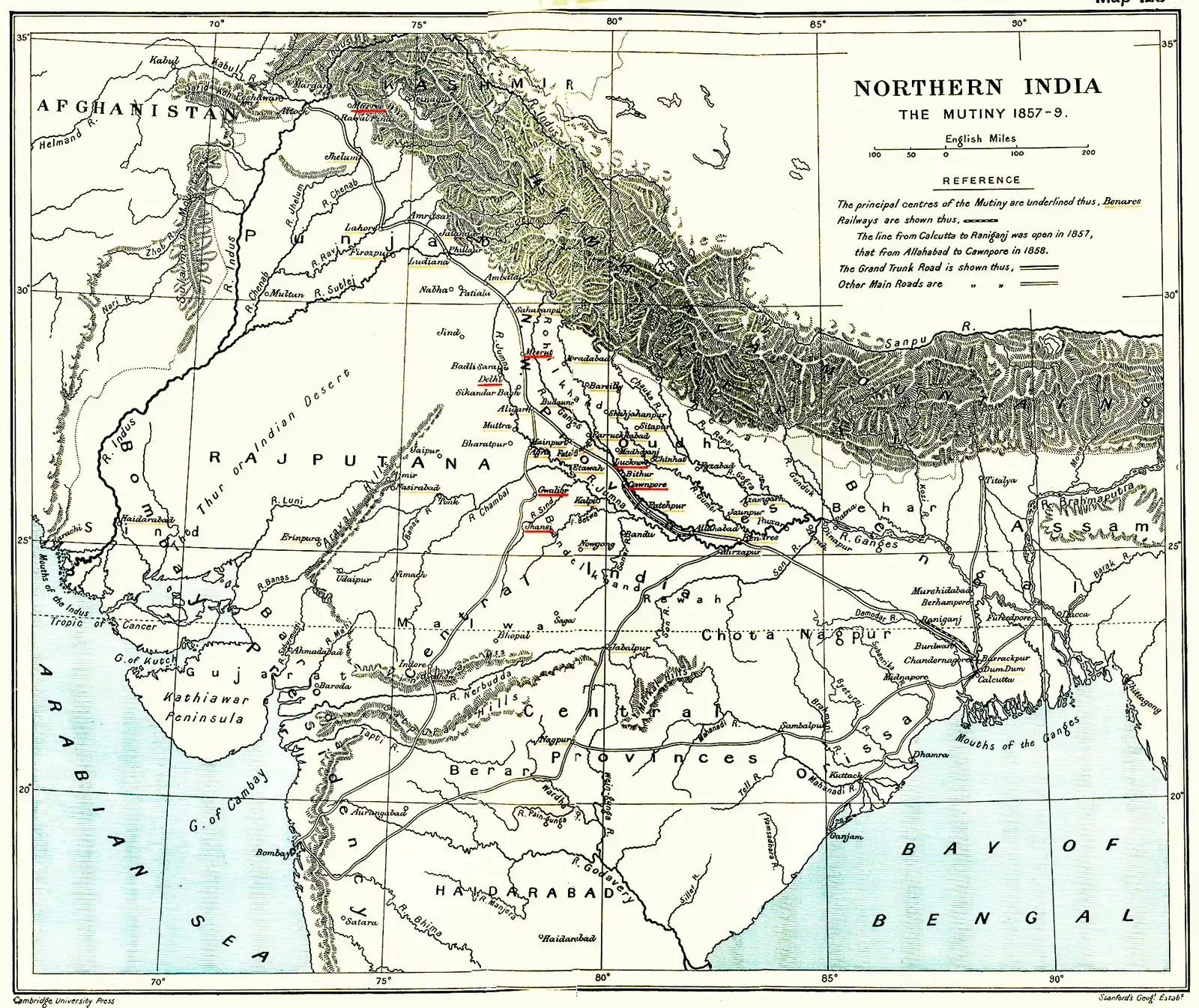
On 29 March 1857, Sepoy Mangal Pandey shot at his officers at Barrackpore and started no rebellion. Six weeks later India was on fire. The uprising that followed ended the East India Company — and handed the subcontinent to the Crown for ninety more years.

On 28 March 1939, Madrid fell to Franco's forces after a siege that had lasted nearly two and a half years. The war ended days later. The reprisals lasted much longer.
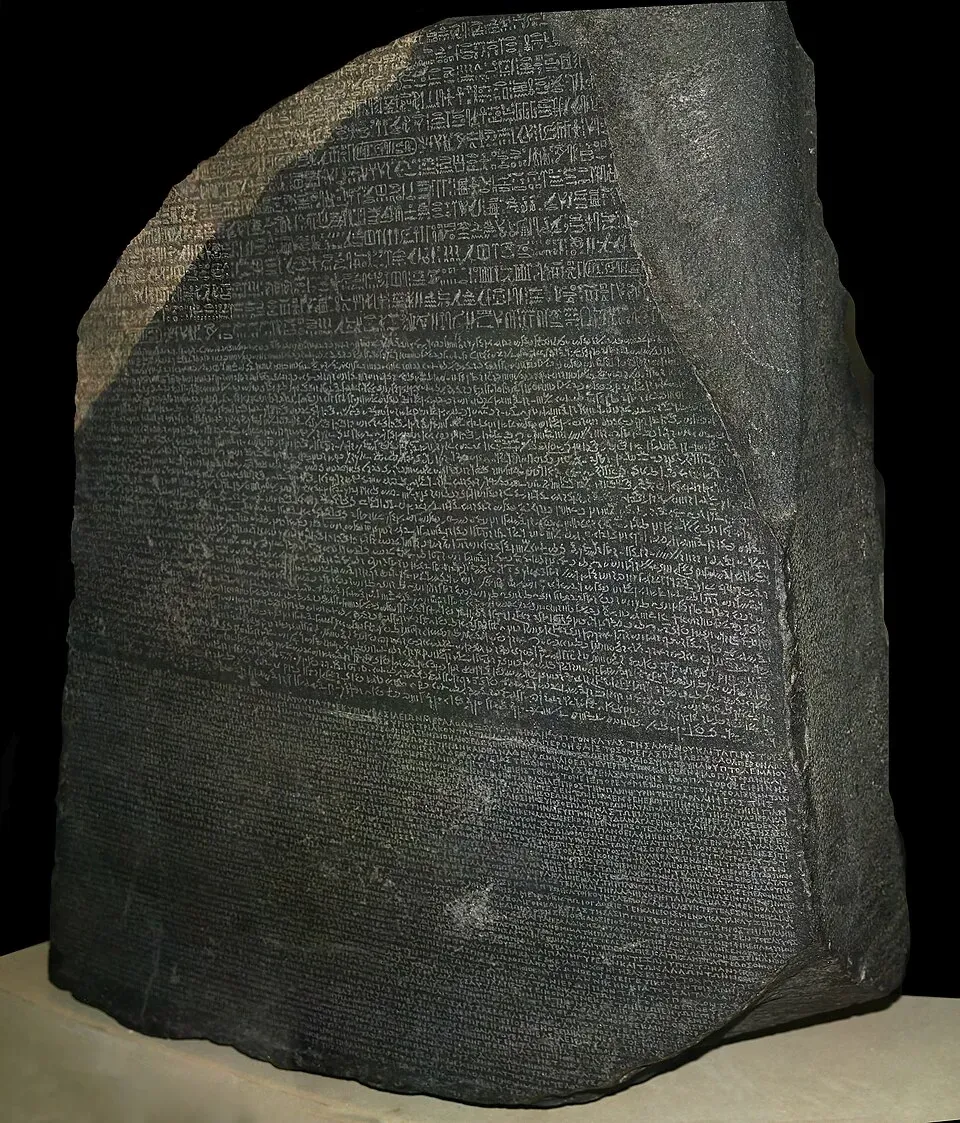
On 27 March 196 BC, a council of priests in Memphis issued a decree for a child king who needed their support. They wrote it in three scripts as a practical measure. Two thousand years later, that afterthought unlocked Egyptian civilisation.
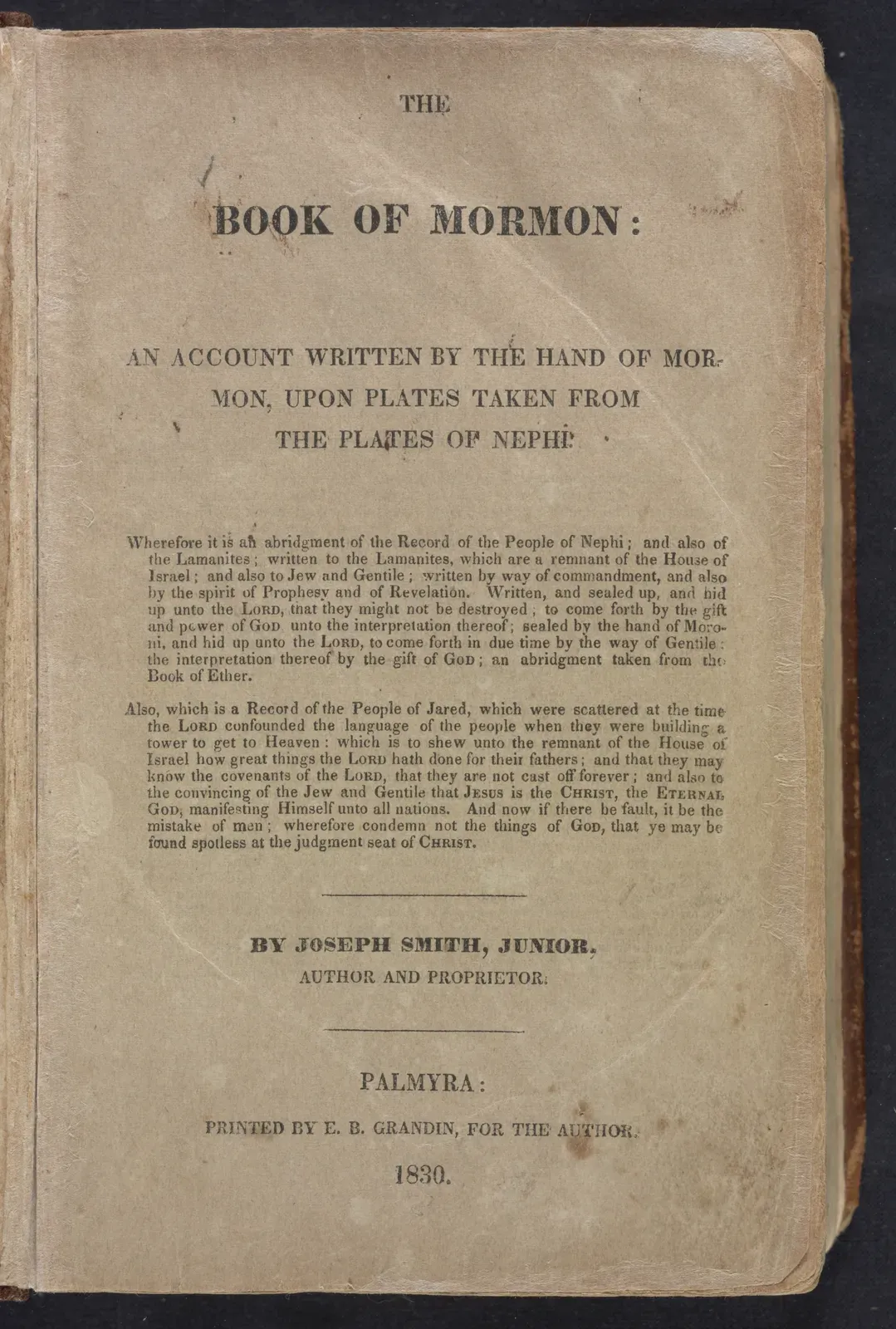
On 26 March 1830, a bookshop in Palmyra, New York, put 5,000 copies of the Book of Mormon on sale. The religion it spawned has 17 million members. The text's historical claims have not fared as well.
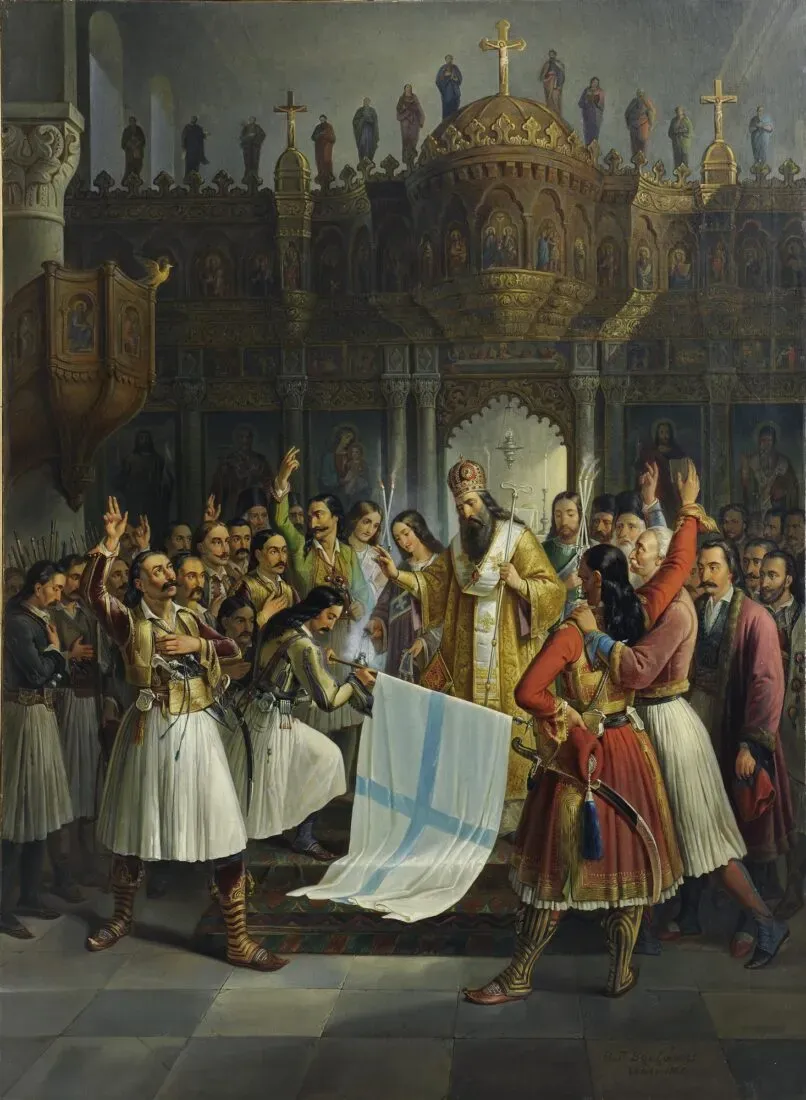
On 25th March 1821, Bishop Germanos of Patras is said to have raised the flag of revolution at the Monastery of Agia Lavra. The revolt had already started. The date was chosen deliberately, and that was exactly the point.
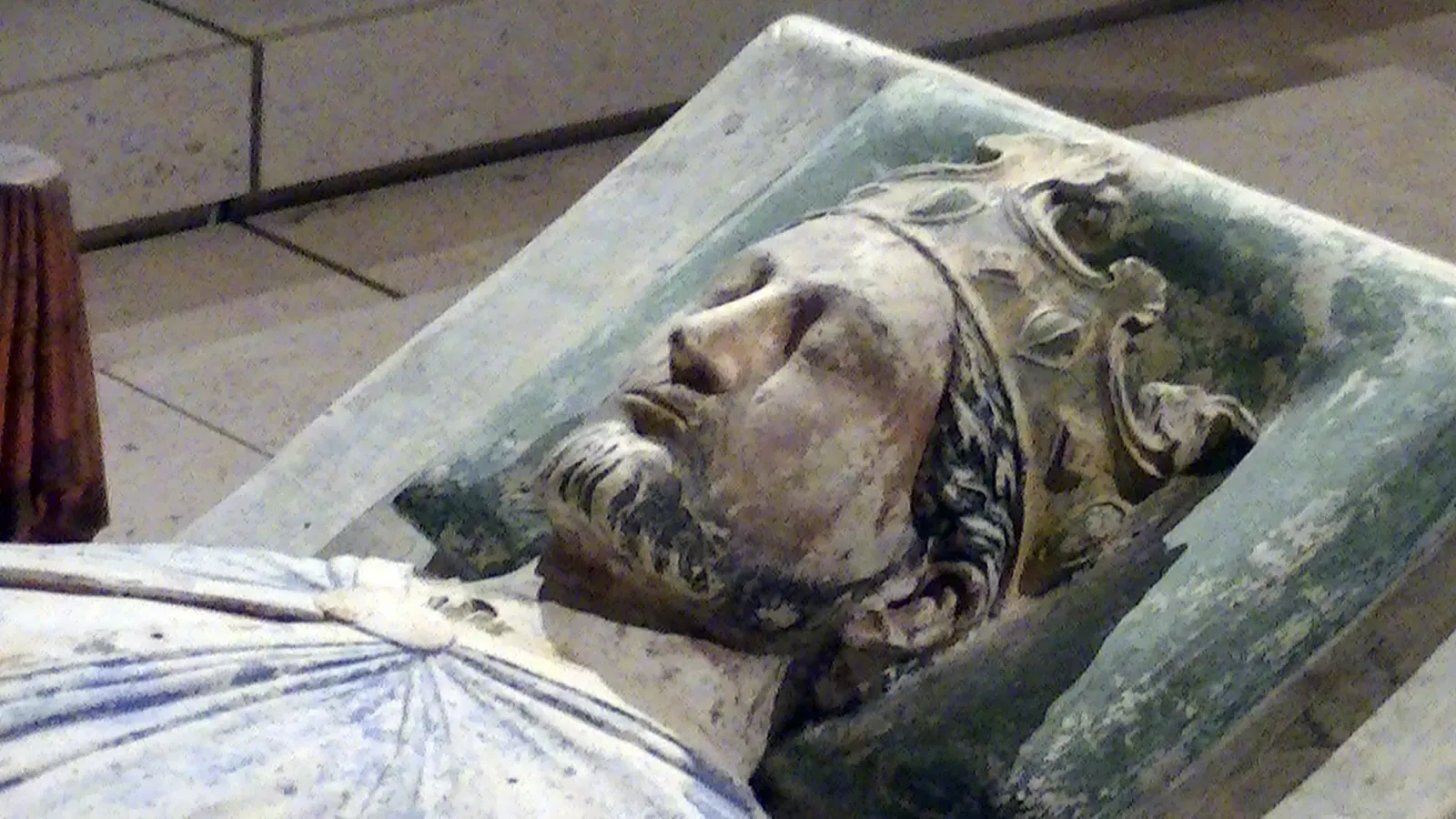
On 24 March 1199, Richard the Lionheart was struck by a crossbow bolt at Châlus-Chabrol, a minor siege that may have started over buried Roman gold. He forgave the archer. His men didn't. He died eleven days later.

On 23 March 1540, Waltham Abbey surrendered to Henry VIII's commissioners - the last of England's nearly 900 monasteries to fall. Five years of institutional seizure, centuries of religious life, ended with a signature and a pension.
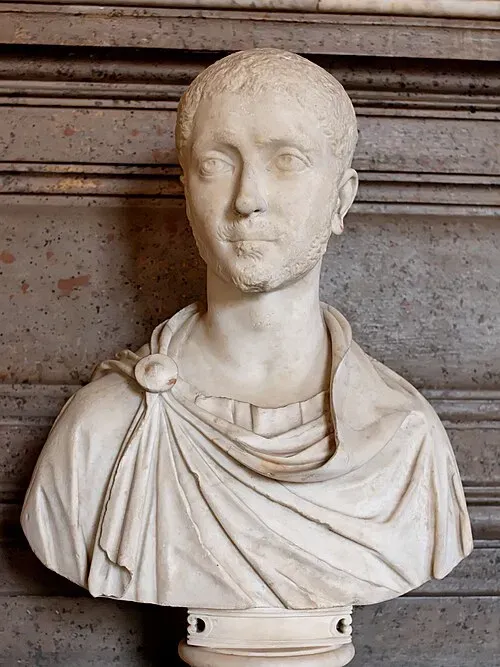
On 22 March 235, Severus Alexander was murdered by his own troops near Mainz. His death ended dynastic succession as Rome's default and opened the Crisis of the Third Century—barracks emperors, civil war, and a century of fracture.
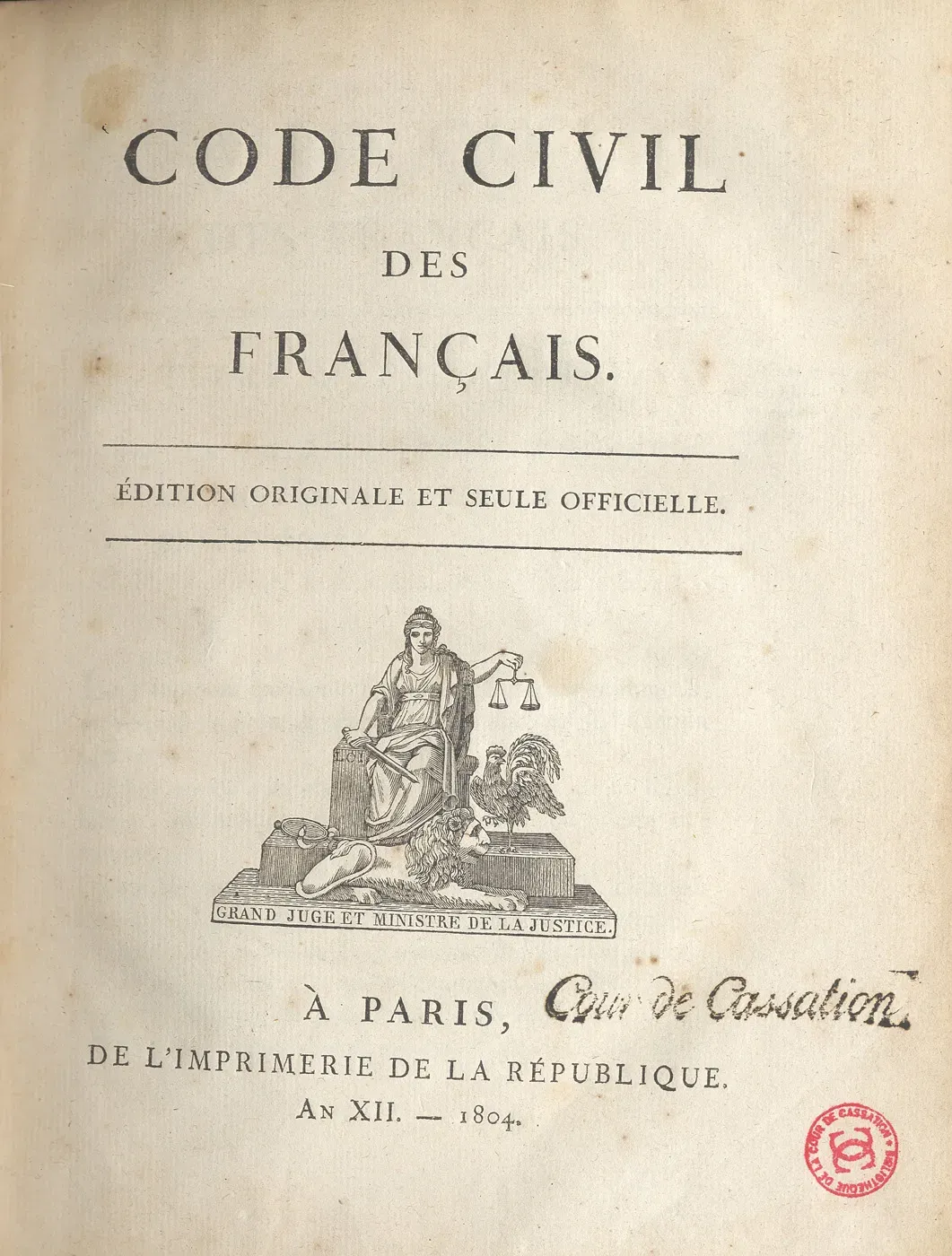
On 21 March 1804, Napoleon signed the Code civil des Français into law. His empire lasted eleven years. The Code is still in force.