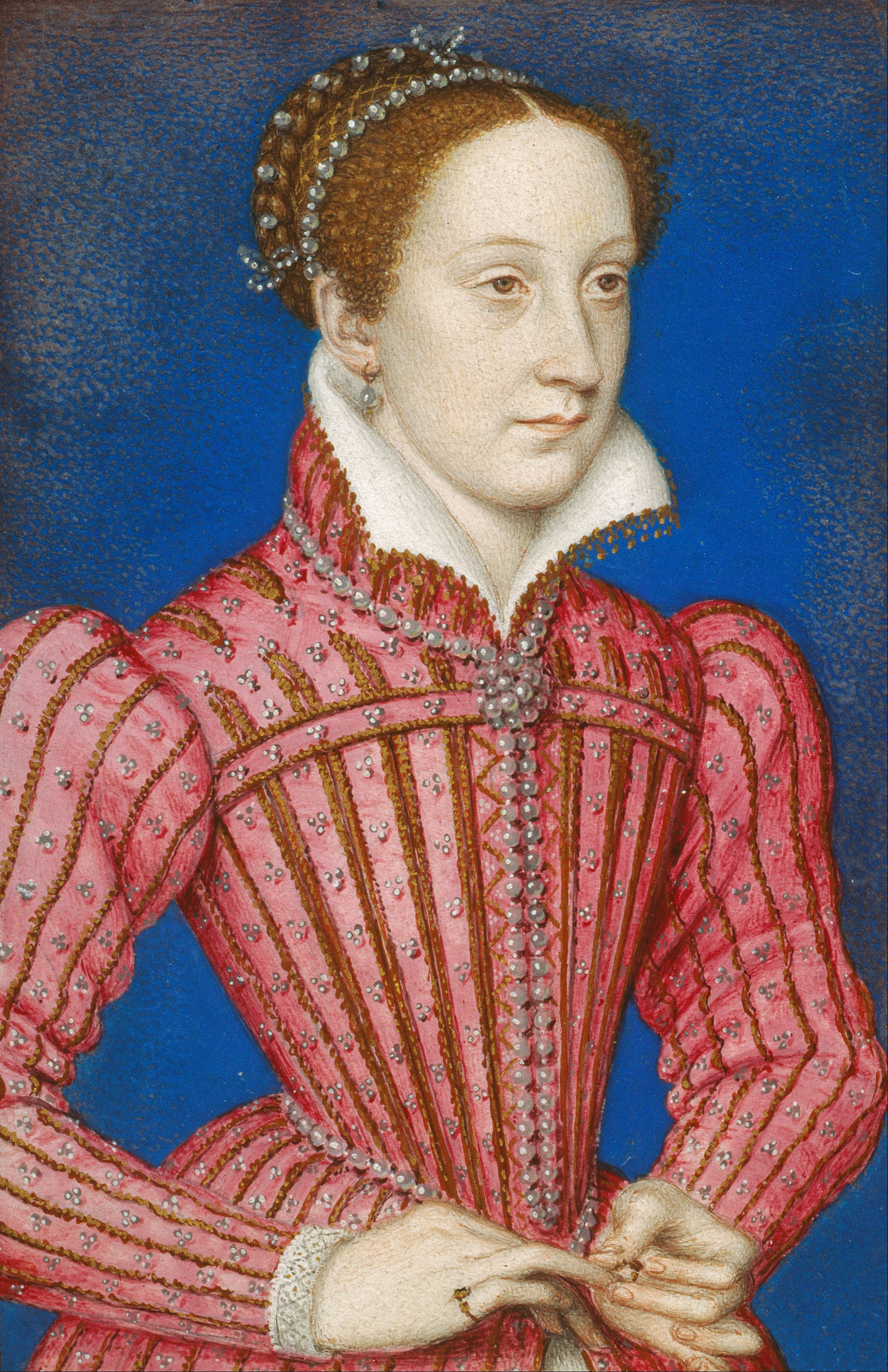
On 8 February 1587, Mary, Queen of Scots walked into the Great Hall at Fotheringhay Castle and knelt at the block. By then she had spent nearly nineteen years in English custody, moved from house to house under guard while Europe treated her as both a queen and a weapon. She was forty-four, still dangerous, and no longer useful alive. The official charge was treason tied to the Babington Plot - the conspiracy to kill Elizabeth I and place Mary on the English throne. The verdict had already been written in the politics of the previous two decades.
Mary’s tragedy is that she was born into too many crowns and not enough room for compromise. As a child she was sent to France, betrothed to the Dauphin Francis, then married him in 1558 at Notre Dame. When he became Francis II in 1559, Mary was briefly Queen of France as well as Scotland - until his death in 1560 sent her back into the British dynastic grinder. To Catholics in England and on the Continent, she was the cleaner dynastic claim, the anointed alternative to Elizabeth. To Elizabeth’s ministers, especially Cecil and Walsingham, that made her a permanent national-security problem. The spy network around her was not merely defensive; it was an active machine designed to produce proof that she could be executed under the Bond and Act for the Queen’s Safety. Letters were intercepted, decrypted, copied, and, in at least one infamous postscript, manipulated. By the time Mary faced trial at Fotheringhay in October 1586, the process had the shape of law and the smell of entrapment.
None of that makes Mary innocent in any modern liberal sense. She corresponded with men who wanted Elizabeth dead and foreign armies in England. She had every reason to do so: she had been confined for almost half her life, denied real agency, and offered no route back to power that did not run through conspiracy. But the trial was stacked against her from the first minute. She had no legal counsel, no proper access to evidence, and no realistic chance to test translated ciphers produced by the same intelligence apparatus prosecuting her. England called it justice. It was also regime survival.
Elizabeth hesitated, then signed the death warrant on 1 February 1587. The Privy Council moved fast, likely faster than Elizabeth wanted publicly acknowledged, and on 7 February Mary was told she would die the next morning. At the scaffold she performed monarchy to the end: formal forgiveness for the executioner, prayers in Latin, dignity in posture. The execution itself was brutal - two blows, then a final cut through sinew - and instantly theatrical. When the executioner raised her head and cried “God save the Queen,” everyone in that hall knew which queen he meant and which one had just been erased.
I think Mary is best understood as a sad figure not because she was blameless, but because she was trapped in a political structure that converted bloodline into a death sentence. Elizabeth could not safely let her live. Mary could not safely stop being Mary. The state solved that contradiction with an axe, then pretended to be shocked by the blood on its hands. Four centuries later, the force of the episode is still the same: when power calls something legal, it is often describing procedure, not mercy.
Image source: Wikipedia - Mary, Queen of Scots