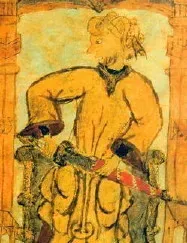
The First Imam
On 26 January 661, Ali ibn Abi Talib was struck down during morning prayer by a former follower who couldn't forgive him for agreeing to negotiate. He was the last Rashidun caliph and the first Shia imam. His death split Islam in two.
Blogs, essays, updates, and occasional notes that sit alongside The Butterfly Effect.
On 26 January 661, Ali ibn Abi Talib was struck down during morning prayer by a former follower who couldn't forgive him for agreeing to negotiate. He was the last Rashidun caliph and the first Shia imam. His death split Islam in two.
On 25 January 750, the Abbasid rebels crushed the Umayyad Caliphate at the Battle of the Zab and then killed almost every member of the ruling dynasty. Almost. One prince swam a river and didn't look back — and built medieval Spain.
On 24 January AD 41, the Praetorian Guard assassinated Caligula and proclaimed Claudius emperor. Rome expected a joke. It got thirteen years of competent government instead.
On 23 January 1368, Zhu Yuanzhang proclaimed himself the Hongwu Emperor and founded the Ming dynasty. He had been born to a destitute peasant family, orphaned by plague, and spent his teens wandering as a mendicant monk. He ended a century of Mongol rule over China.
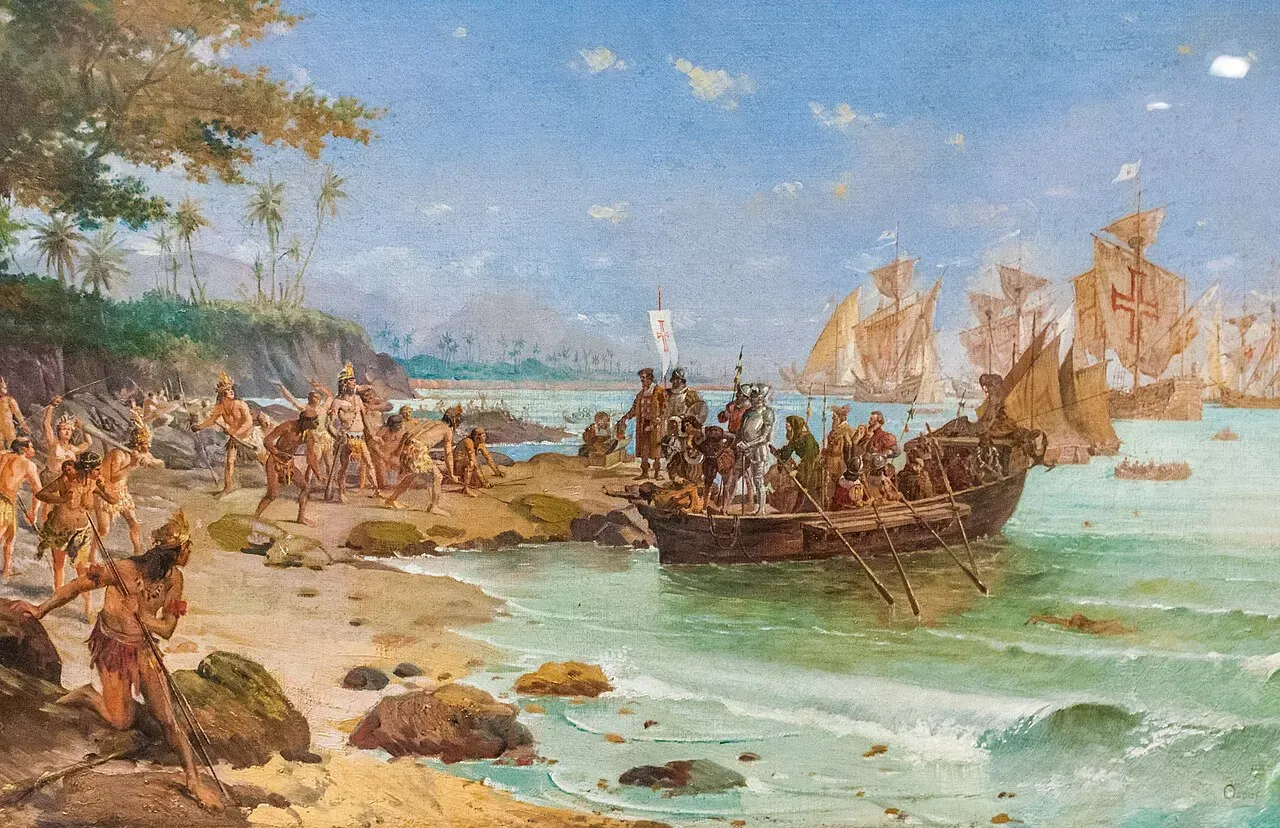
On 22 January 1808, the Portuguese royal court arrived in Brazil after fleeing Napoleon. The colony became the empire's capital, Britain got the trade access it had always wanted, and Portugal spent a decade governing itself from the wrong continent.
On 21 January 1793, Louis XVI was executed at the Place de la Révolution. The vote for his death passed by 361 to 319 - a margin of forty-two deputies. What followed made the king look like the easy part.
On 20 January 1401, Barcelona's city council opened the Taula de canvi in the Llotja de Mar - a public bank that guaranteed deposits with tax revenue, cleared payments by ledger, and showed what happens when a state treats its own credit as infrastructure.
On 19 January 1629, Shah Abbas I died after forty-one years on the Safavid throne. He rebuilt a collapsing state into a military and commercial power, then crippled its future by destroying his own line of succession.
On 18 January 1871, the German Empire was proclaimed in the Hall of Mirrors at Versailles. On 18 January 1919, the Paris Peace Conference opened in the same city. Between those two dates lived the full arc of German power — born in a defeated enemy's palace, ended in the same city by men determined to make sure it never happened again.
On 17 January 395, Theodosius I died in Milan - the last man ever to govern a united Roman Empire. He left it to two sons, aged seventeen and ten. They never put it back together.