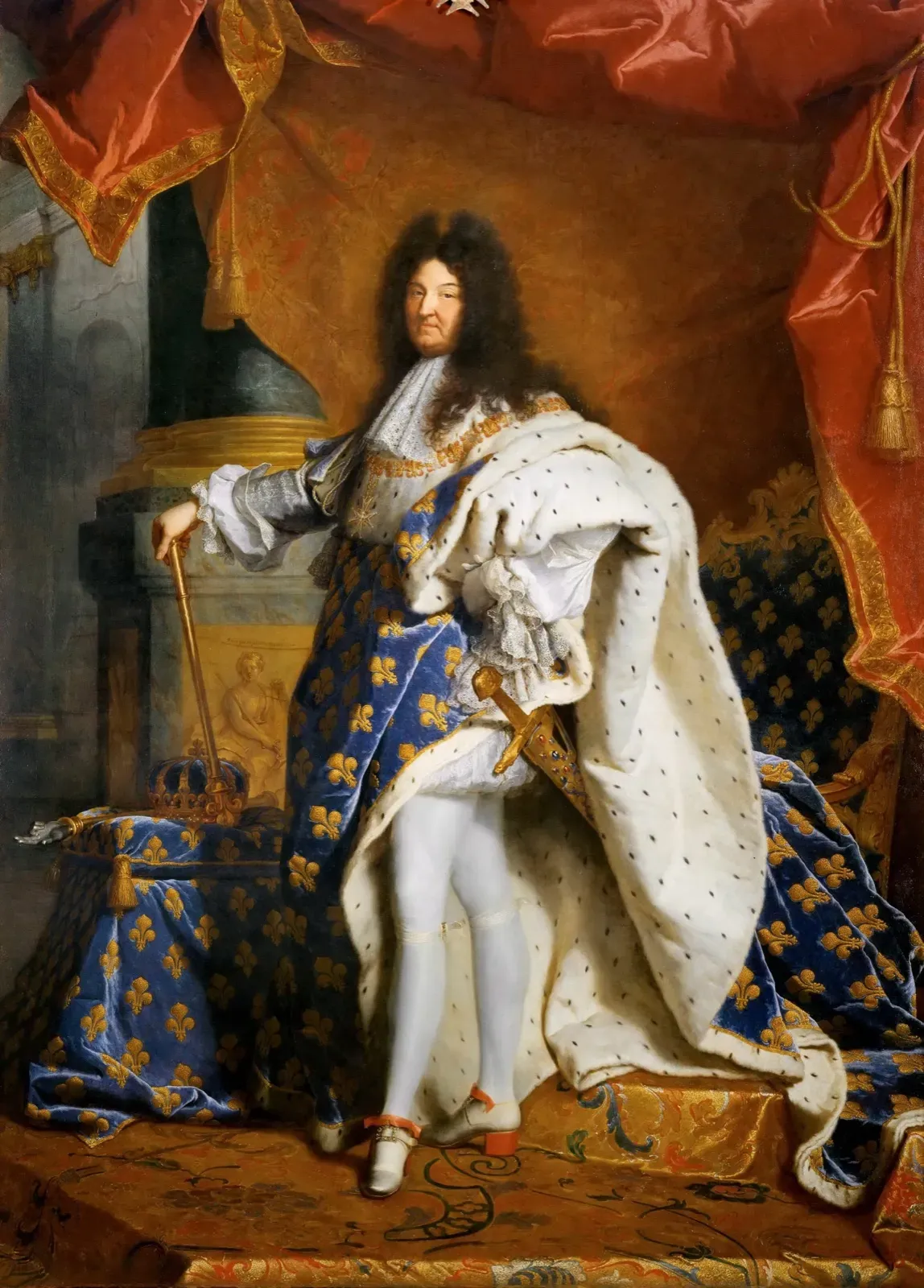
The Most Beautiful Cage in Europe
On 6 May 1682, Louis XIV moved the French court permanently to Versailles. The palace was not a vanity project. It was the most sophisticated political trap ever built.
Posts, updates, and occasional notes that sit alongside The Butterfly Effect.
On 6 May 1682, Louis XIV moved the French court permanently to Versailles. The palace was not a vanity project. It was the most sophisticated political trap ever built.
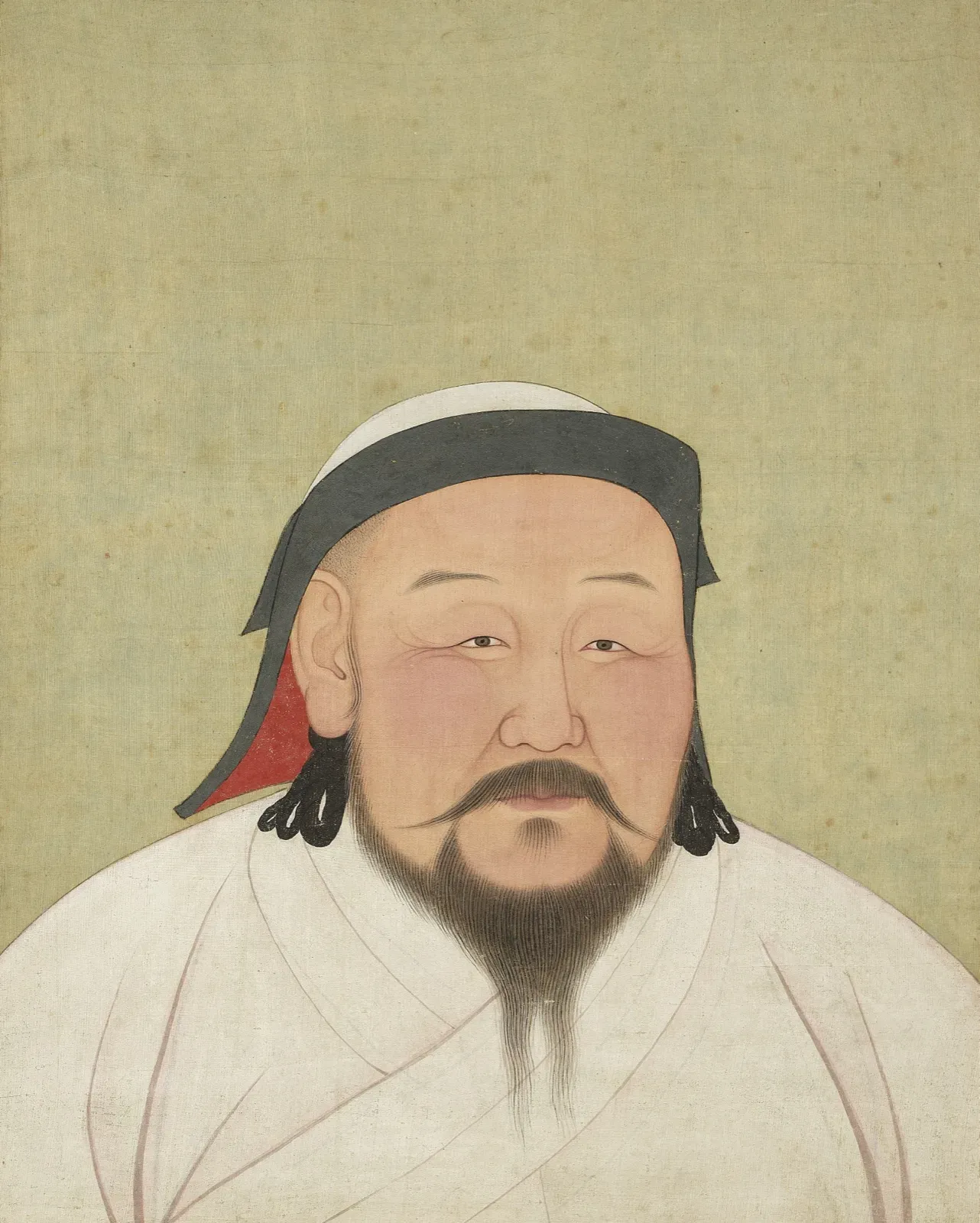
On 5 May 1260, Kublai Khan was proclaimed Great Khan at Shangdu - the place Coleridge would later imagine as Xanadu. He went on to conquer all of China, found the Yuan dynasty, and invent fiat money. He also started the process that ended his grandfather's empire.
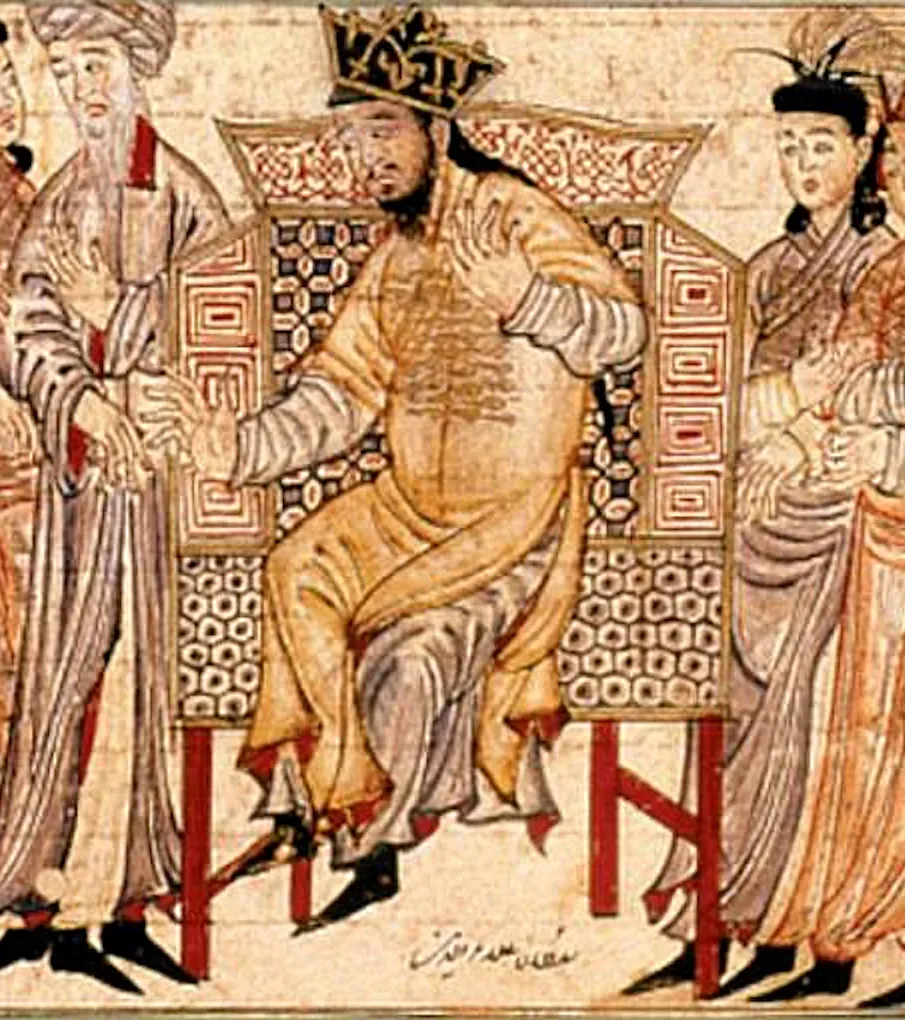
Alauddin Khalji's market reforms weren't about welfare—they were about power. A look at the ruthless economics that kept an empire armed and fed.
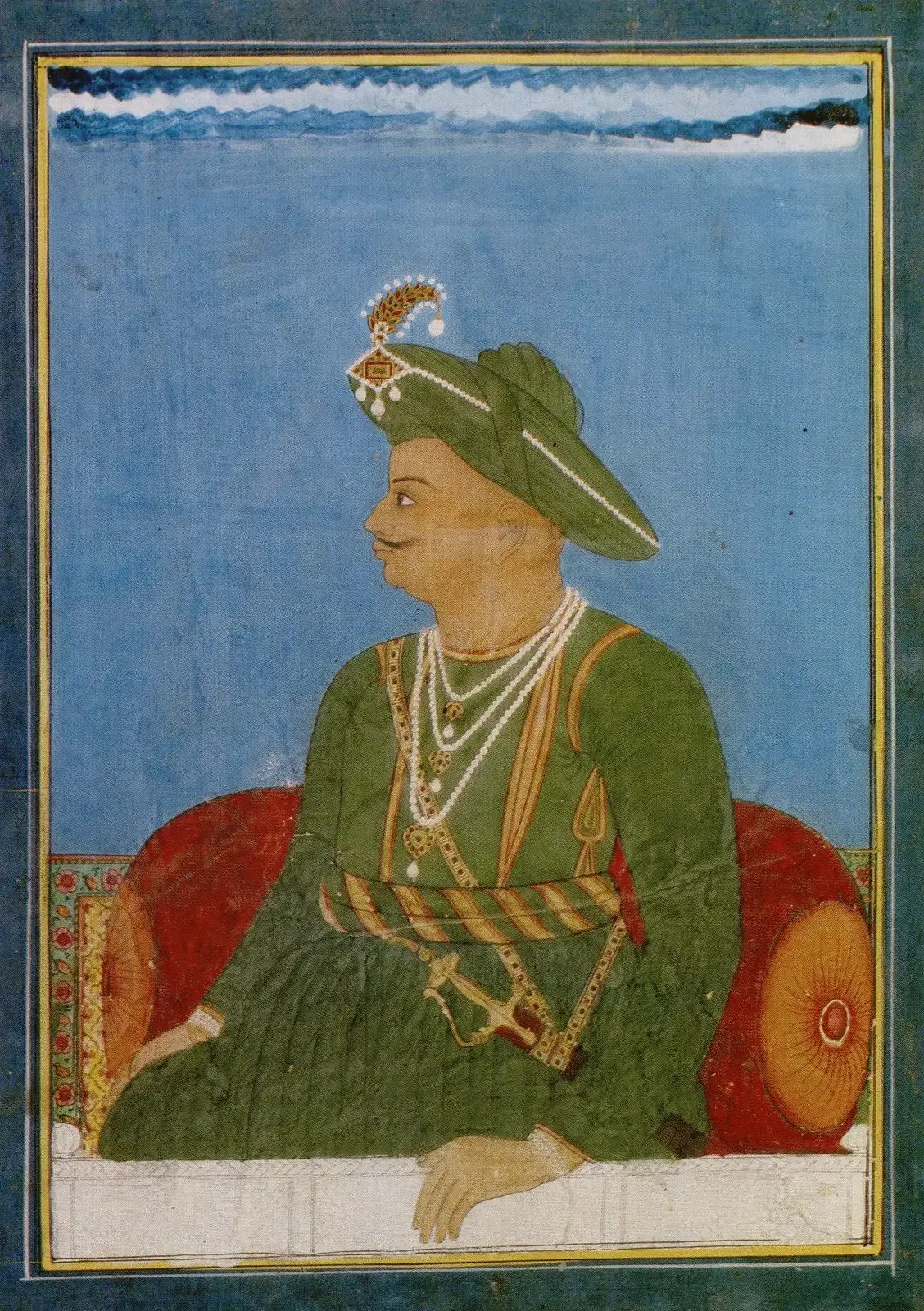
On 4 May 1799, British and allied forces stormed Seringapatam and killed Tipu Sultan, the Tiger of Mysore. General Harris stood over the body and said 'Now India is ours.' It was not the most important battle of the conquest - it was a typical one.
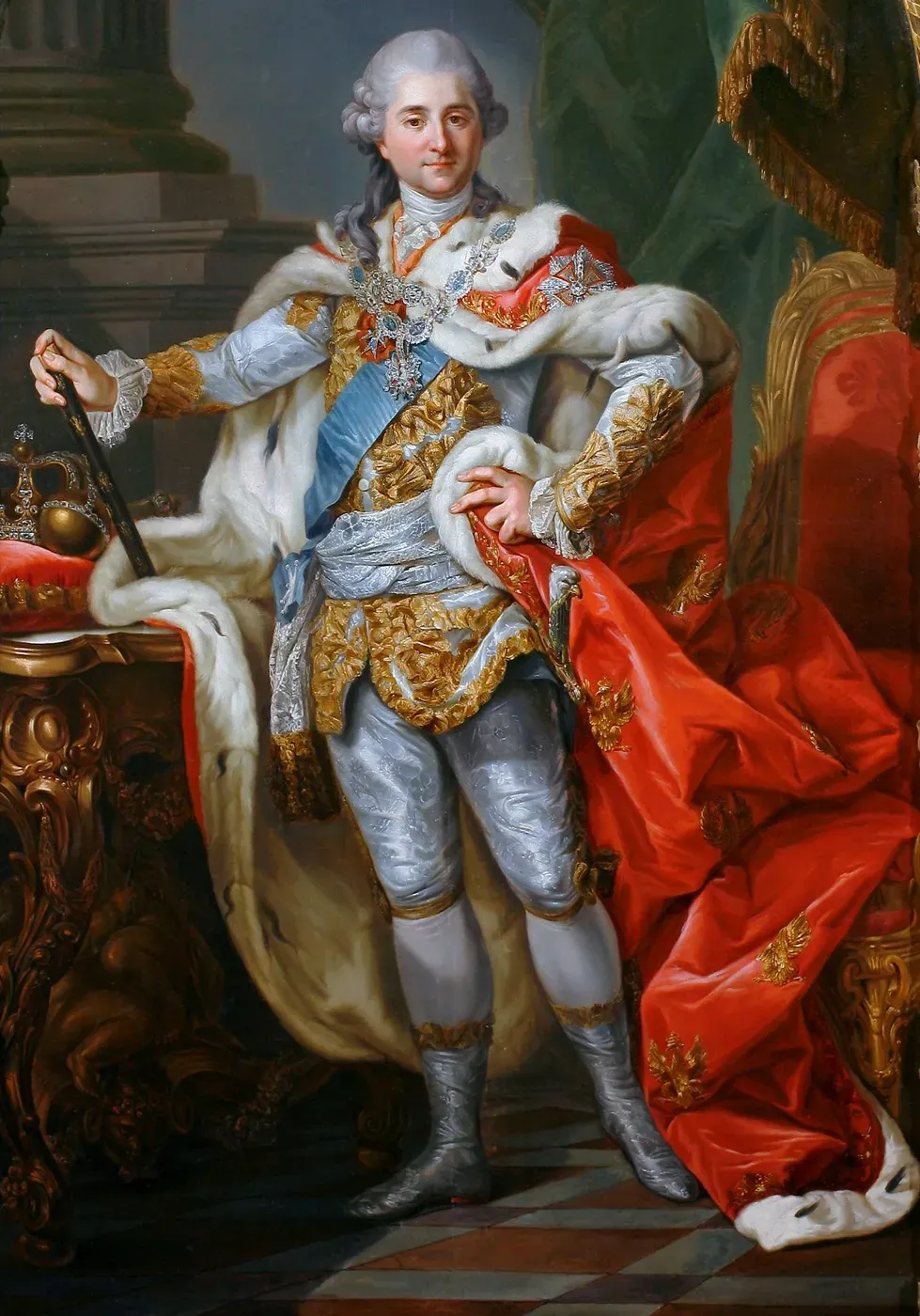
On 3 May 1791, the Sejm of the Polish-Lithuanian Commonwealth adopted Europe's first modern constitution. It abolished the parliamentary chaos that had paralysed Poland for over a century, declared that power derives from the will of the people, and established a functioning constitutional monarchy. Russia invaded within a year.
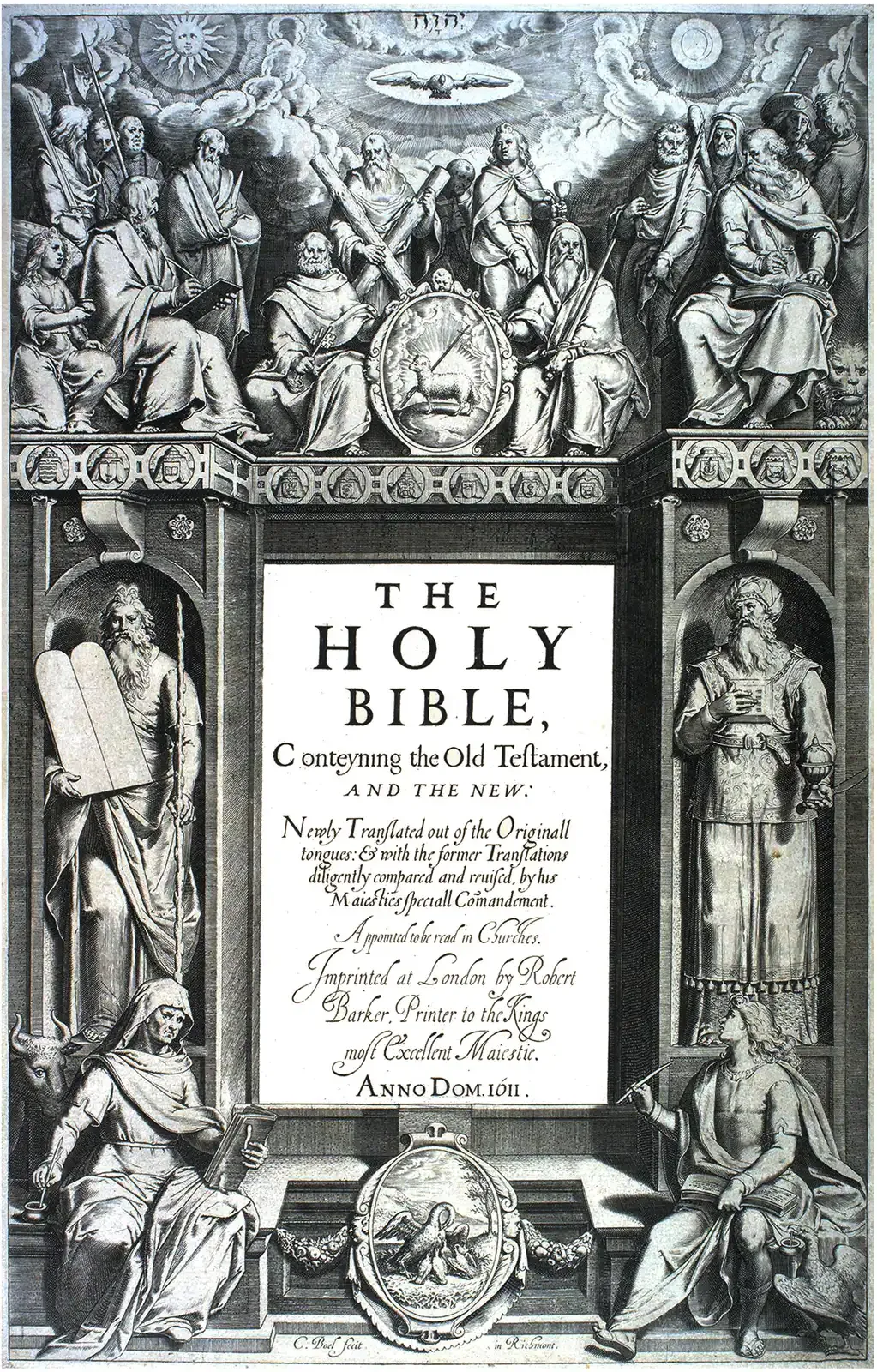
On 2 May 1611, Robert Barker printed the King James Bible - commissioned by James I to replace the subversive Geneva Bible with a clean, crown-endorsed text. He got what he asked for. The Puritans took it to New England.
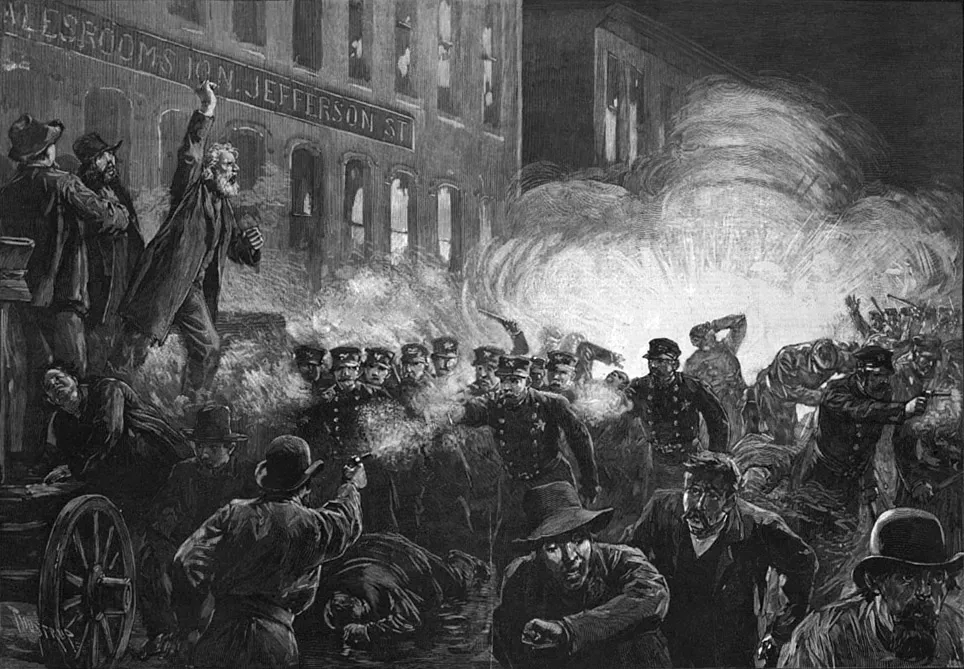
On 1st May 1886, up to half a million American workers went on strike demanding an eight-hour day. Three days later, a bomb exploded at a rally in Chicago, and the United States gave the world International Workers' Day — then declined to observe it.
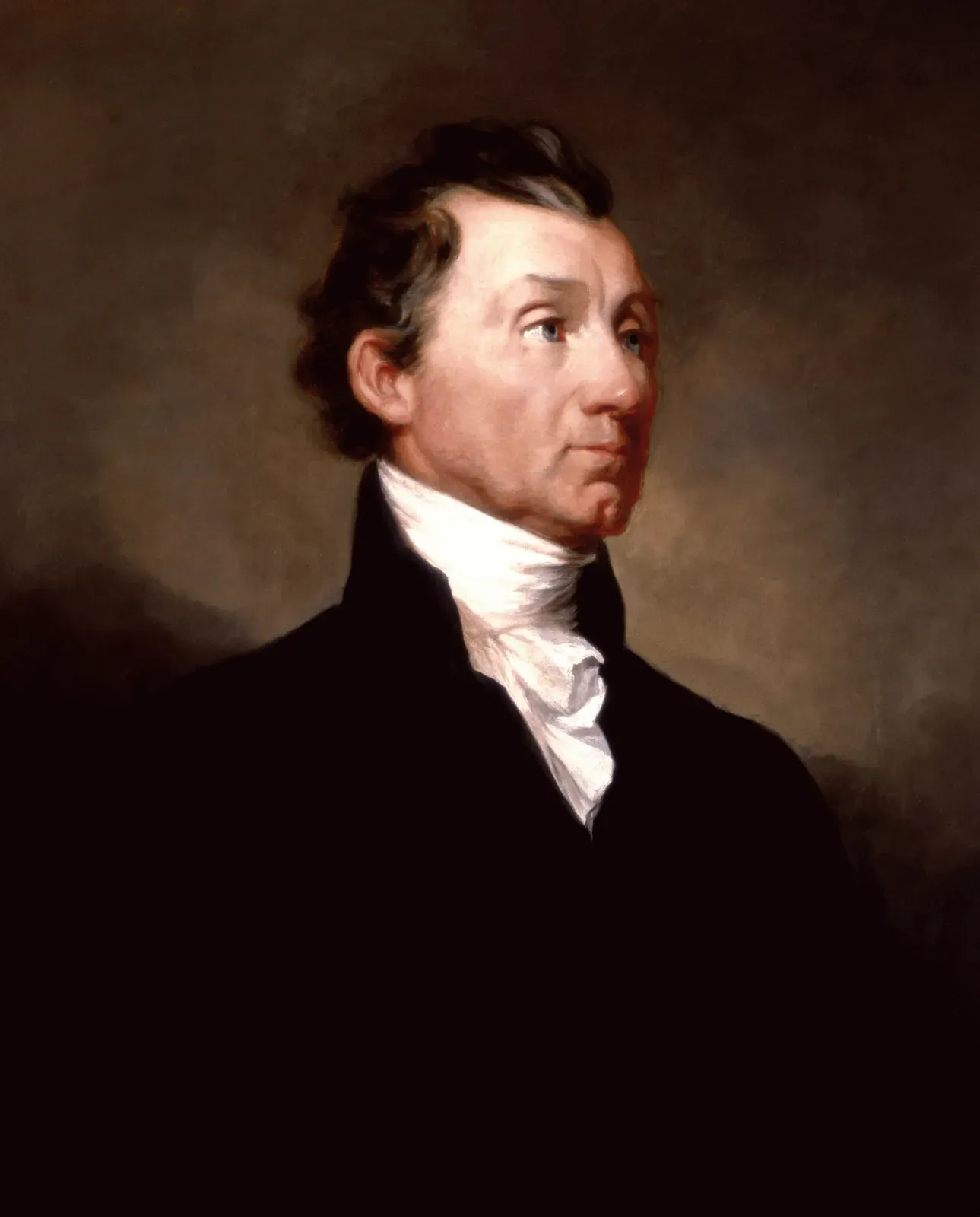
On 30 April 1803, the United States purchased 828,000 square miles from Napoleon for $15 million — about three cents an acre. Jefferson's envoys had gone to Paris to buy a city. They came back with a continent.
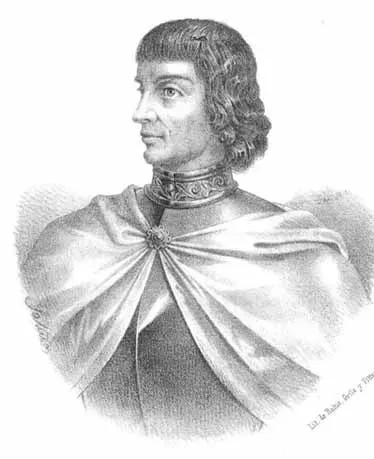
On 29th April 1483, the last Guanche resistance on Gran Canaria surrendered to the Kingdom of Castile. The conquest of the island was not just another colonial acquisition — it was the template. Every method applied to the Americas nine years later had already been tested here.
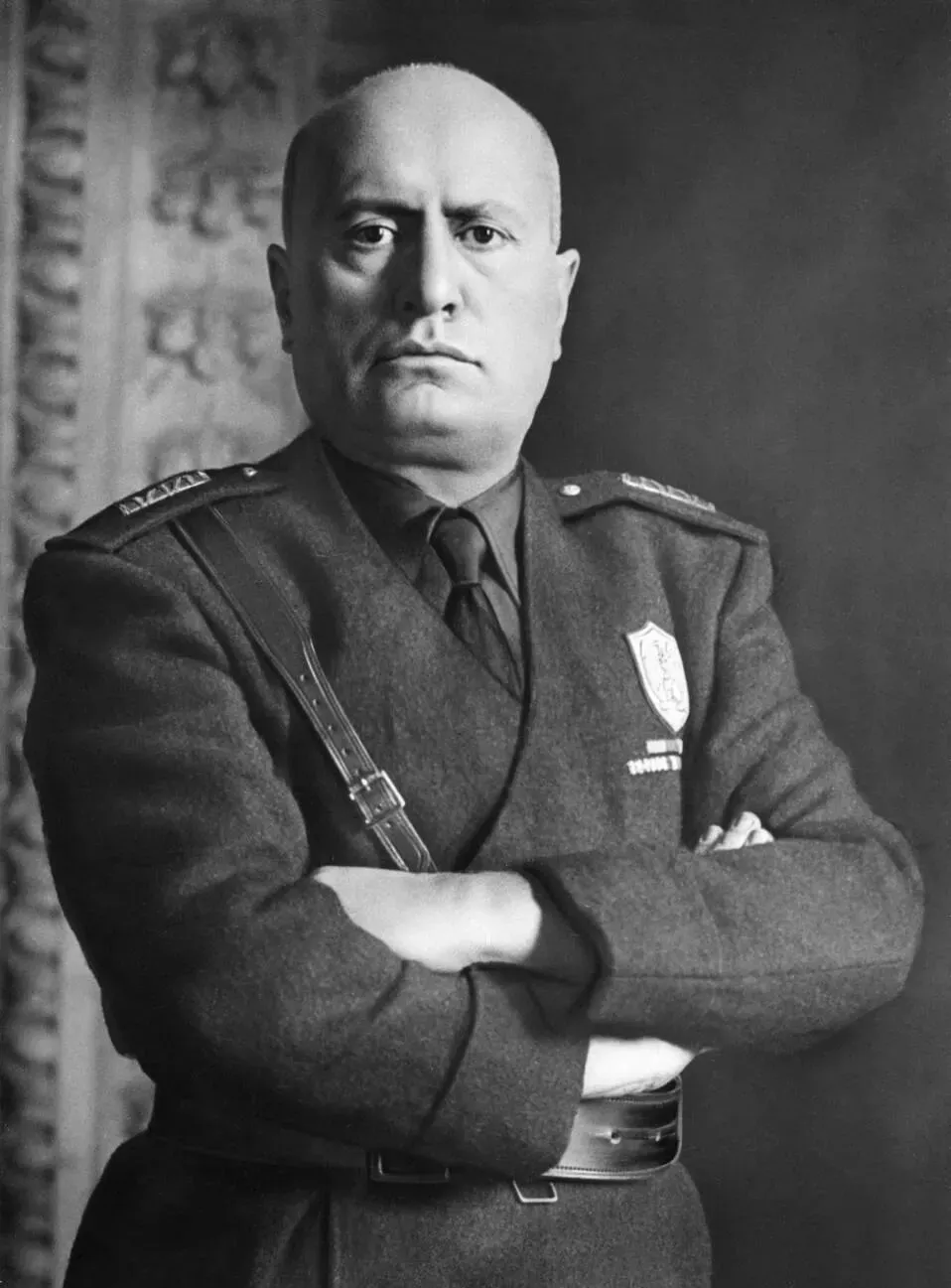
On 28 April 1945, Benito Mussolini was shot at a roadside near Lake Como and hung upside down from a petrol station in Milan. The man who invented fascism ended as a public spectacle in a piazza he had helped make notorious.