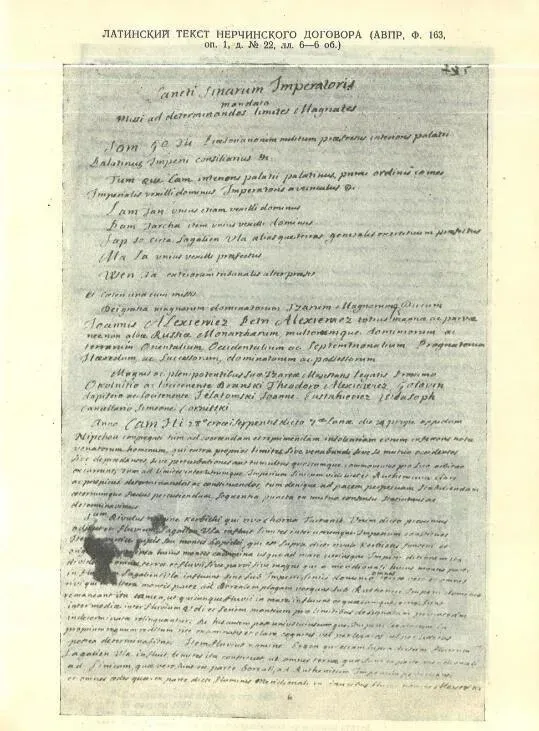
The Bargain on the Amur
On 27 August 1689, Russia and the Qing Empire signed the Treaty of Nerchinsk. Mediated by Jesuits in Latin, it carved up Siberia and established the foundational template for three centuries of Sino-Russian realpolitik.
7 posts tagged with this keyword.
On 27 August 1689, Russia and the Qing Empire signed the Treaty of Nerchinsk. Mediated by Jesuits in Latin, it carved up Siberia and established the foundational template for three centuries of Sino-Russian realpolitik.
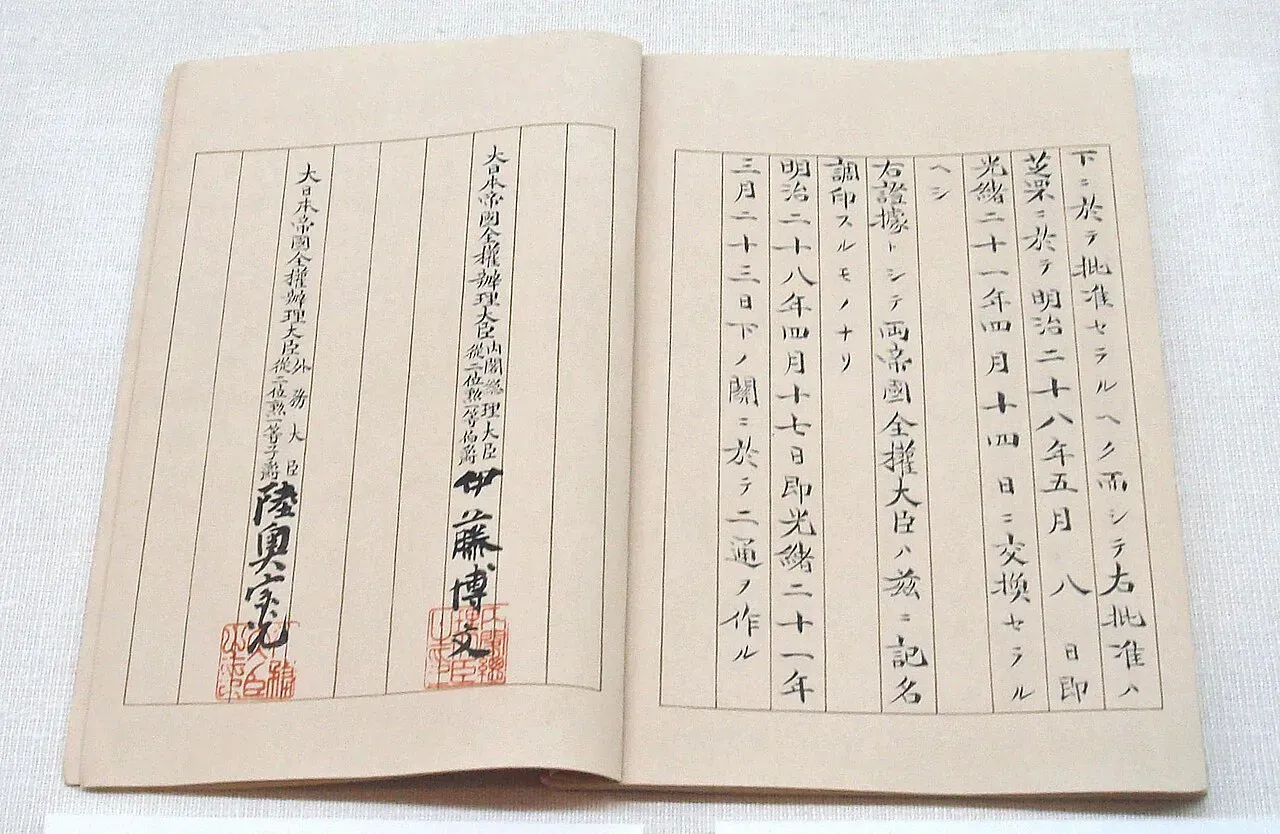
On 17 April 1895, China signed the Treaty of Shimonoseki and surrendered Korea, Taiwan, and 200 million taels of silver to Japan. Eight months of unbroken defeats confirmed what the Self-Strengthening Movement had spent thirty years denying: Japan had transformed itself. China had not.
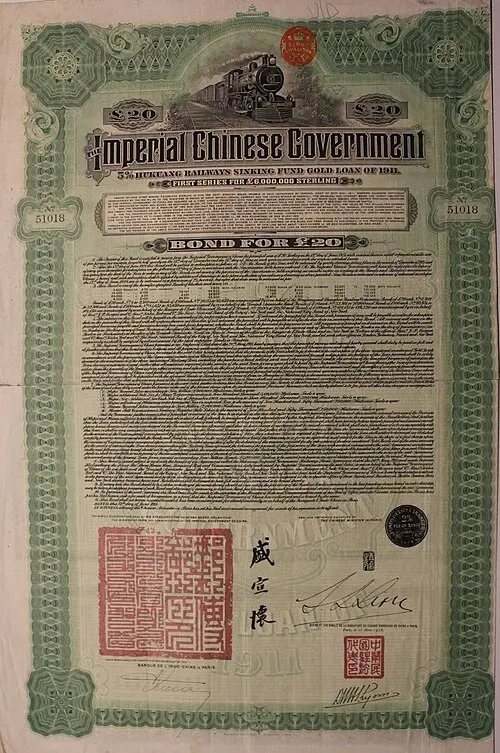
In 1911, a cartel of Western banks lent the dying Qing dynasty £6 million to nationalise China's railways and hand the proceeds to foreign creditors. The protests that followed toppled the empire. The bonds were still worthless in 1983.
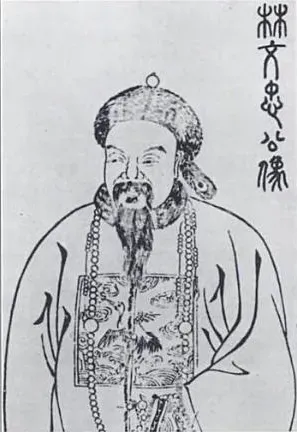
In 1836, a Qing official argued for legalising opium to save the empire. The emperor said no. Twenty-two years later, the empire was required by British treaty to permit it.
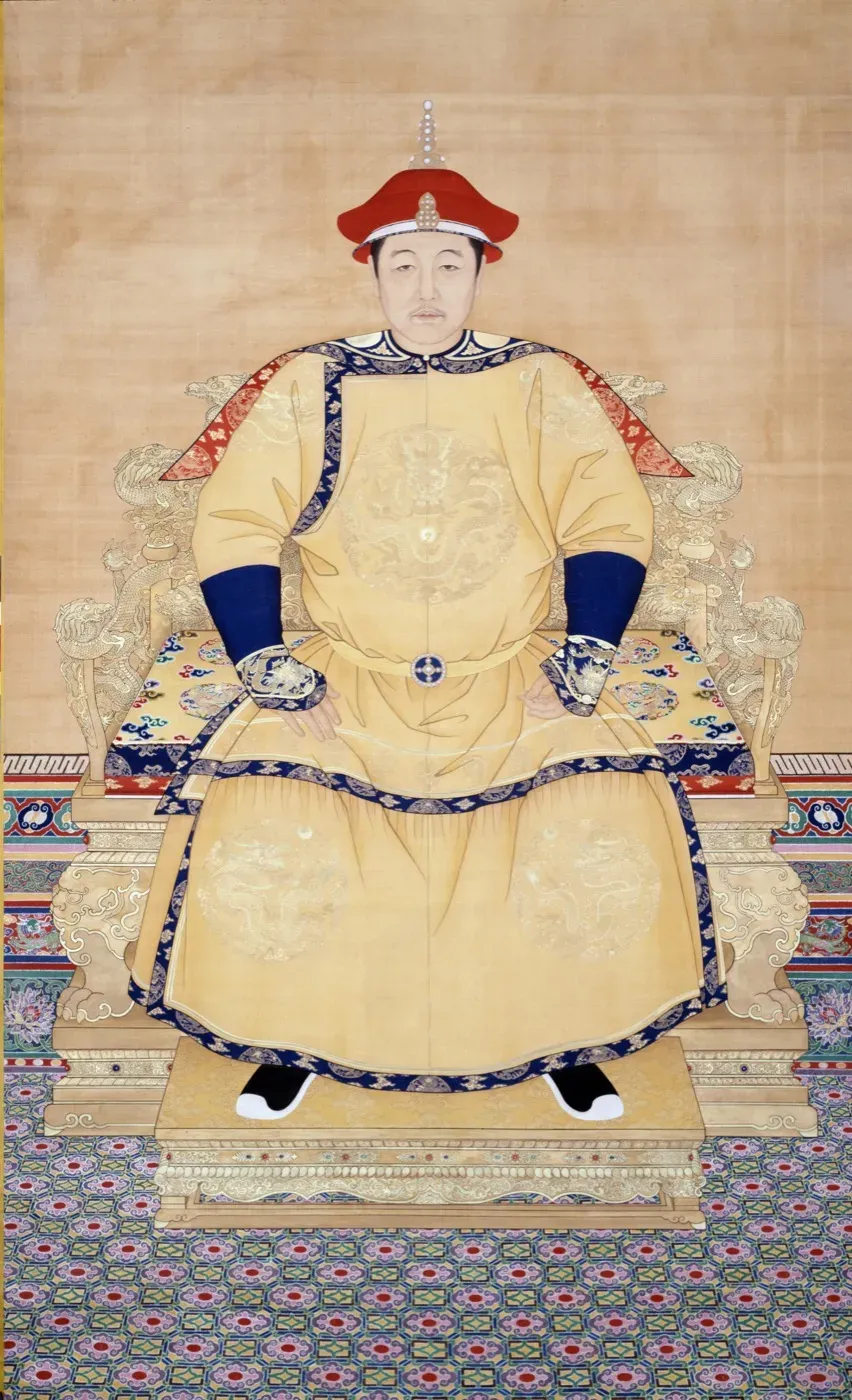
On 15 March 1638, Fulin was born — the ninth son of the Qing ruler Hong Taiji, and a child no one expected to matter. He was crowned emperor at five, began ruling at thirteen, died at twenty-two, and left behind a dynasty that lasted another 251 years.
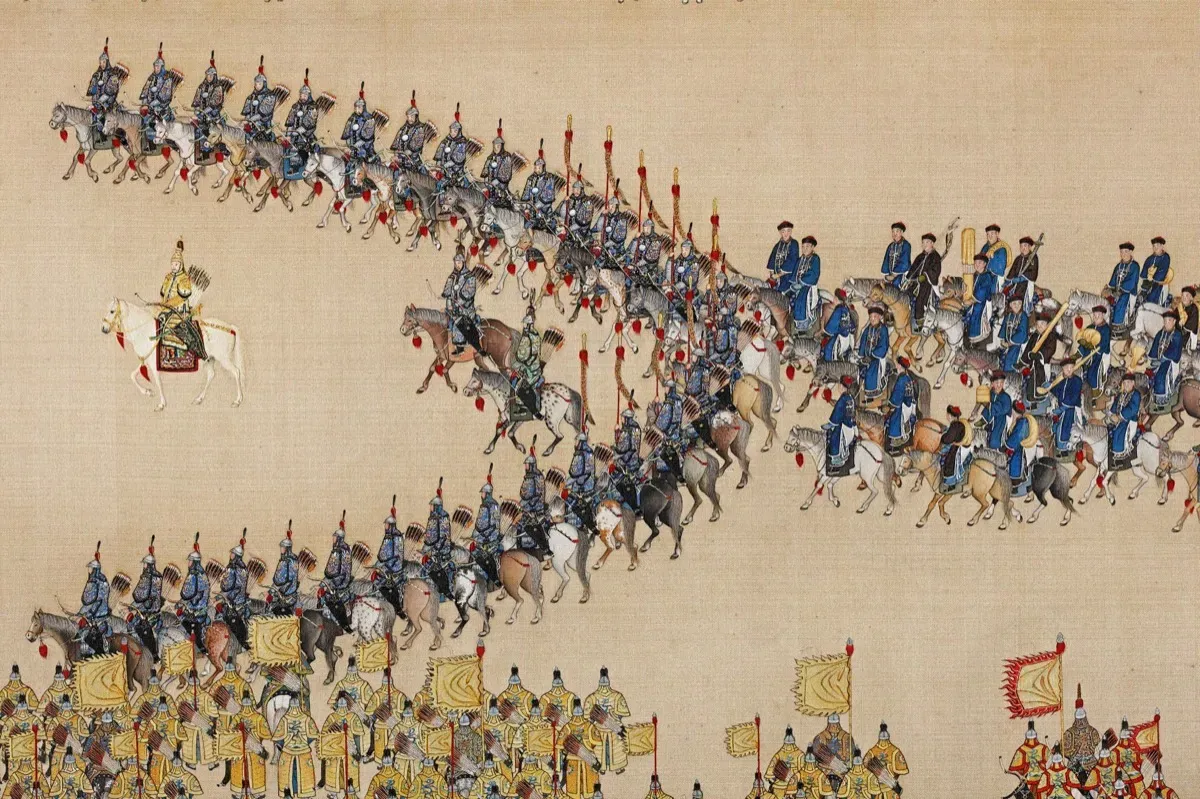
Four hundred and ten years ago today, a Jurchen chieftain proclaimed himself Khan. The dynasty his heirs built solved an ancient problem — and created the conditions for a modern catastrophe.
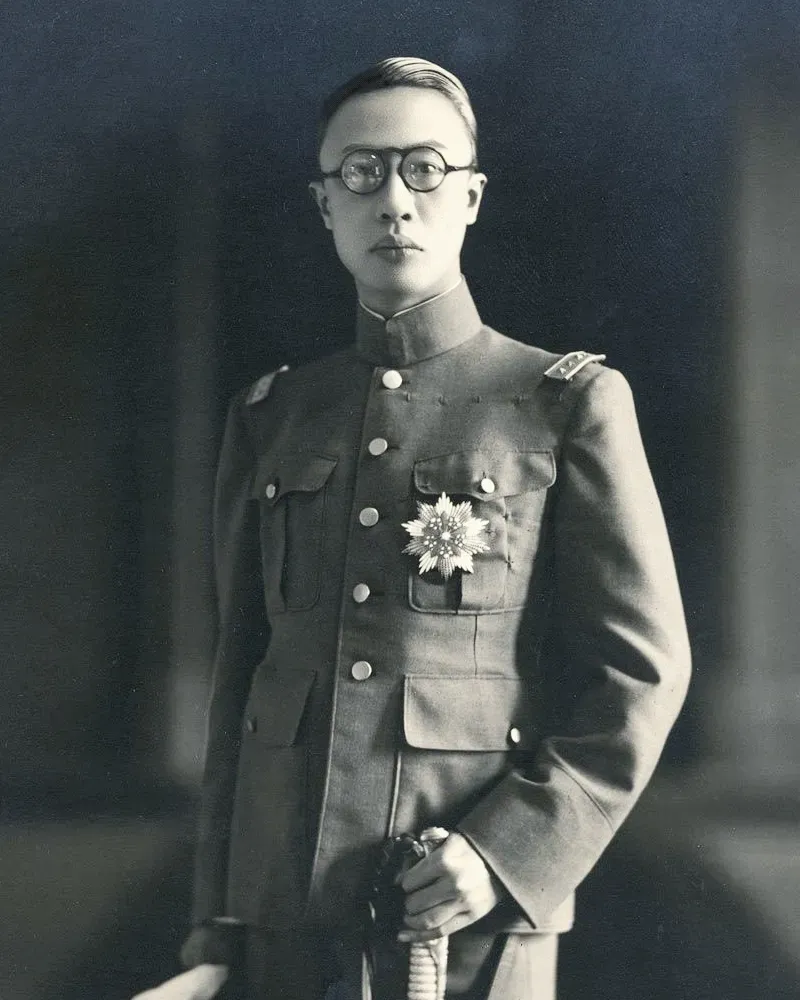
On 7 February 1906, Aisin-Gioro Puyi was born in Beijing. He became Emperor of China at two, lost the throne at six, spent his life as the plaything of forces vastly larger than himself, and died a gardener.