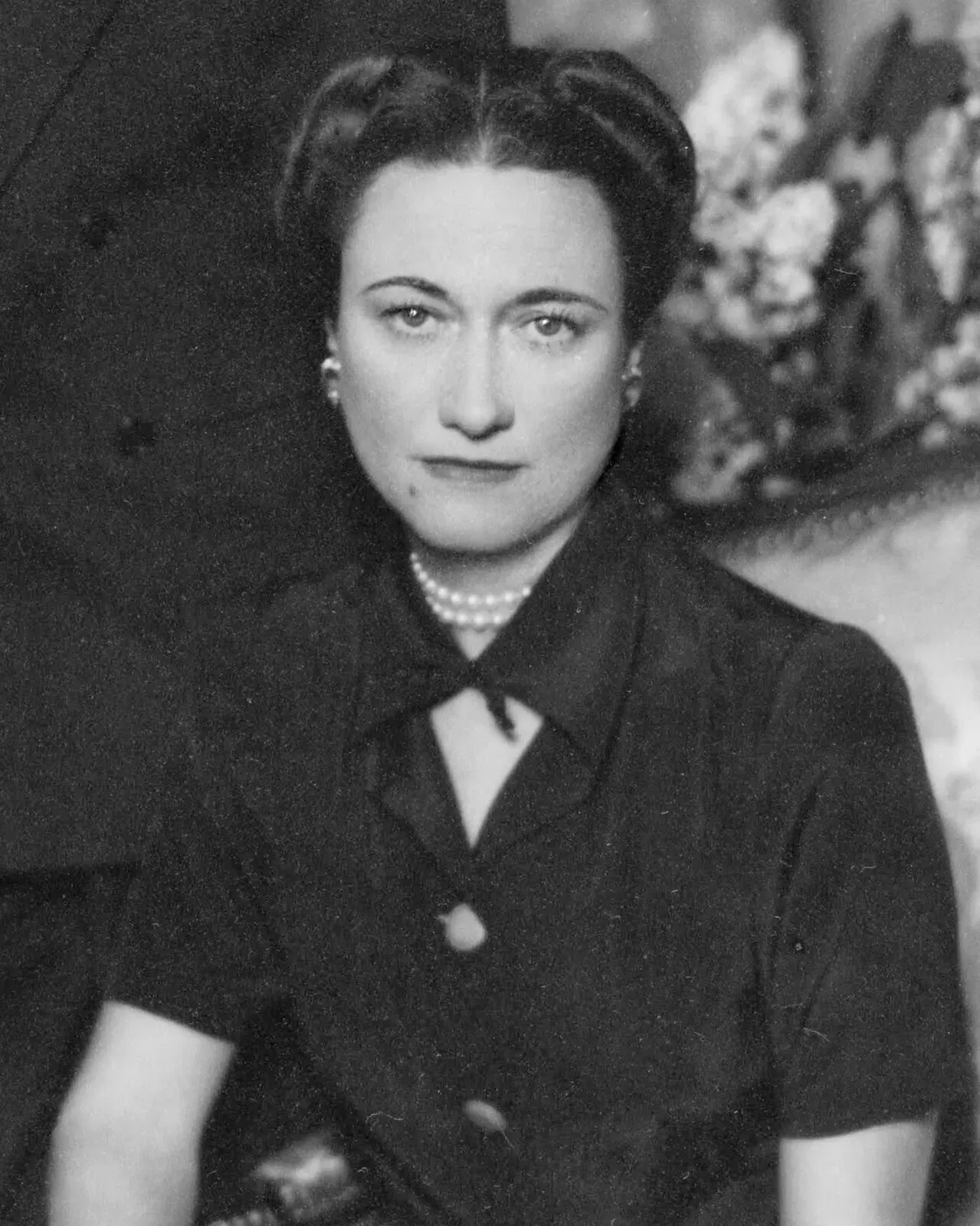
On 3 June 1937, a quiet wedding took place at the Château de Candé in France. There was no royal fanfare, no representatives from the British royal family, and no crown. Edward, Duke of Windsor, married Wallis Simpson. It was a private ceremony that marked the end of a constitutional crisis, but its historical tremors would shape the British monarchy for the next century. I find it ironic that an act of personal defiance - once branded as a mortal threat to the throne - ultimately saved it, paving the way for the longest and most stable reign in British history.
In 1936, King Edward VIII insisted on marrying Wallis Simpson, a twice-divorced American woman. To the modern mind, the objection seems quaint, even absurd. But in the moral climate of the 1930s, the establishment saw the marriage as unacceptable. Stanley Baldwin’s cabinet threatened to resign, the Church of England refused to sanction the union, and the press painted Wallis as a calculating opportunist. Edward was told he could not keep both the woman he loved and the throne. Faced with this ultimatum, he chose. In December 1936, he signed the instrument of abdication, surrendering an empire for a private life in exile.
By stepping down, Edward cleared the path for his reluctant younger brother, who became George VI, and consequently, for George’s elder daughter, Elizabeth. Had Edward remained on the throne, he likely would have reigned as a controversial and politically erratic monarch through the Second World War - given his soft spot for the Nazi regime. Instead, Britain got George VI, a symbol of stoic wartime resilience, followed by Elizabeth II, who became the bedrock of modern British identity. Elizabeth’s seventy-year reign turned the monarchy into a global institution of quiet duty. All of this was made possible because a stubborn man wanted to marry a divorcee.
The contrast with our present day is stark. King Charles III sits on the throne with Queen Camilla by his side in Buckingham Palace. Camilla, too, is a divorcee with a living ex-husband. Yet when they married in 2005, the establishment did not collapse. The cabinet did not threaten to resign, and the Archbishop of Canterbury offered a service of prayer and dedication. The “unacceptable” threat of 1936 has become the quiet, accepted reality of 2026.
Edward’s abdication was presented as a tragedy of duty defeated by romance. But history has a way of turning personal scandals into structural salvation. Without the Duke of Windsor’s exile, we would never have had the Elizabethan era, nor the modern, adaptable monarchy that survived into the twenty-first century. As Charles III and Camilla govern from London, their partnership is not a symbol of rebellion, but of institutional survival. I see their partnership as a quiet triumph of time over dogma. The crown survives not by standing firm against the tide of social change, but by eventually, quietly, letting the tide wash over it.