Nobody's First Choice
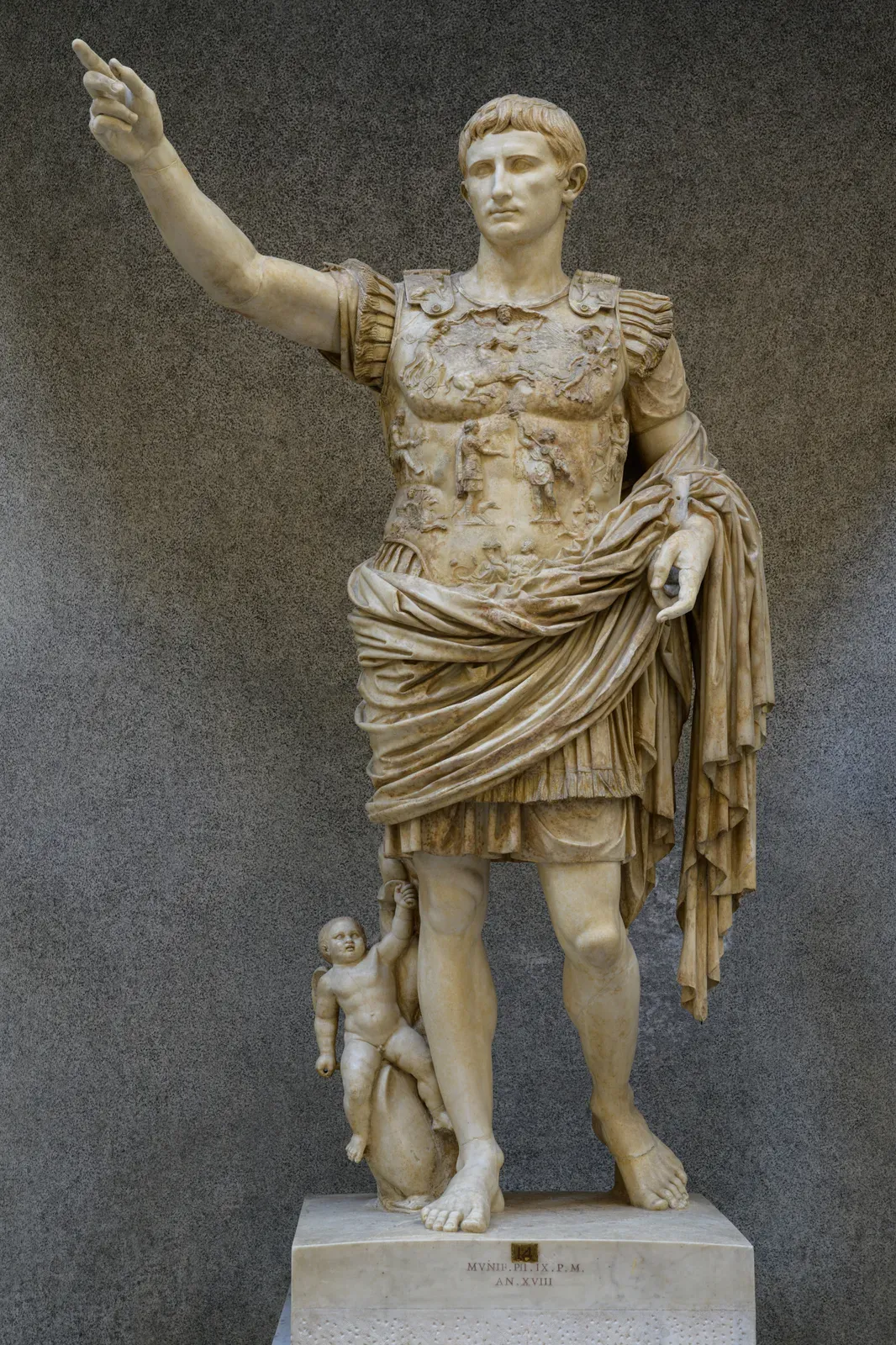
On 26 June AD 4, Augustus formally adopted Tiberius, his wife's forty-five-year-old son from a previous marriage. He had run out of everyone he would have preferred.
12 posts tagged with this keyword.

On 26 June AD 4, Augustus formally adopted Tiberius, his wife's forty-five-year-old son from a previous marriage. He had run out of everyone he would have preferred.

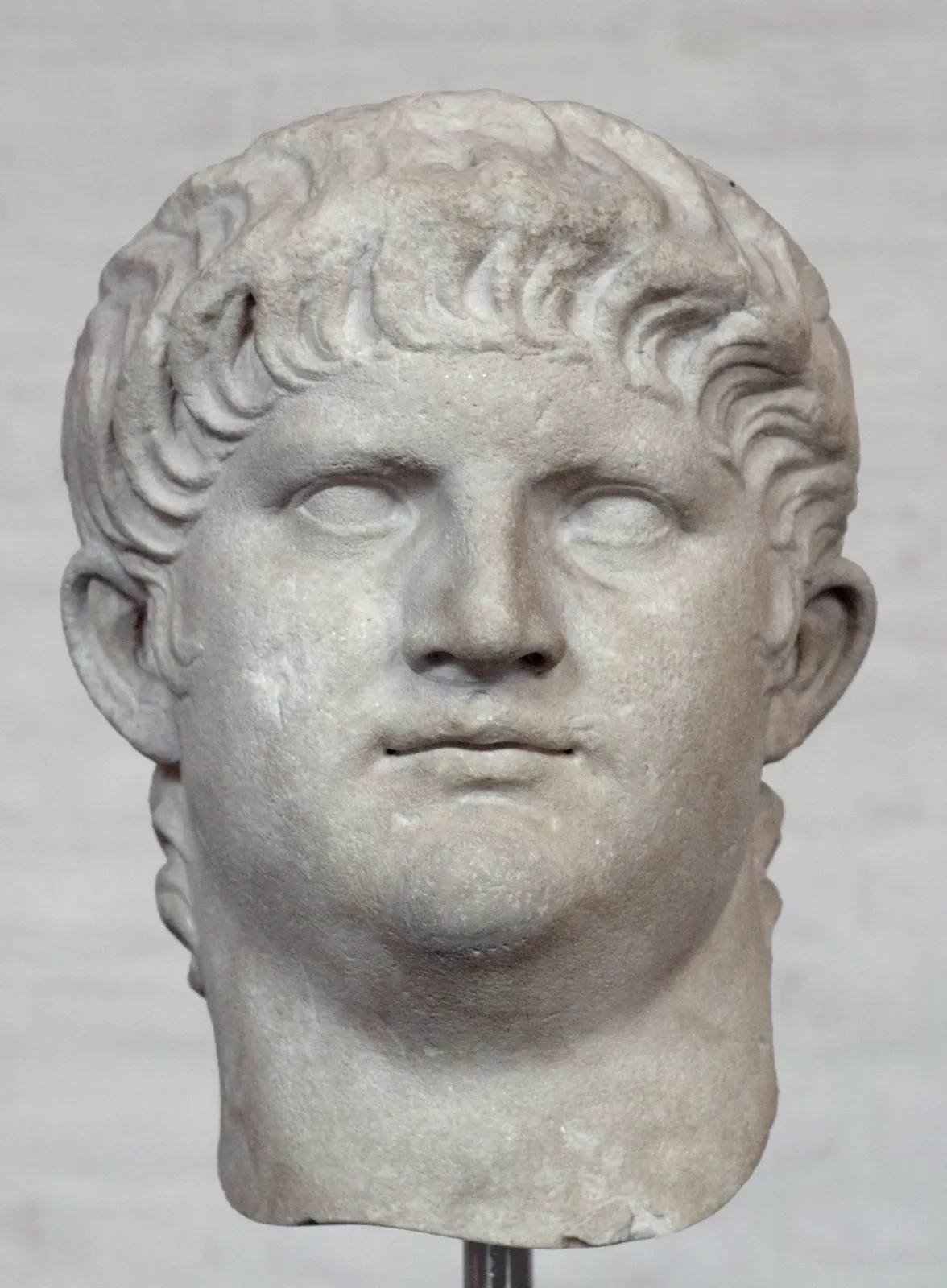
On 9 June AD 68, Nero drove a dagger into his own throat in a freedman's villa outside Rome. He was the last of the Julio-Claudians, and his death opened the first succession crisis in imperial history - the Year of the Four Emperors.

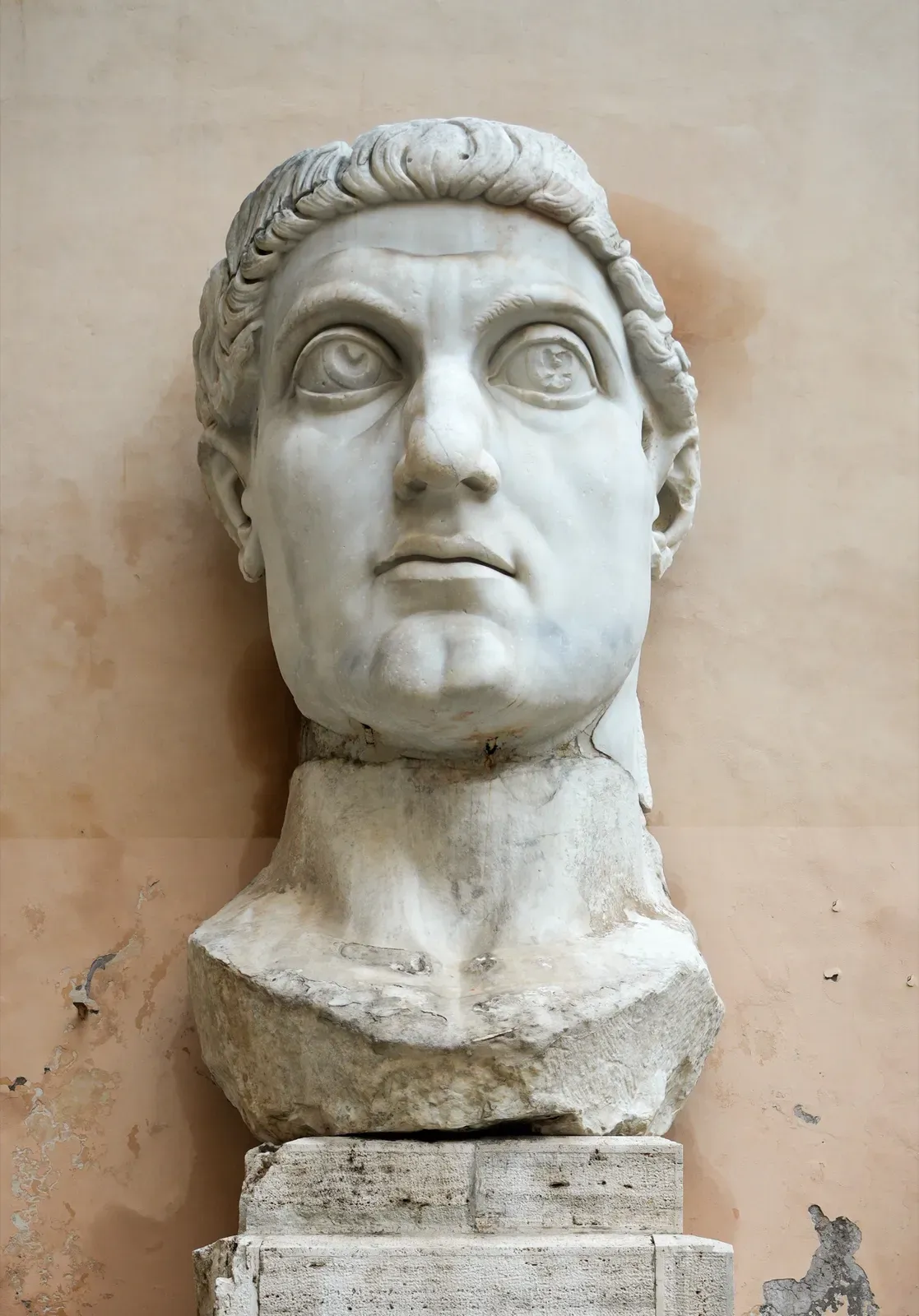
On 20 May 325, the Emperor Constantine convened roughly 300 bishops at Nicaea to end a theological dispute that was threatening imperial unity. The creed they drafted is still recited in churches today. The argument they tried to close took another fifty years to resolve.

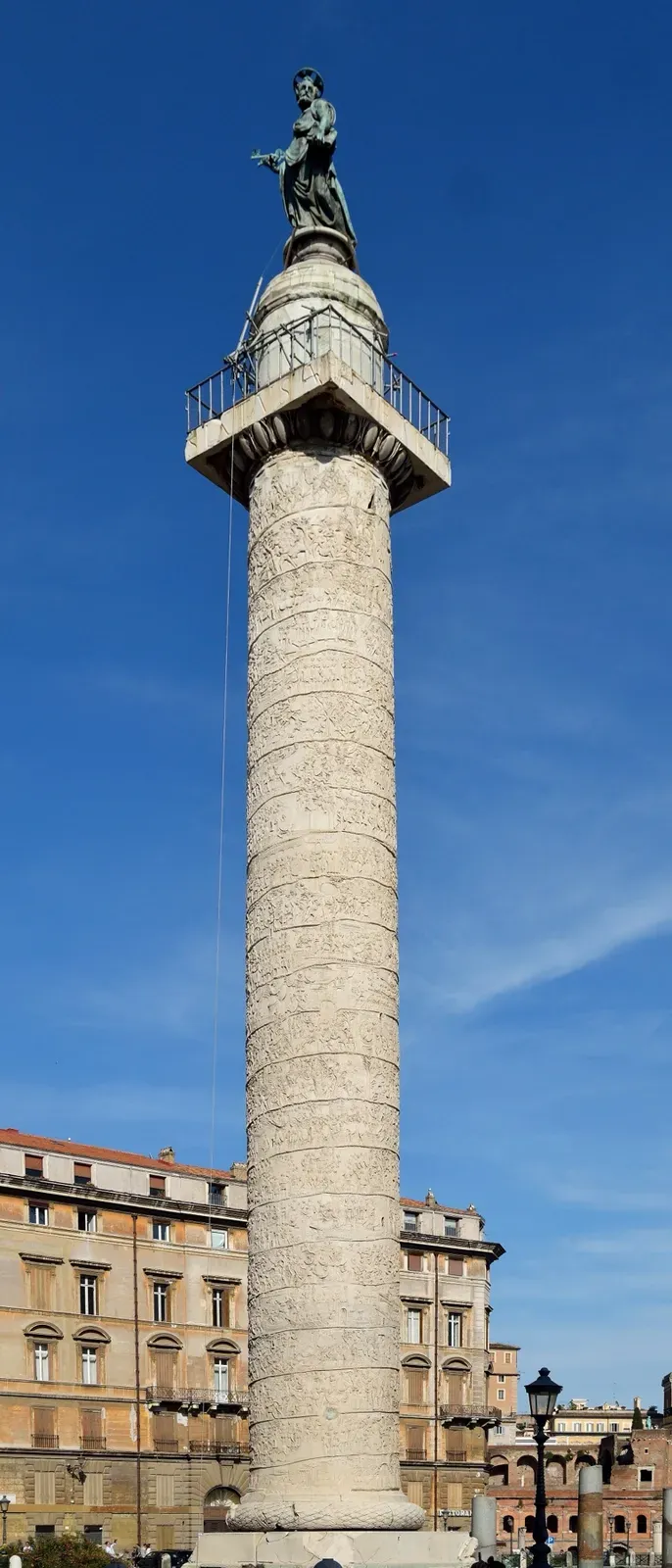
On 12 May 113 AD, Trajan dedicated a thirty-metre marble column in Rome depicting his conquest of Dacia in 2,500 carved figures. The wars it commemorated were Rome at its peak — and the plunder that paid for almost everything.

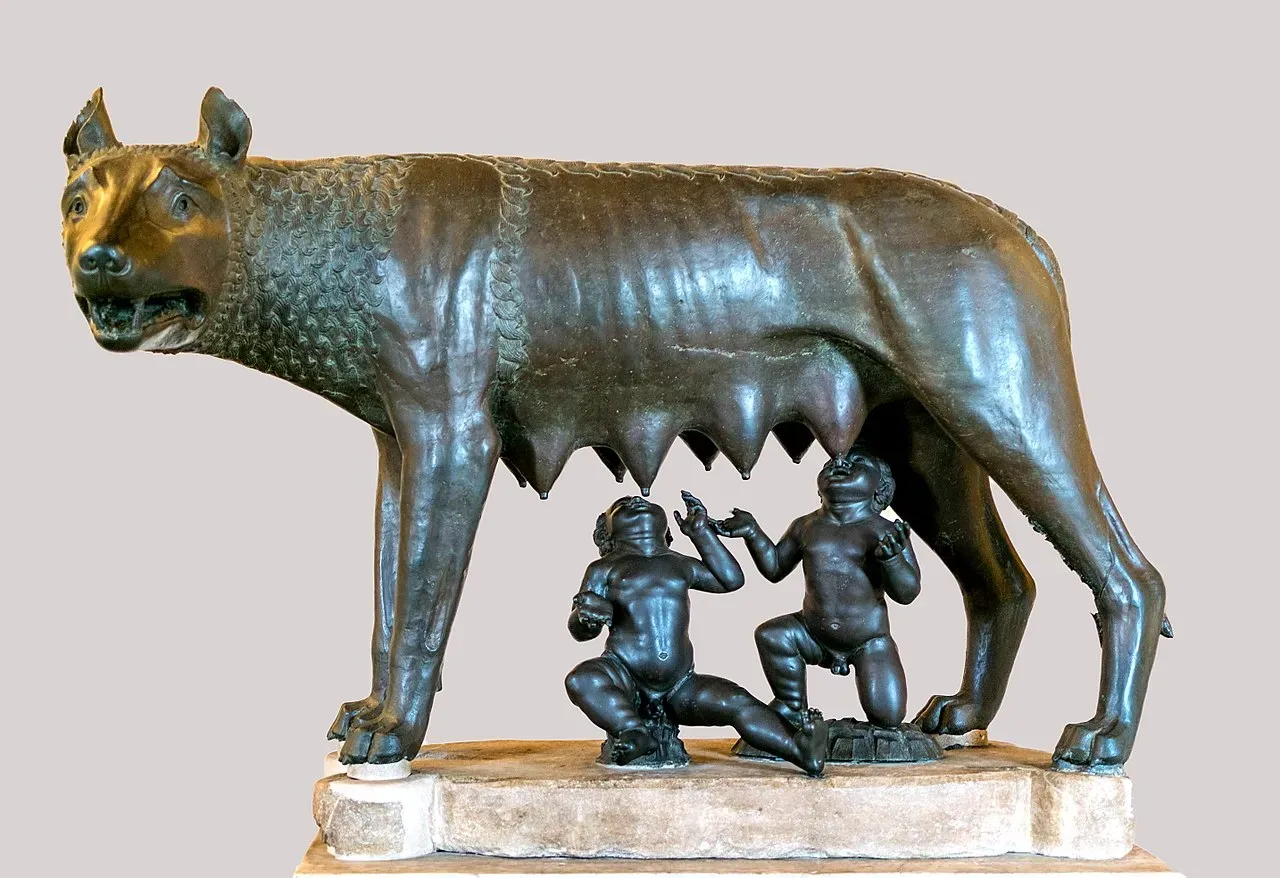
On 21 April 753 BC, according to tradition, Romulus founded Rome. The date is a fiction a Roman scholar calculated seven centuries later. The city it commemorates outlived every peer it ever had, and most of its successors.

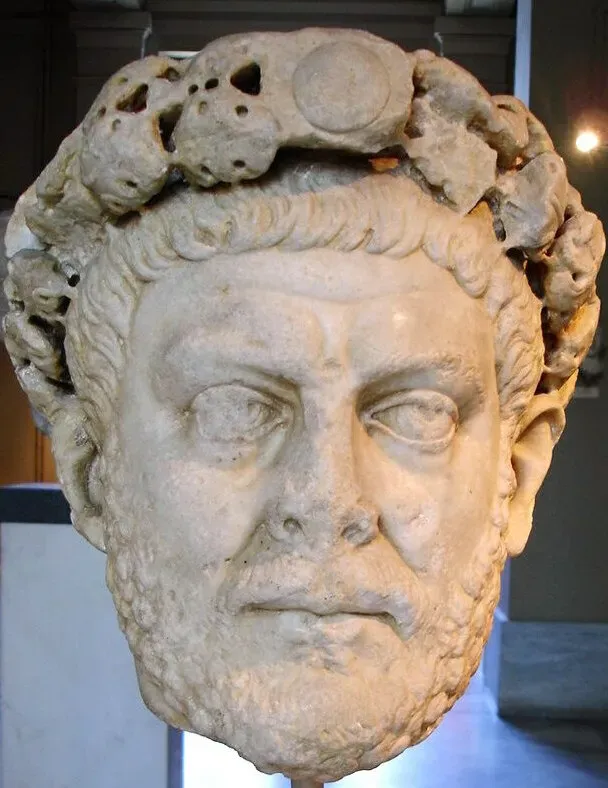
On 1st April 286, Diocletian appointed Maximian as co-Augustus, establishing Rome's first diarchy. The empire covered 5 million square kilometres. The logic was straightforward.

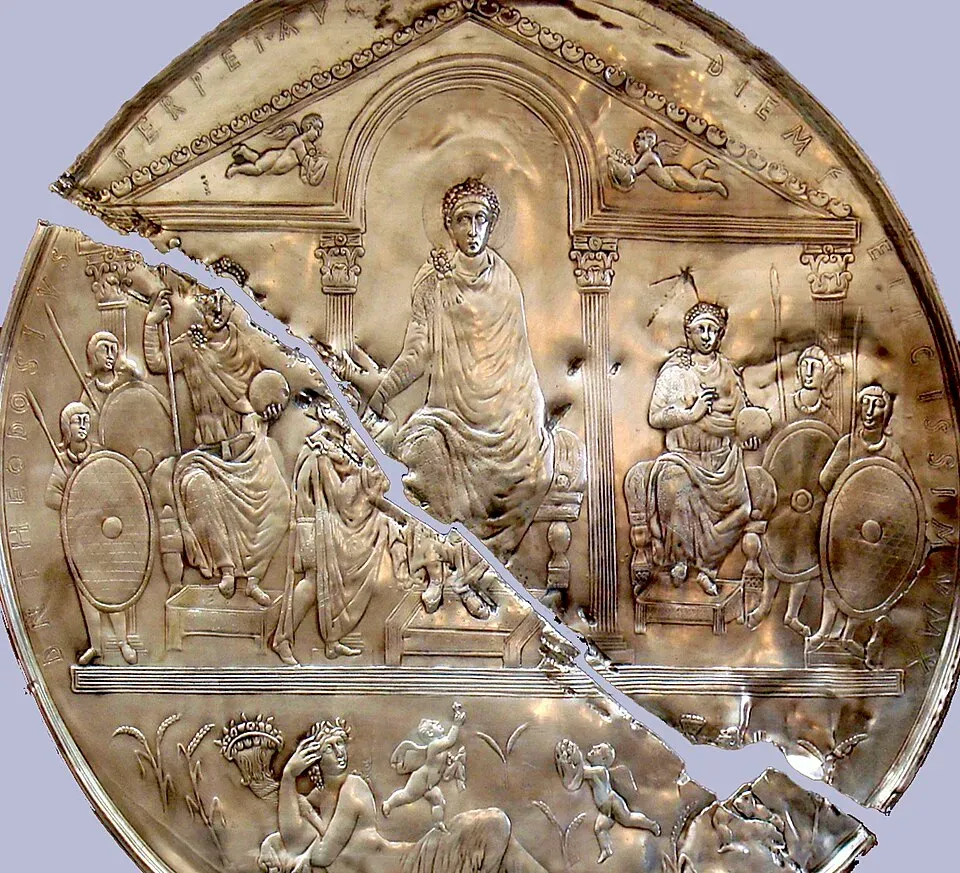
On 27 February 380, Theodosius I issued the Edict of Thessalonica and made Nicene Christianity the only legal religion of the Roman Empire. Christianity had joined a very exclusive club.

On 11 February 55 AD, Britannicus — the biological son of Emperor Claudius — collapsed at a dinner party and died. He was thirteen years old, one day short of manhood. The poisoning that killed him was not an aberration. It was how the Julio-Claudian dynasty did business.

On 4 February 2 BC, the Roman Senate hailed Augustus as Pater Patriae — Father of the Fatherland. He had been ruling Rome for thirty years. He wept.

On 27 January 98 AD, Nerva died and Trajan became Roman emperor. For centuries after, the Senate greeted every new emperor with the same ritual wish: may you be better than Trajan. He was not without flaws, but the bar he set outlasted the empire itself.