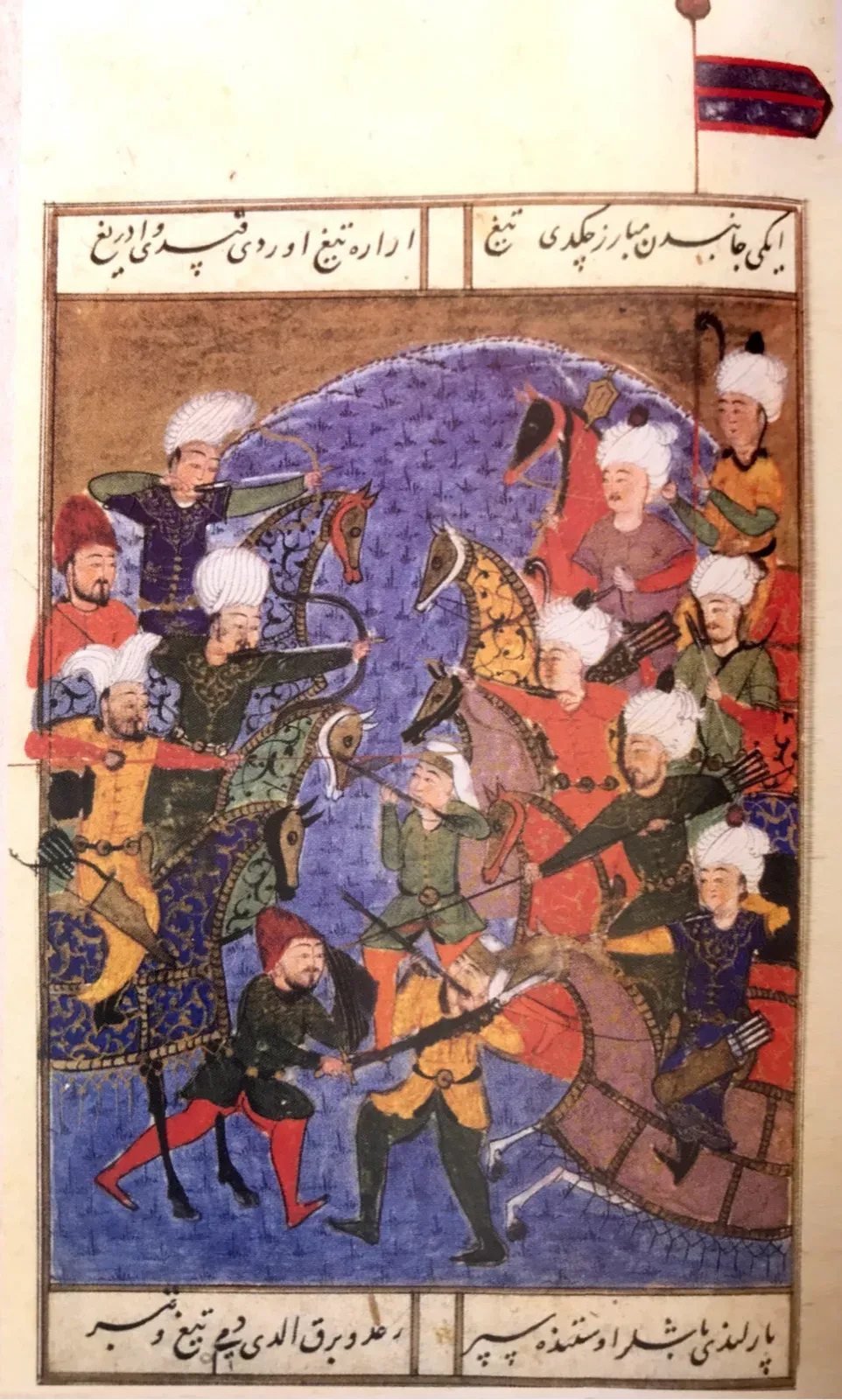
The Invoice of the Magnificent
On 24 August 1516, Selim I destroyed the Mamluk army at Marj Dabiq with cannon and chained wagons. Suleiman the Magnificent inherited the glory, but his terrifying father did the butchery and paid the bills.
10 posts tagged with this keyword.
On 24 August 1516, Selim I destroyed the Mamluk army at Marj Dabiq with cannon and chained wagons. Suleiman the Magnificent inherited the glory, but his terrifying father did the butchery and paid the bills.
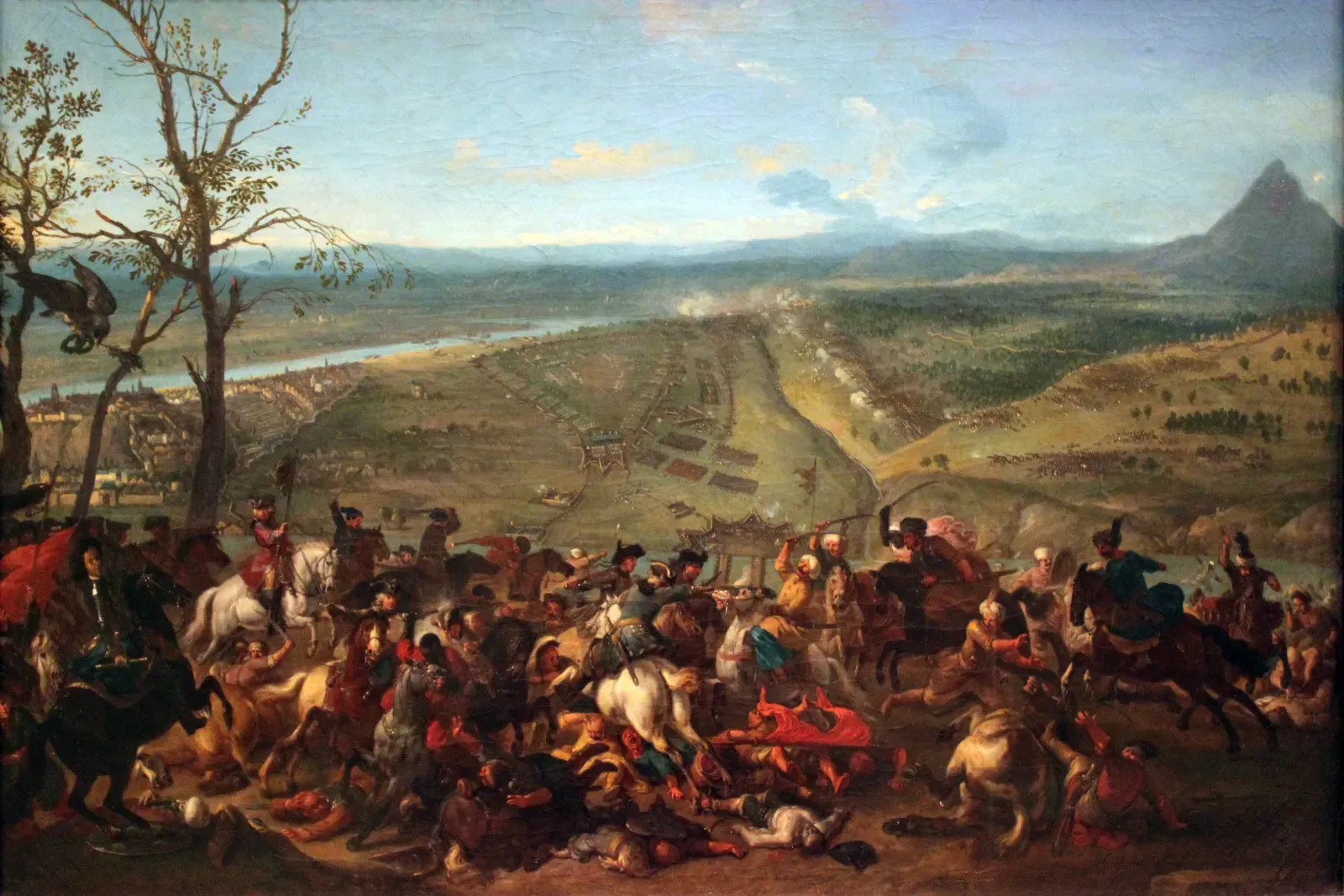
On 16 August 1717, Prince Eugene of Savoy broke an Ottoman army twice the size of his own in the mist outside Belgrade. It was a masterpiece of tactical audacity - and a reminder of how quickly imperial triumphs unravel.
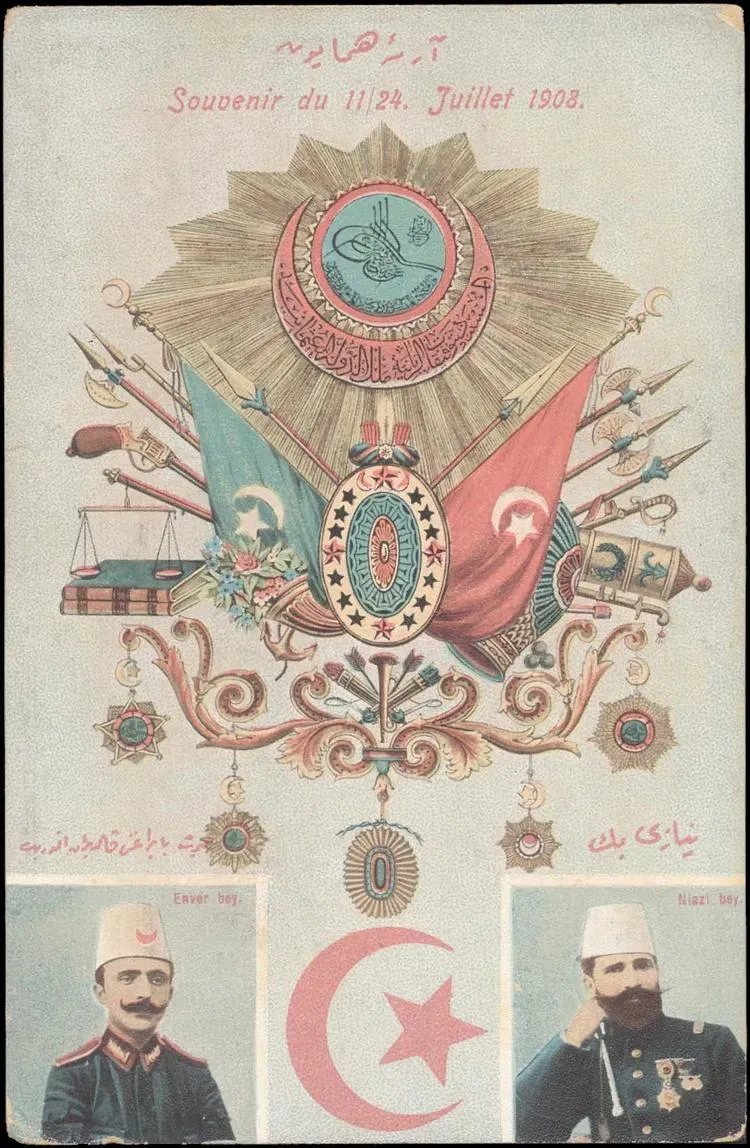
On 3 July 1908, Major Ahmed Niyazi raided an armoury in Macedonia and marched into the mountains demanding a constitution. Three weeks later Sultan Abdul Hamid II gave in. The men who forced him did not just modernise the Ottoman Empire - they eventually organised a genocide and dragged it into the First World War.
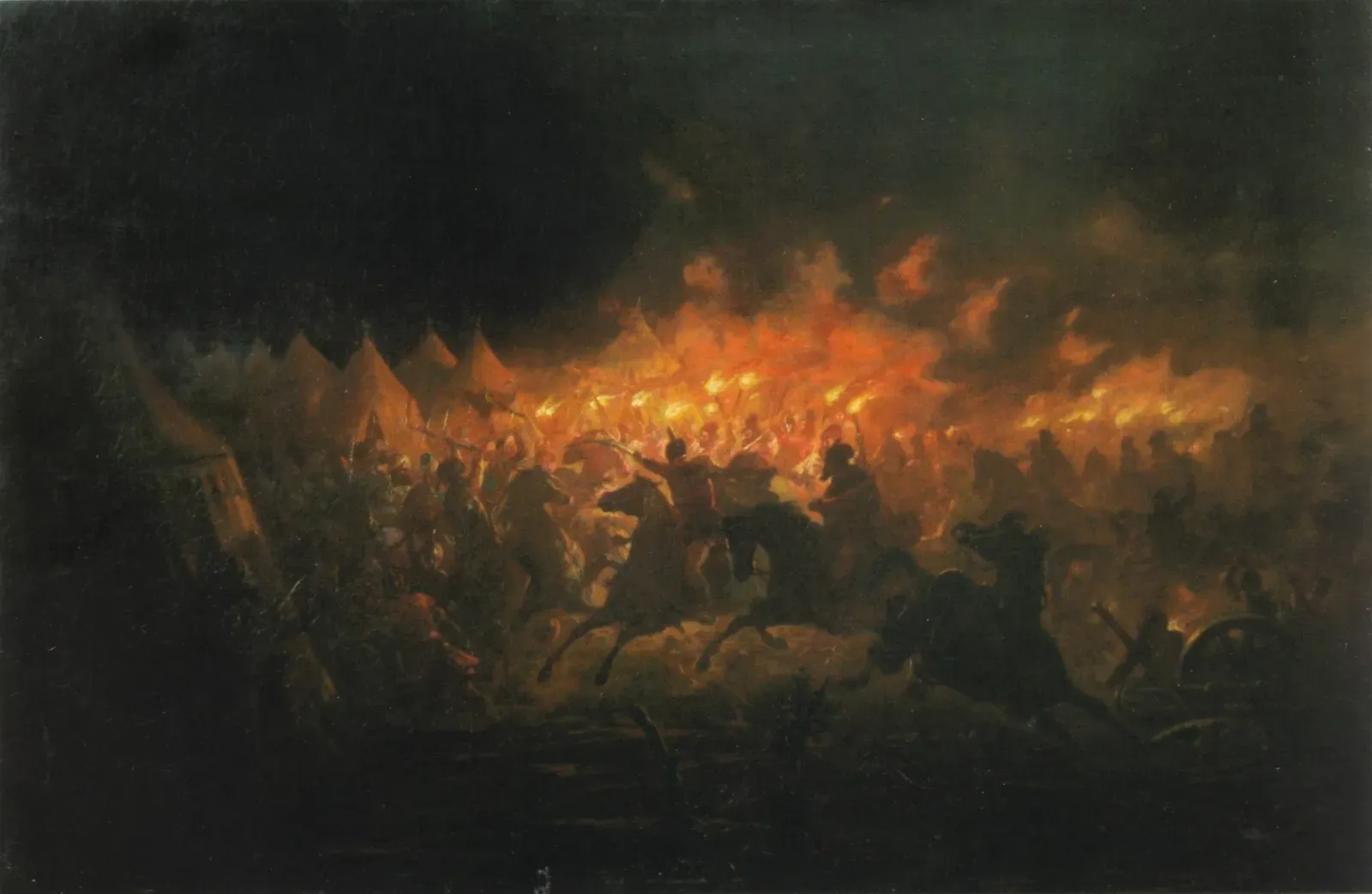
On 17 June 1462, Vlad the Impaler led his cavalry into the sleeping camp of Mehmed II and nearly killed him. The real Dracula — the man who impaled 20,000 Turks outside his own capital — was considerably more dangerous than the fictional one.
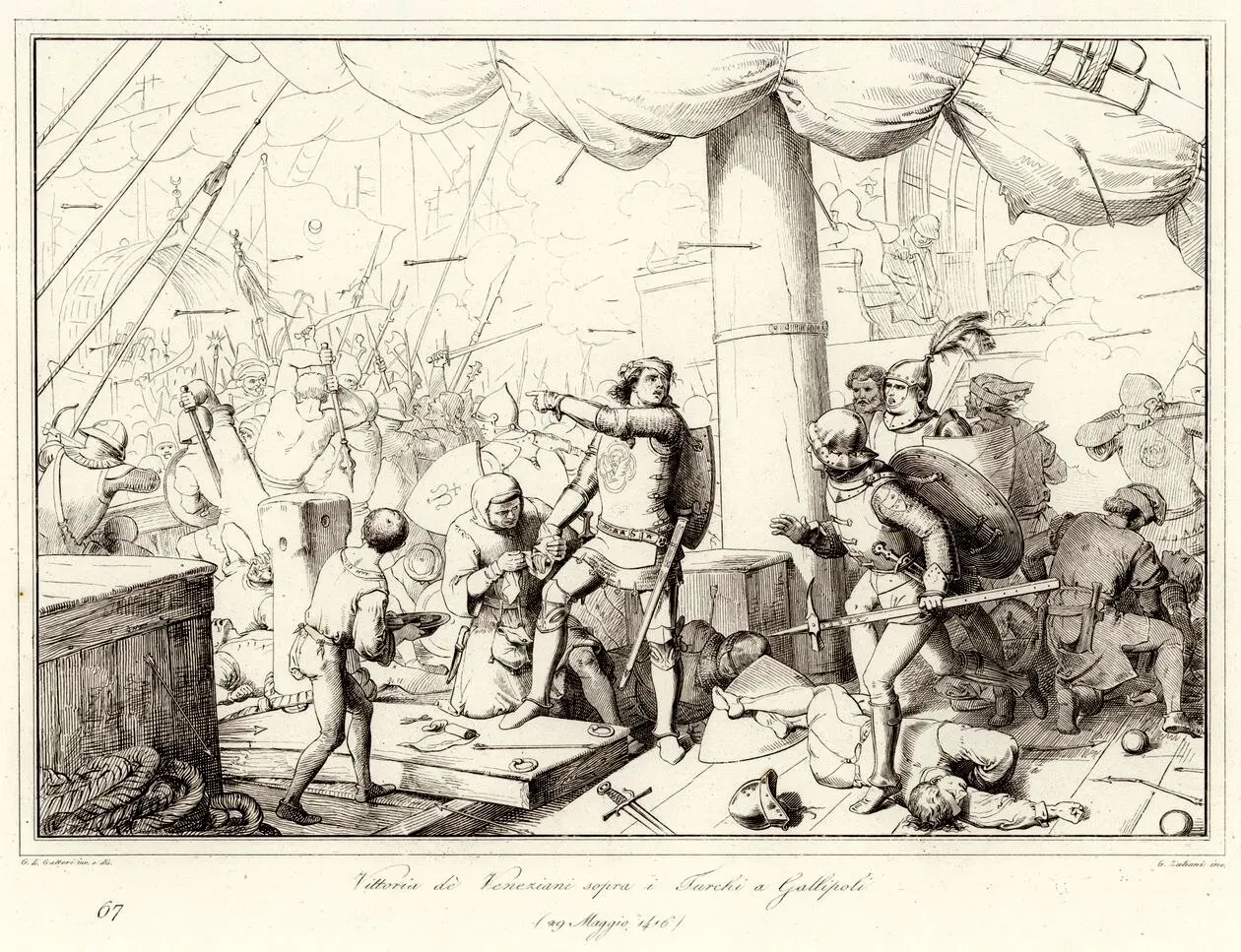
On 29 May 1416, a Venetian fleet under Pietro Loredan crushed a larger Ottoman armada off Gallipoli. The battle secured Venetian dominance in the Aegean, but it served as a wake-up call that forced the Ottoman Empire to modernize its navy, starting a 300-year struggle for the Mediterranean.
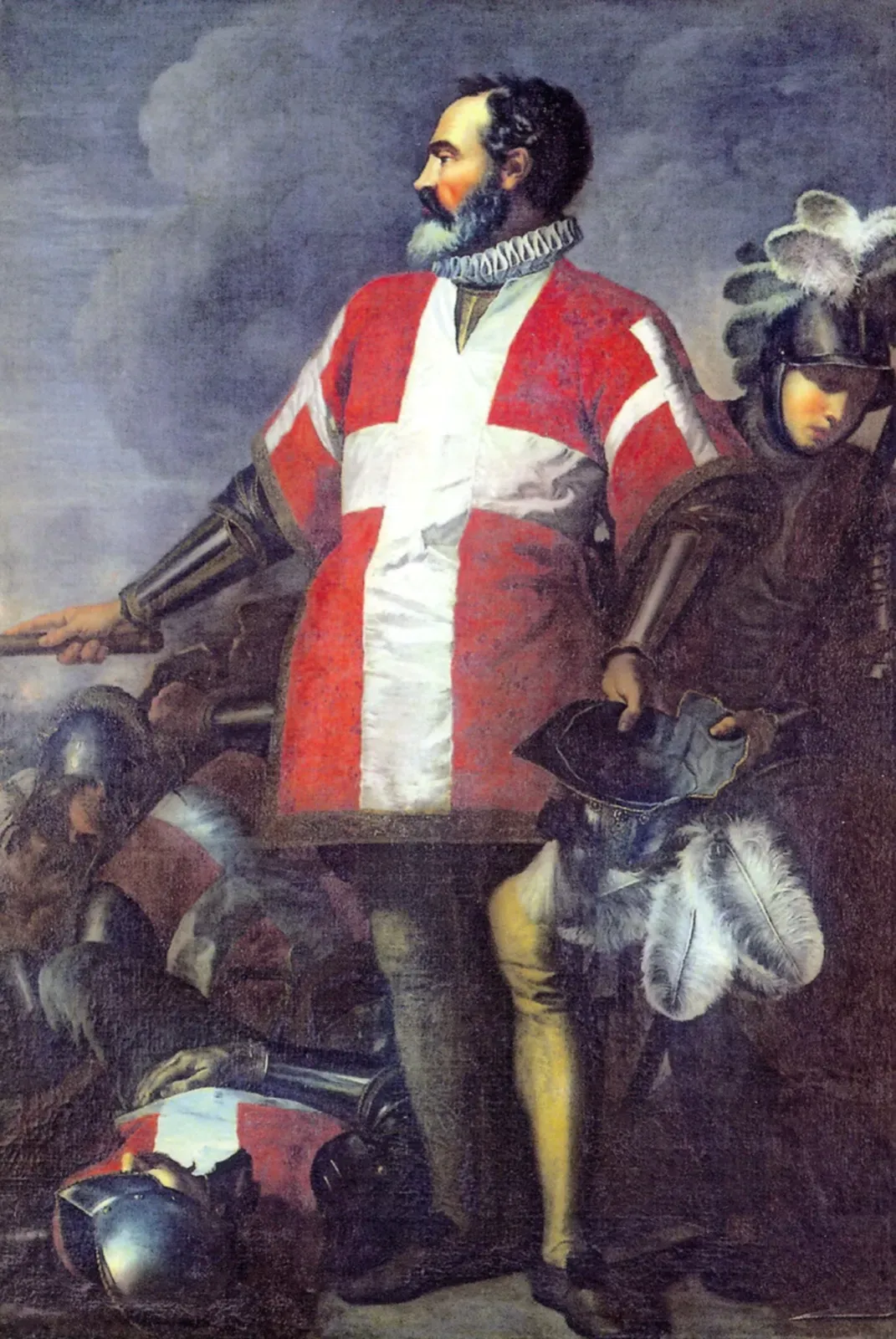
On 18 May 1565, Suleiman the Magnificent sent 40,000 men to take Malta. A handful of Knights and Maltese held them for four months. The bill for a single small fort should have told the Ottomans everything.
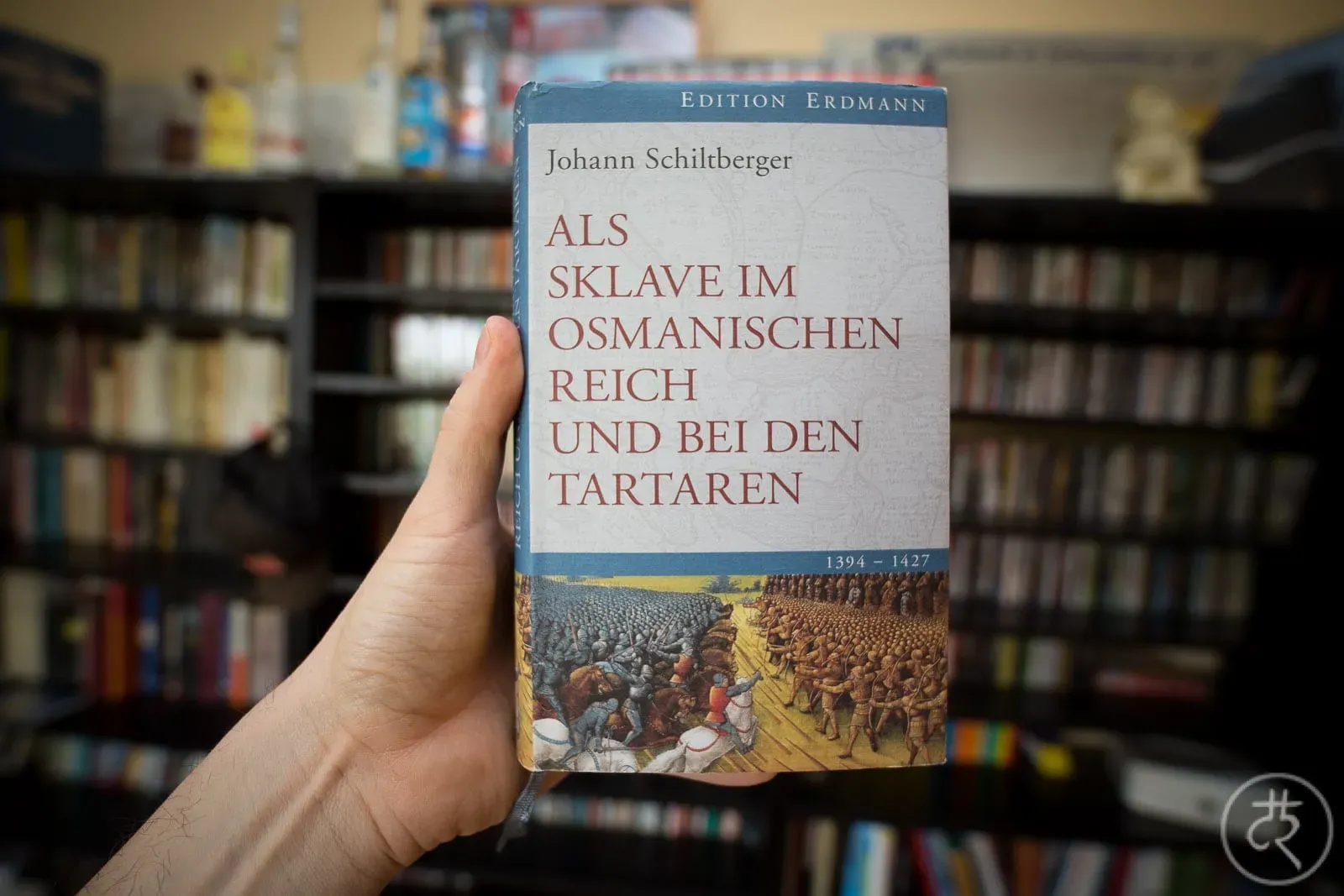
In 1396, a Bavarian teenager named Johann Schiltberger was spared execution at Nicopolis because he was sixteen. Over the next thirty-three years he served as a slave to Bayezid I, Tamerlane, and four of Tamerlane's heirs, crossed into Siberia, and walked home.
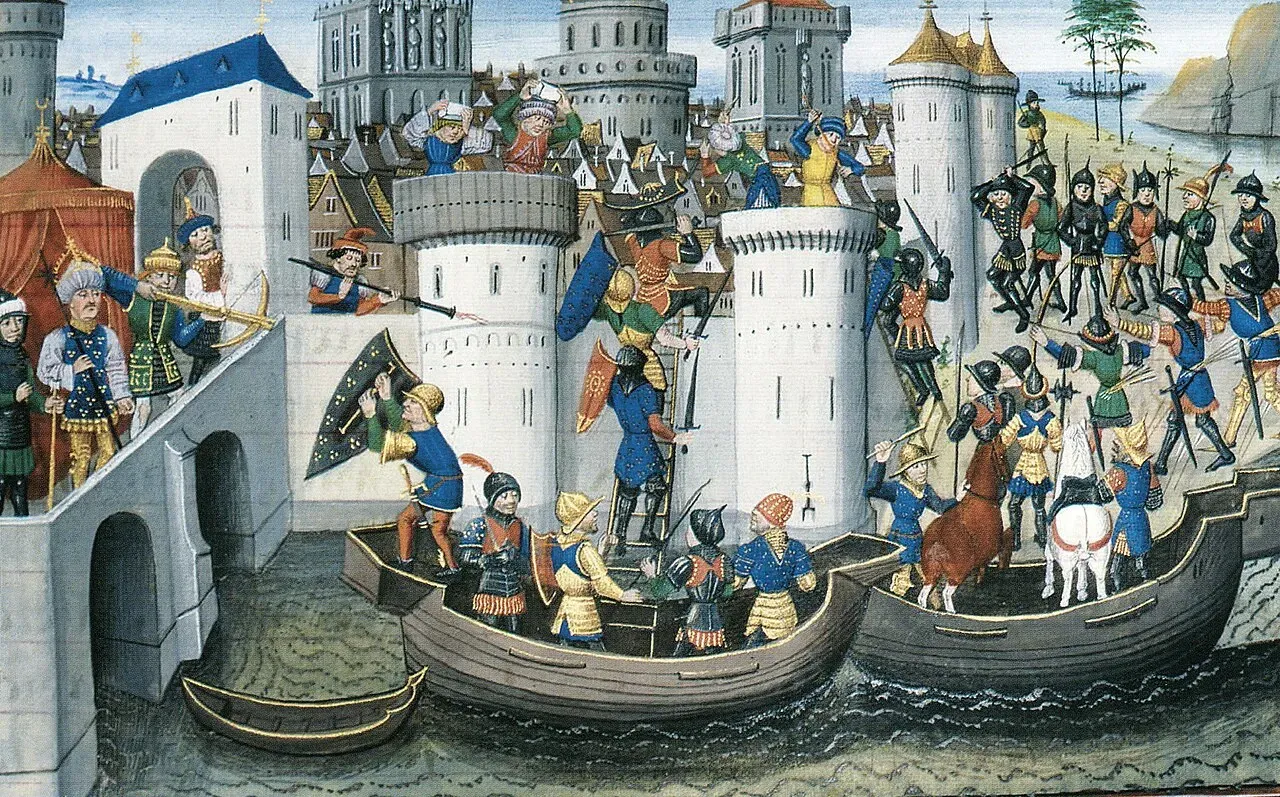
On 12 April 1204, Crusaders breached the walls of Constantinople. They had set out to free Jerusalem. They ended up sacking the greatest Christian city in the world - and dismantling the one barrier standing between Europe and the Ottoman advance.
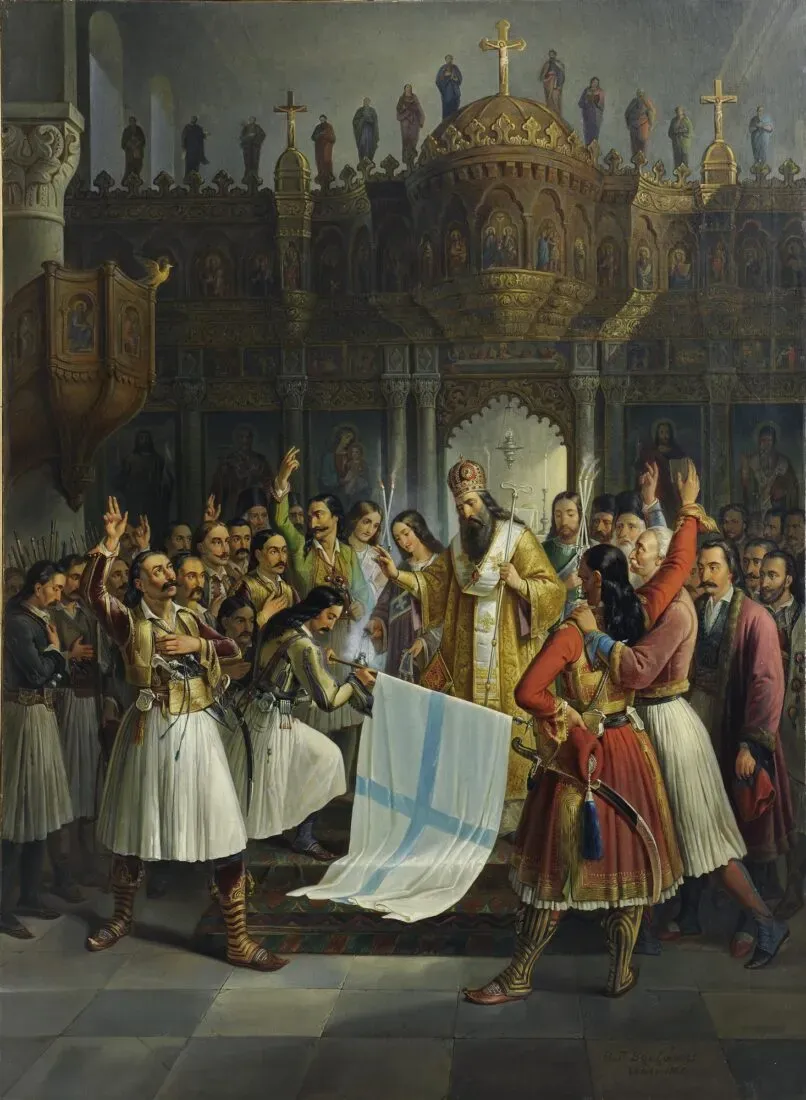
On 25th March 1821, Bishop Germanos of Patras is said to have raised the flag of revolution at the Monastery of Agia Lavra. The revolt had already started. The date was chosen deliberately, and that was exactly the point.
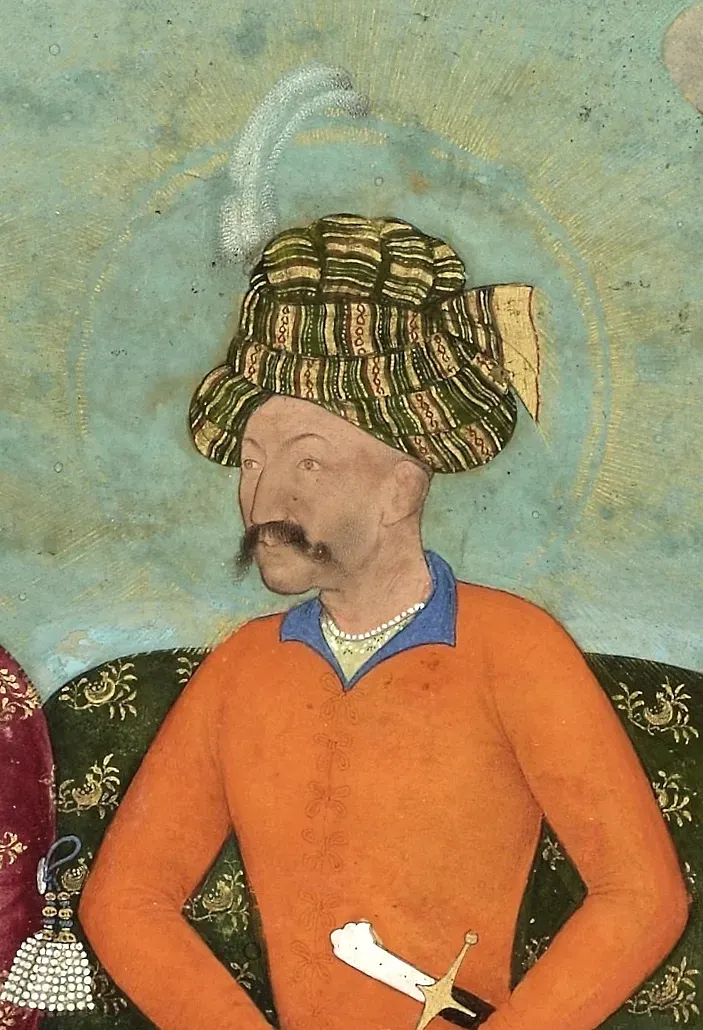
On 19 January 1629, Shah Abbas I died after forty-one years on the Safavid throne. He rebuilt a collapsing state into a military and commercial power, then crippled its future by destroying his own line of succession.