The Bargain on the Amur
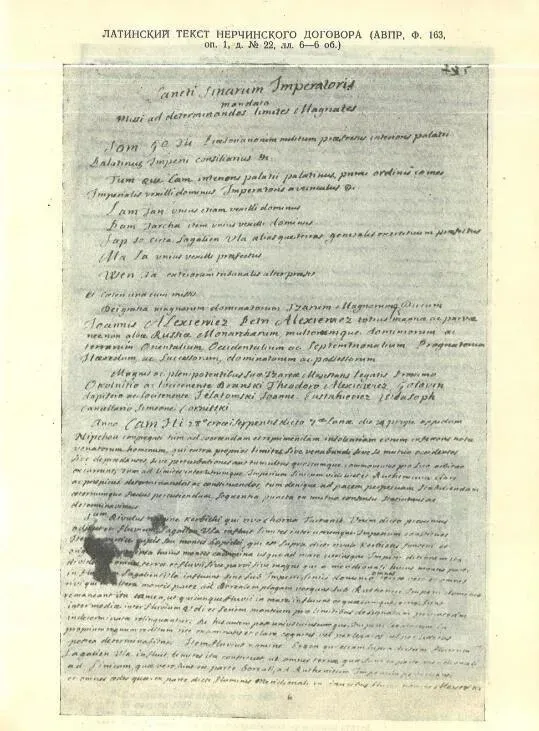
On 27 August 1689, Russia and the Qing Empire signed the Treaty of Nerchinsk. Mediated by Jesuits in Latin, it carved up Siberia and established the foundational template for three centuries of Sino-Russian realpolitik.
16 posts tagged with this keyword.
On 27 August 1689, Russia and the Qing Empire signed the Treaty of Nerchinsk. Mediated by Jesuits in Latin, it carved up Siberia and established the foundational template for three centuries of Sino-Russian realpolitik.
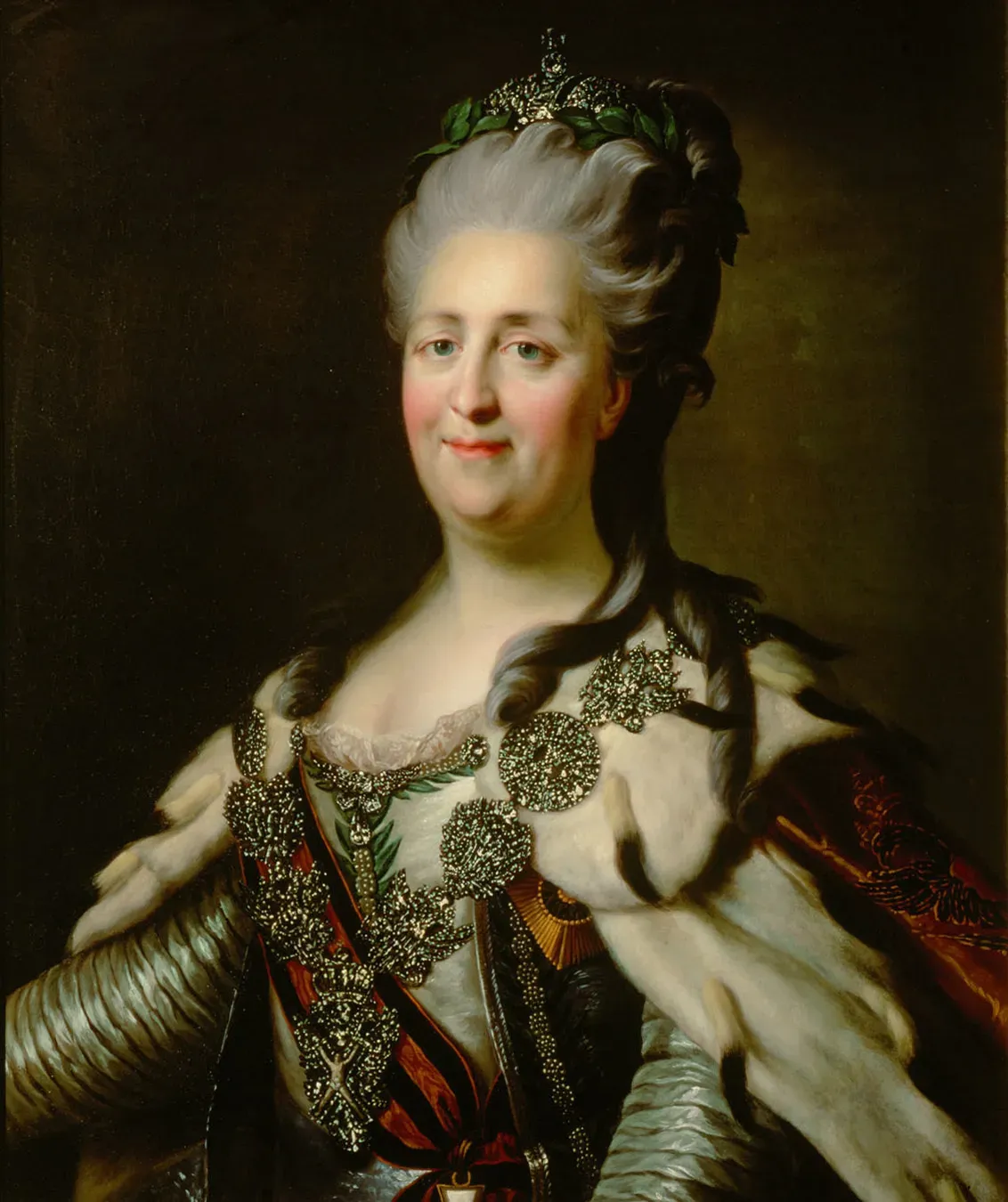
On 9 July 1762, Catherine rode into St Petersburg in a borrowed Guards uniform, won over three regiments in a morning, and forced her husband, Peter III, to sign away the Russian throne by nightfall. He was dead within eight days; she reigned for the next thirty-four years.
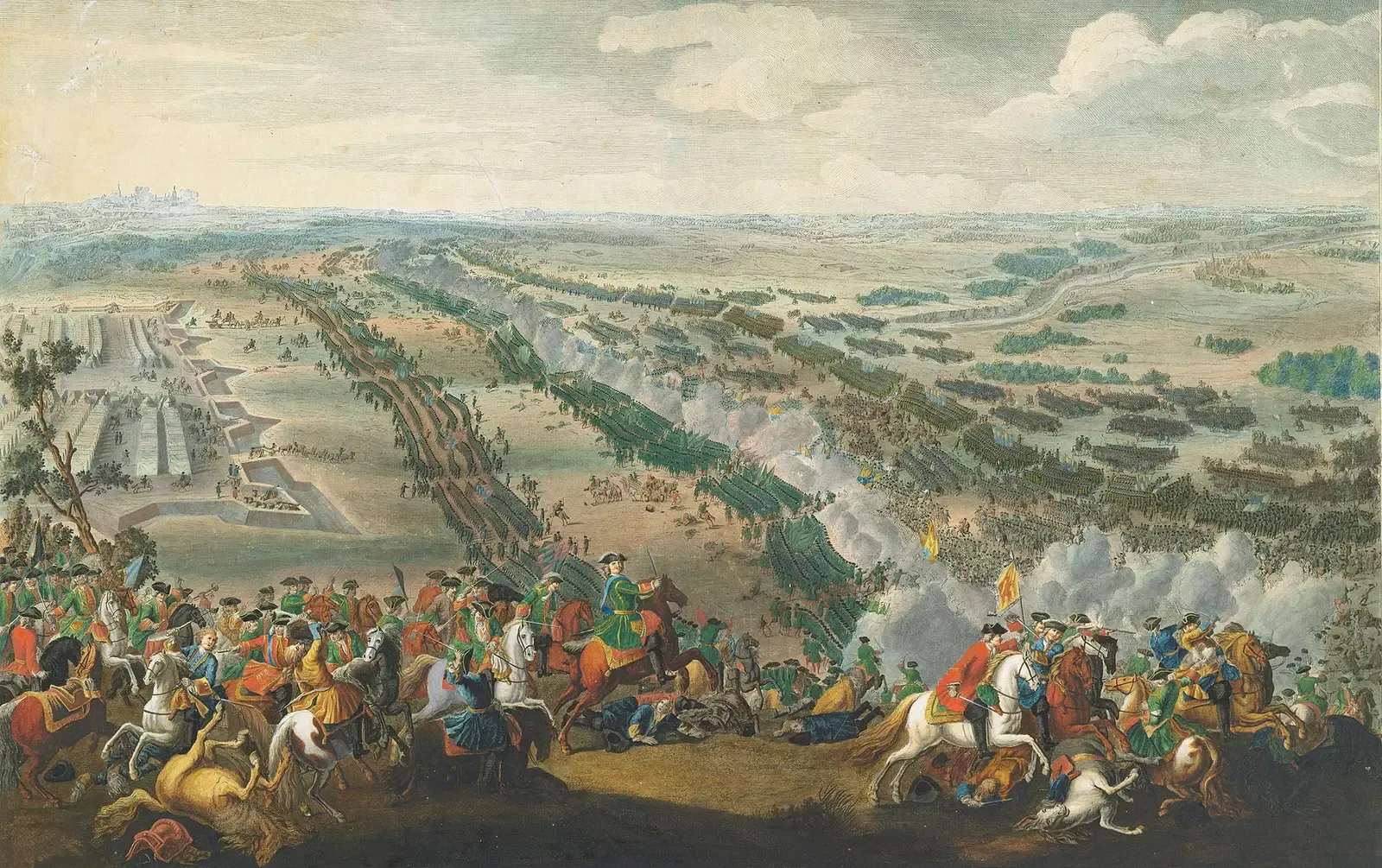
On 8 July 1709, Peter the Great crushed Charles XII's Swedish army at Poltava. Charles fought from a litter with a bullet wound in his foot. Nine years of Swedish invincibility ended in an afternoon, and Russia stepped into the space it left behind.
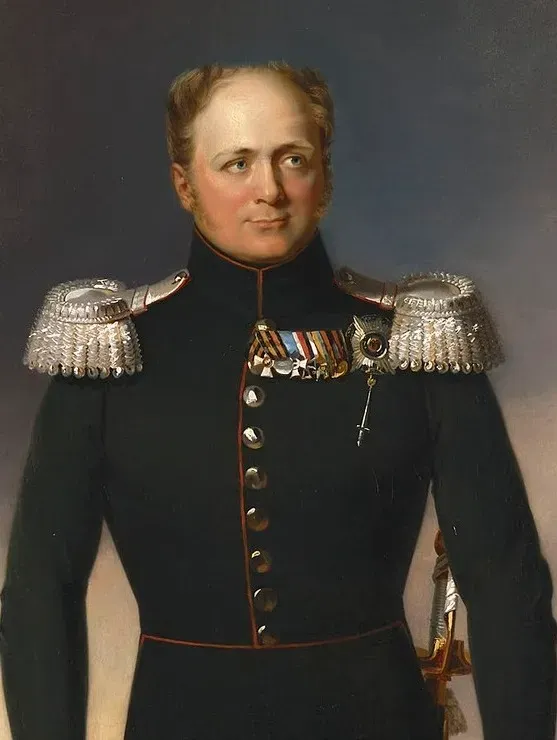
On 7 July 1807, France and Russia signed the Treaty of Tilsit after a staged reconciliation on a raft in the Neman. Prussia was carved in half two days later. The alliance it built was the high point of Napoleon's power and the start of its unravelling.
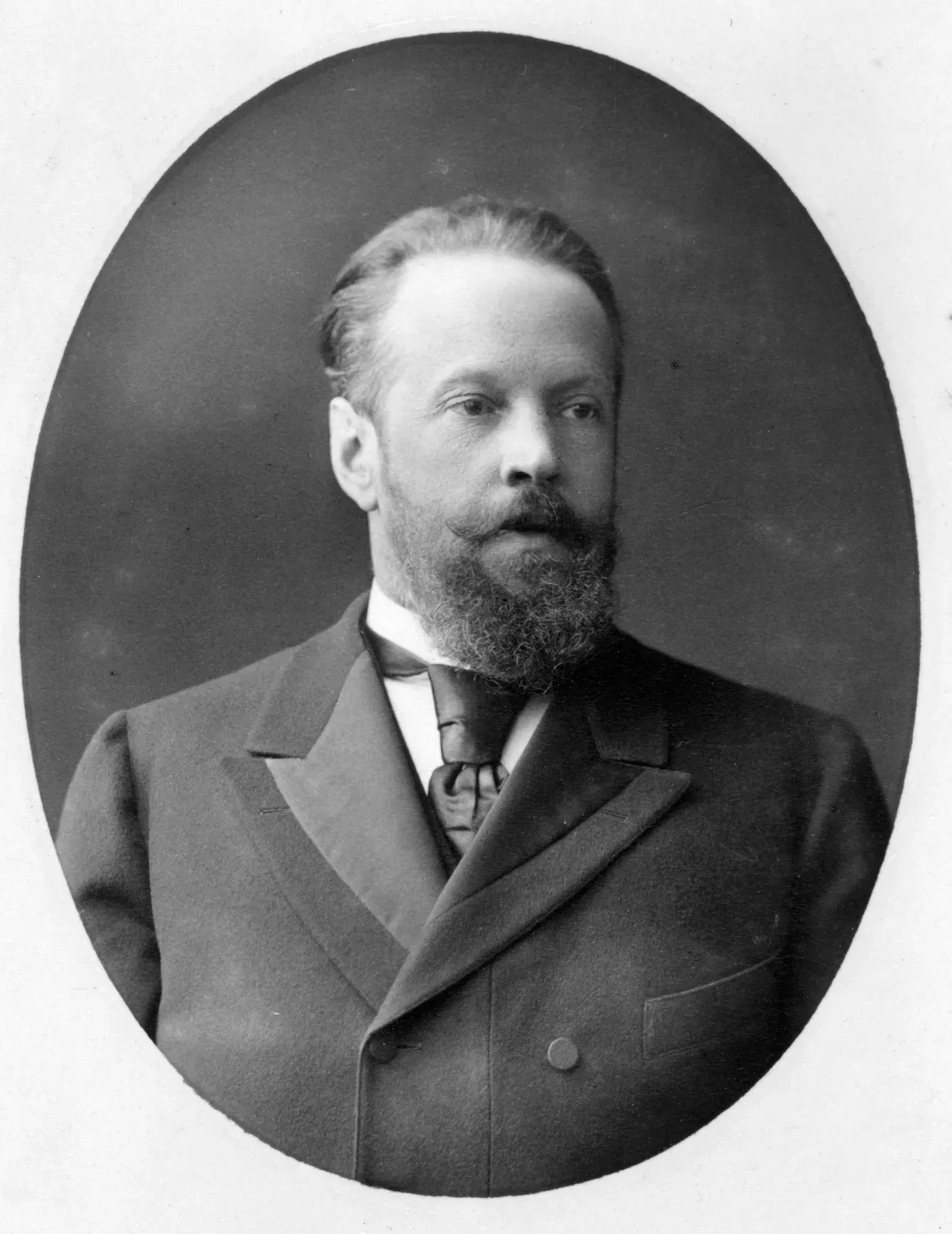
On 29 June 1849, Sergei Witte was born in Tiflis. As Russia's Minister of Finance he industrialised the empire, built the Trans-Siberian Railway, and drafted the October Manifesto that created a constitutional monarchy. Nicholas II fired him six months later.
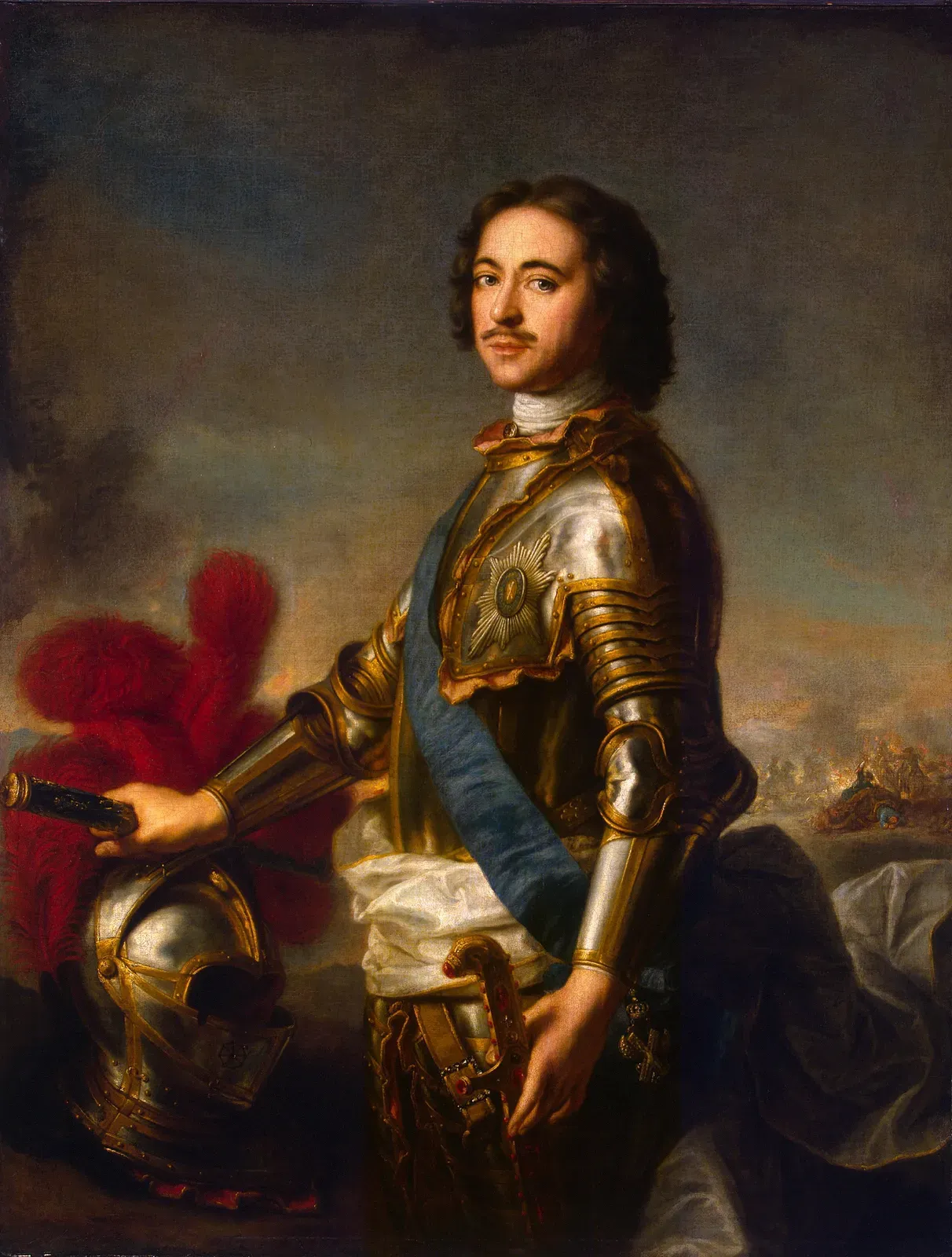
On 27 May 1703, Peter the Great ordered a fortress built on a swamp at the mouth of the Neva. The city that rose from it would run the Russian Empire for 215 years and cost tens of thousands of lives just to construct.
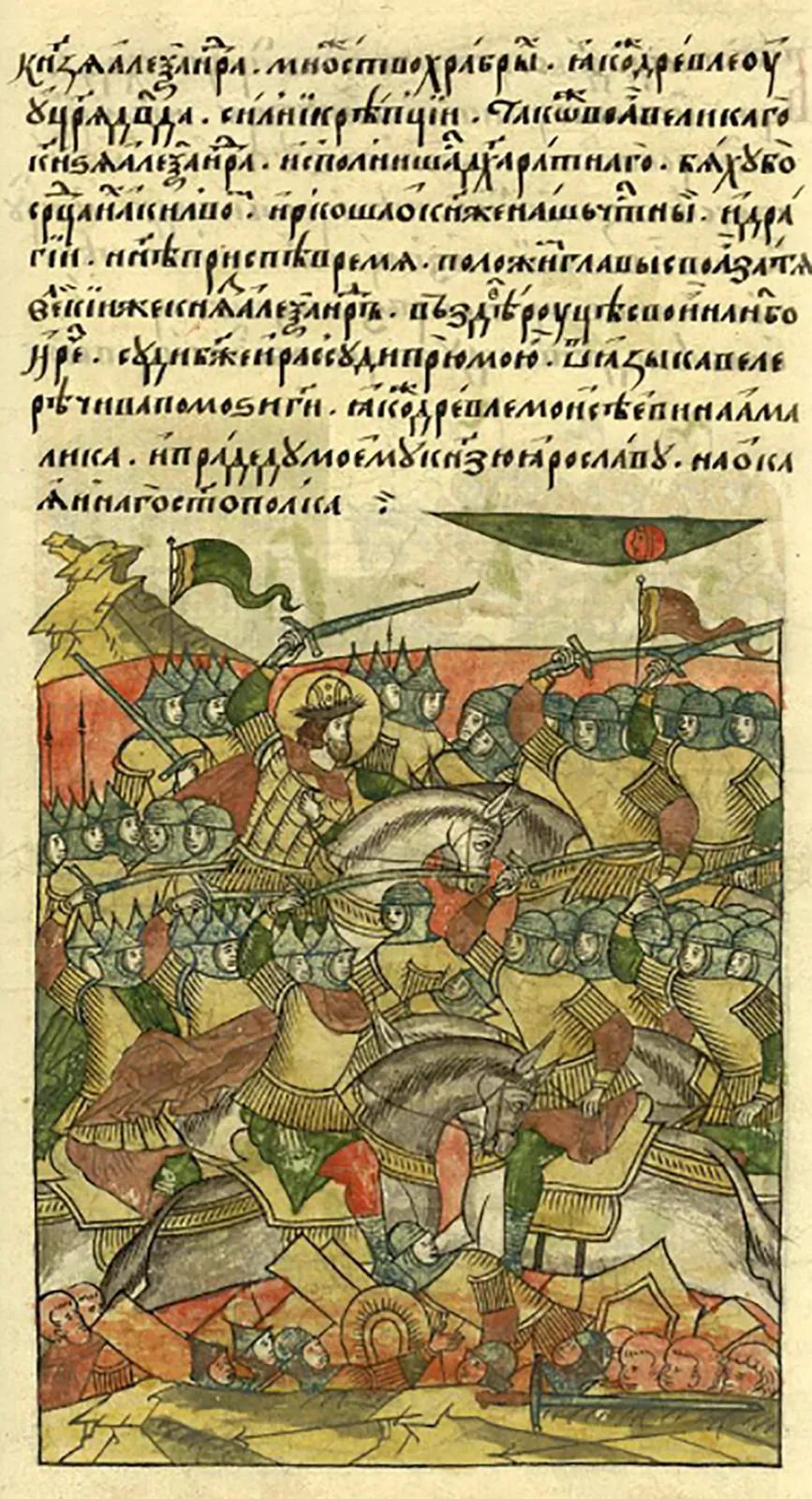
On 5 April 1242, a twenty-year-old Prince of Novgorod halted a crusader advance on the ice of Lake Peipus. Russia never forgot. Most of Western history never noticed.
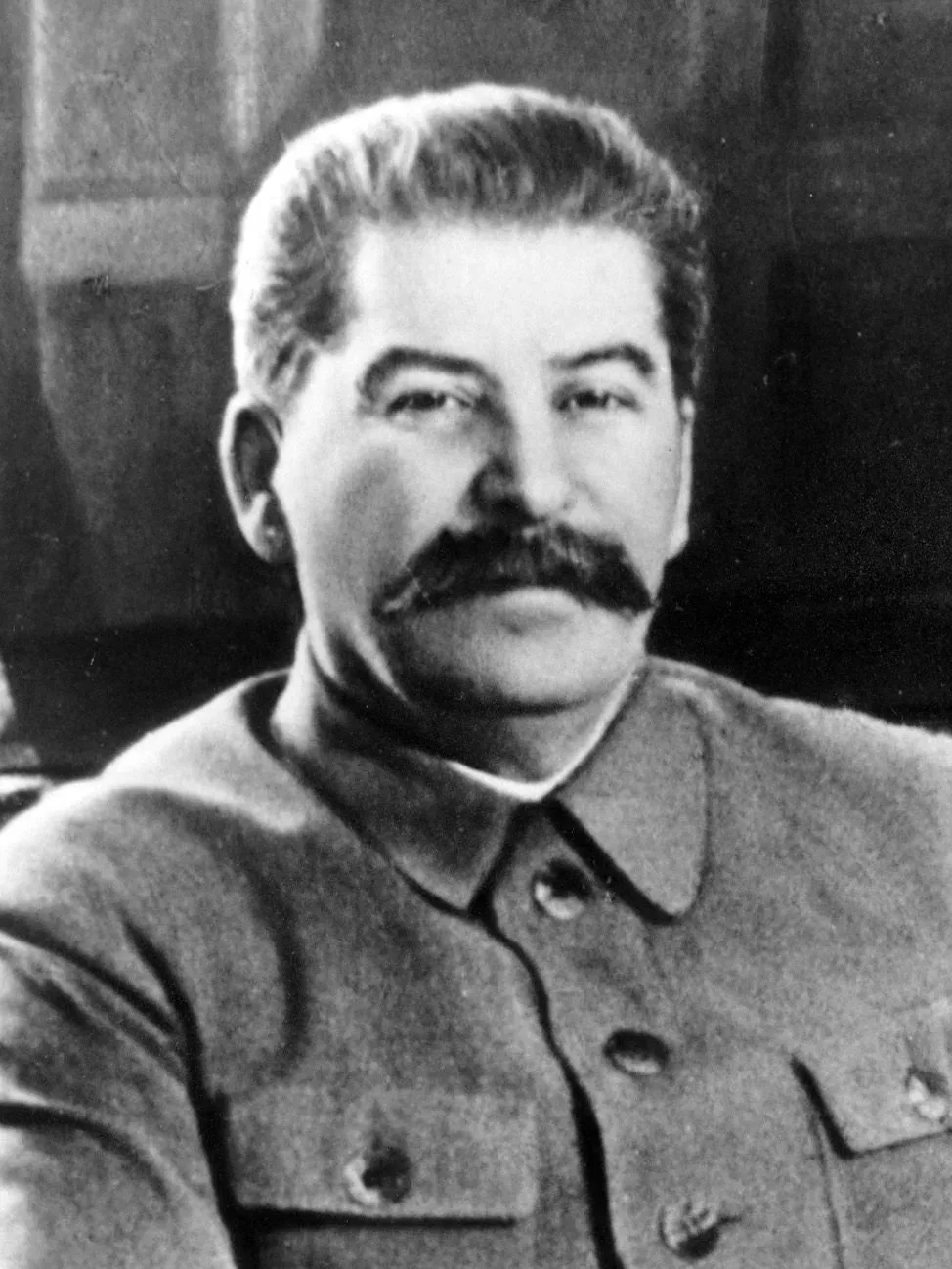
On 5 March 1953, Joseph Stalin died on the floor of his dacha, where he had lain unattended for the better part of a day. Nobody had dared go in to check.
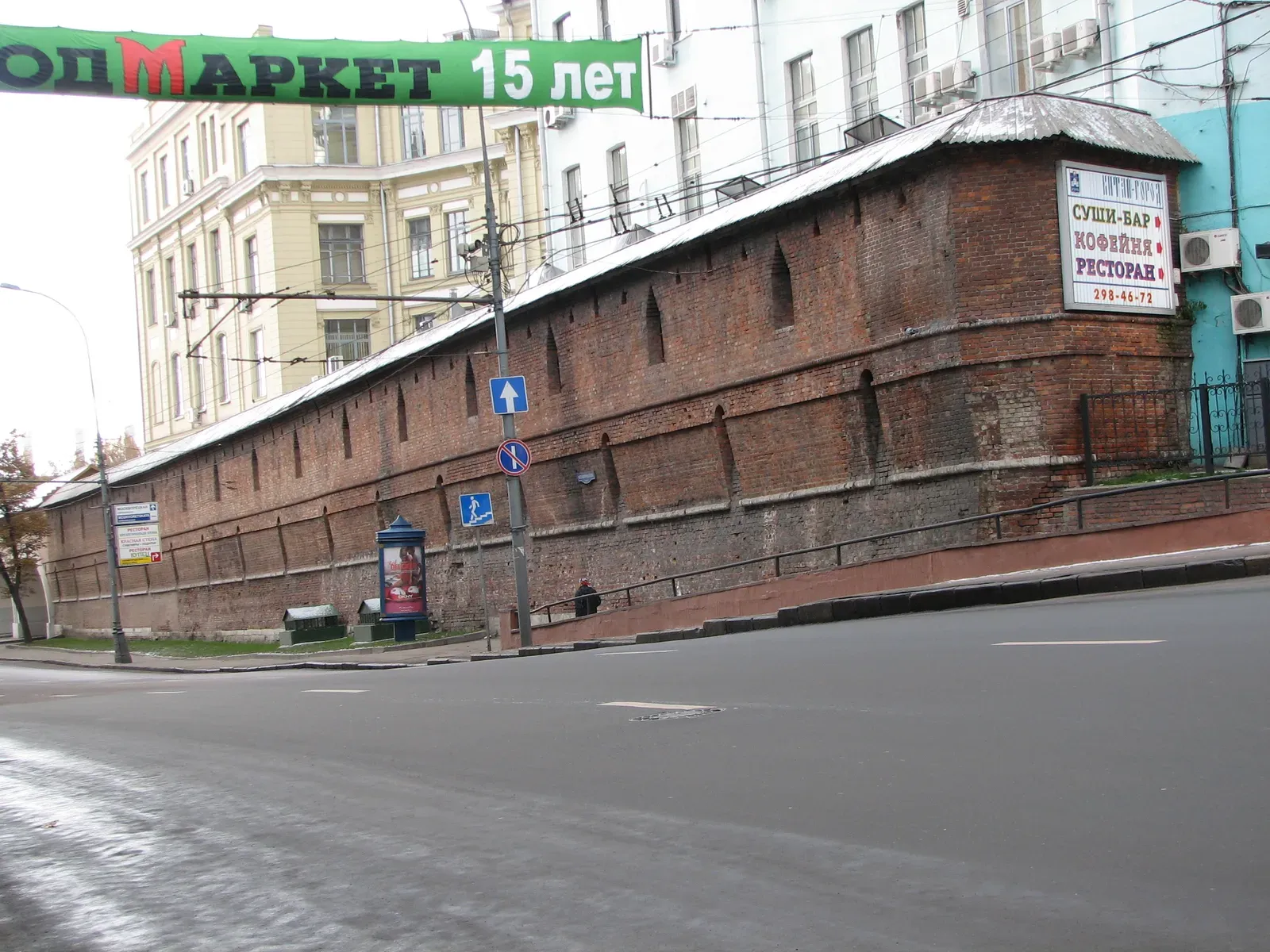
In the centre of Moscow, just east of the Kremlin, there is a district whose name translates as China City. It has never had anything to do with China.
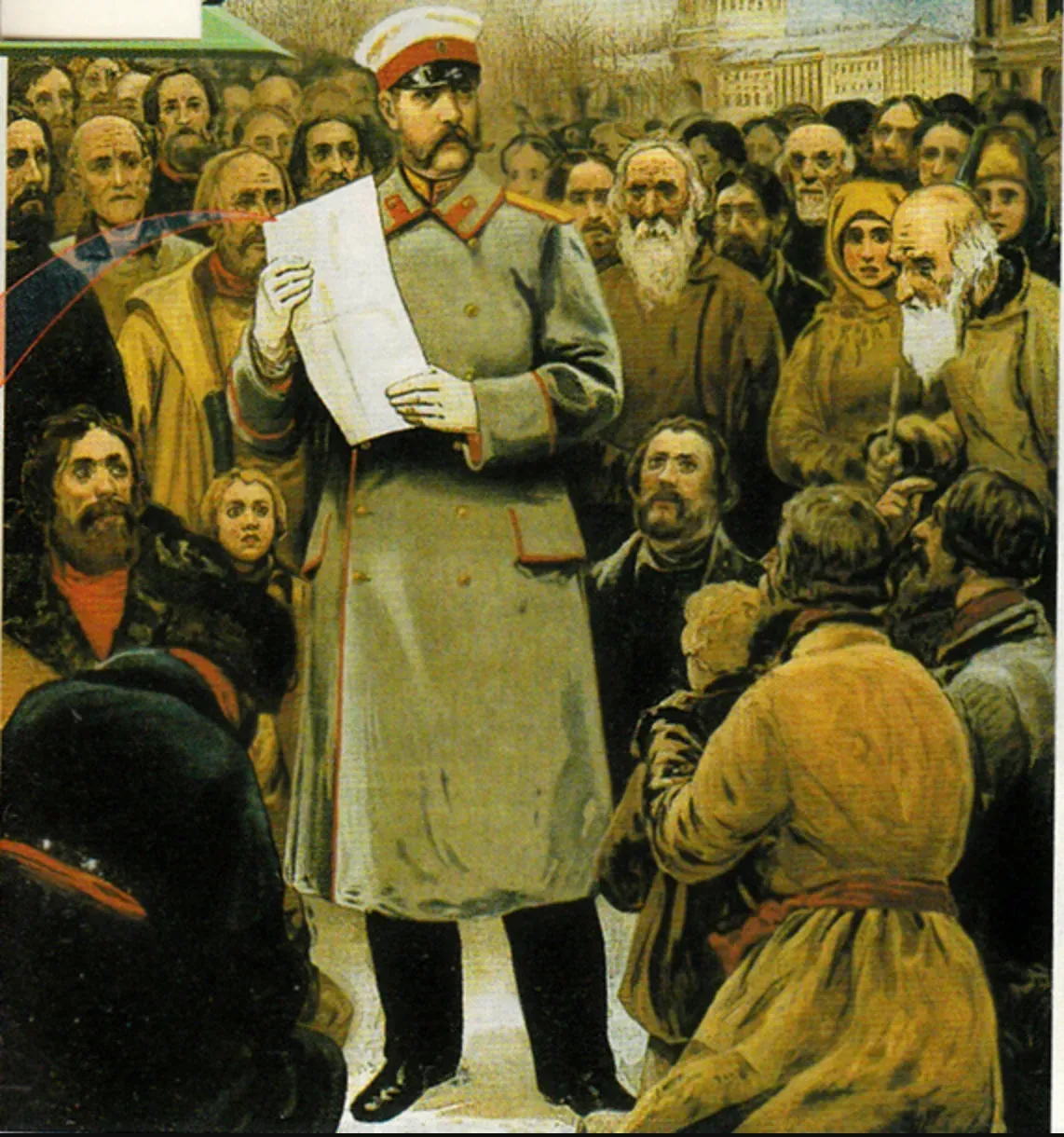
On 3 March 1861, Alexander II freed twenty-three million Russian serfs. For his troubles, he was blown apart by a bomb twenty years later. The country he tried to modernise would soon tear itself to pieces.