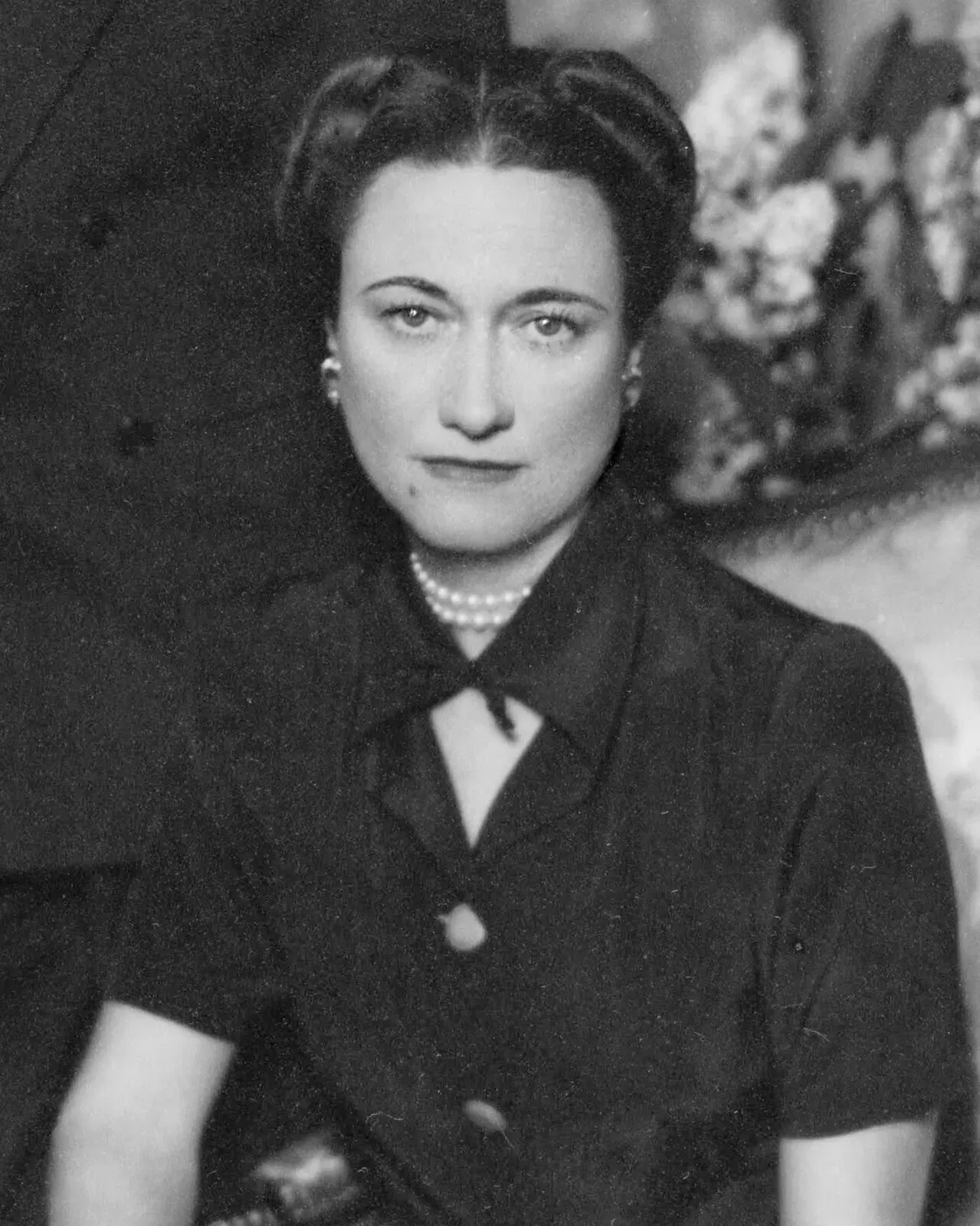
The Crown’s Accidental Salvation
On 3 June 1937, the Duke of Windsor married Wallis Simpson in France, months after abdicating the British throne. What was once condemned as a fatal blow to the monarchy paved the way for its modern survival.
Posts, updates, and occasional notes that sit alongside The Butterfly Effect.
On 3 June 1937, the Duke of Windsor married Wallis Simpson in France, months after abdicating the British throne. What was once condemned as a fatal blow to the monarchy paved the way for its modern survival.
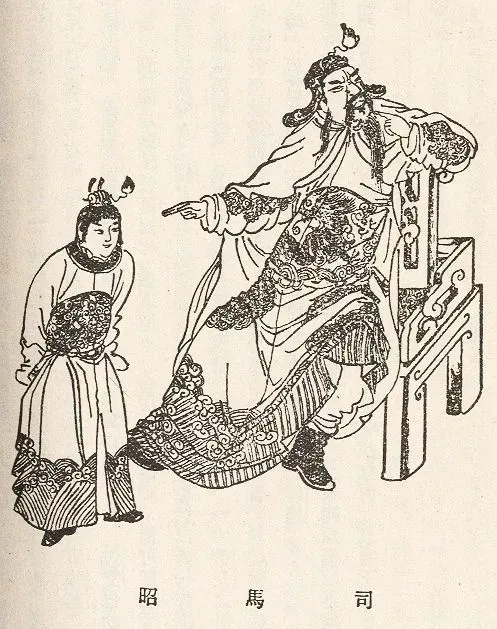
On 2 June 260, the young Cao Wei emperor Cao Mao led a desperate, suicidal coup against his all-powerful regent, Sima Zhao. His brutal public murder ended imperial resistance, but shattered the moral legitimacy of the rising Jin Dynasty.

On 1 June 1495, the first written record of Scotch whisky was entered into the Exchequer Rolls of Scotland. What began as a fiery monastic medicine has transformed into a global cultural icon and a high-performing investment asset.
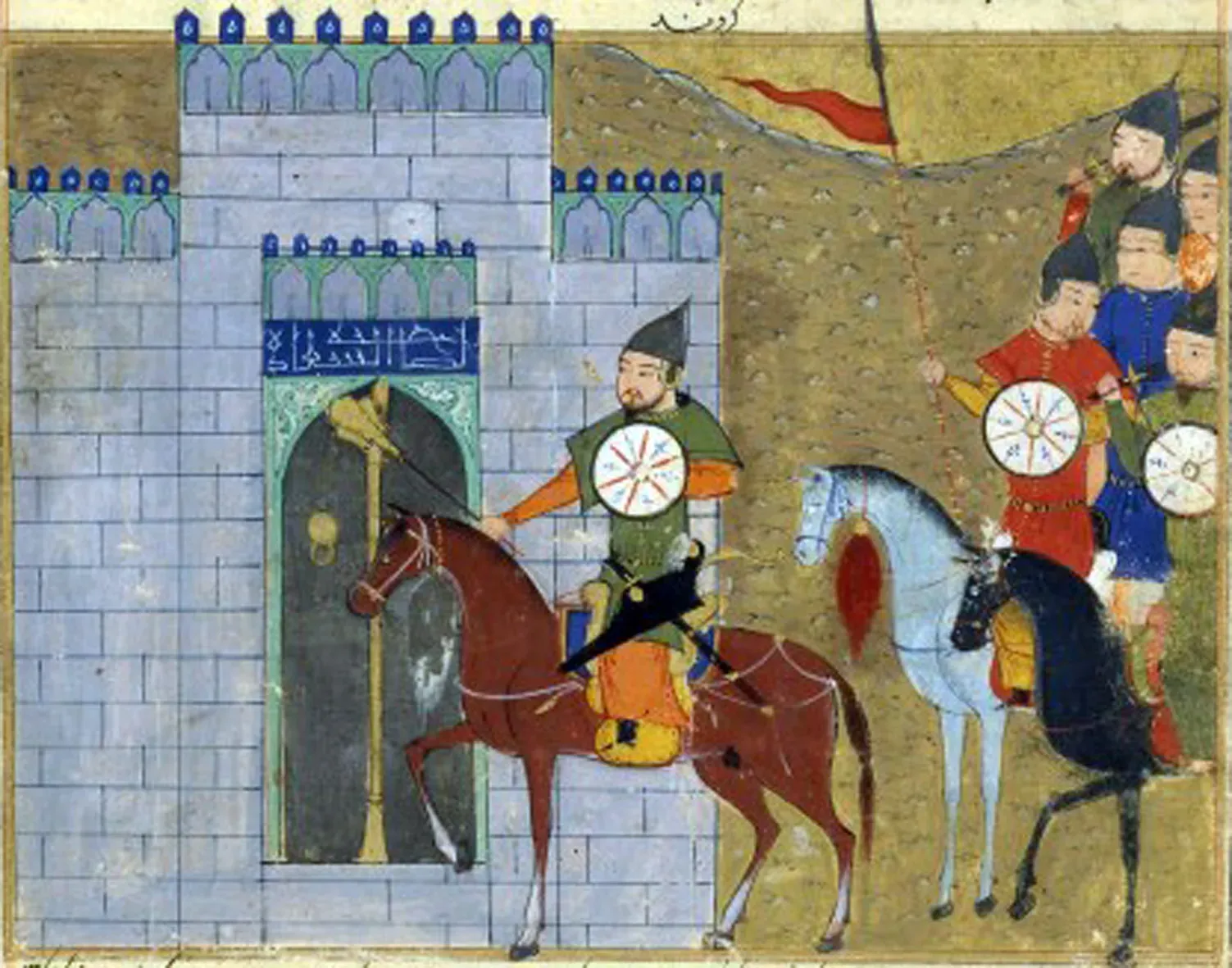
On 31 May 1215, Genghis Khan’s Mongols captured Zhongdu, the capital of the Jin Dynasty. It was the watershed moment when a nomadic steppe confederation acquired the siege technology, wealth, and administrative centre needed to build the largest contiguous land empire in history.
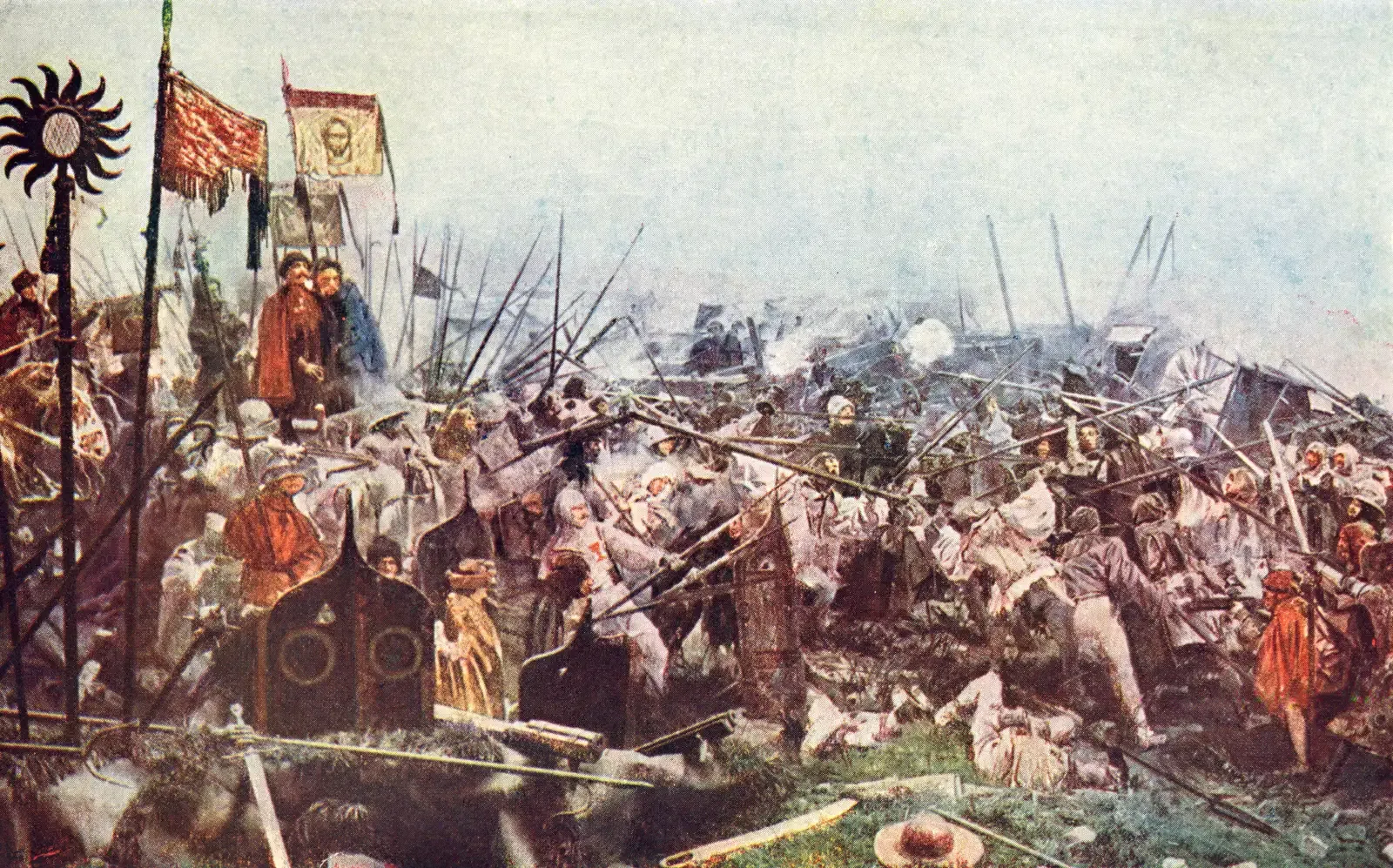
On 30 May 1434, the Battle of Lipany ended the Hussite Wars. By destroying the radical Taborites, a coalition of moderate Hussites and Catholics secured Bohemia's religious reforms through a pragmatic compromise, establishing Europe's first dual-faith state.
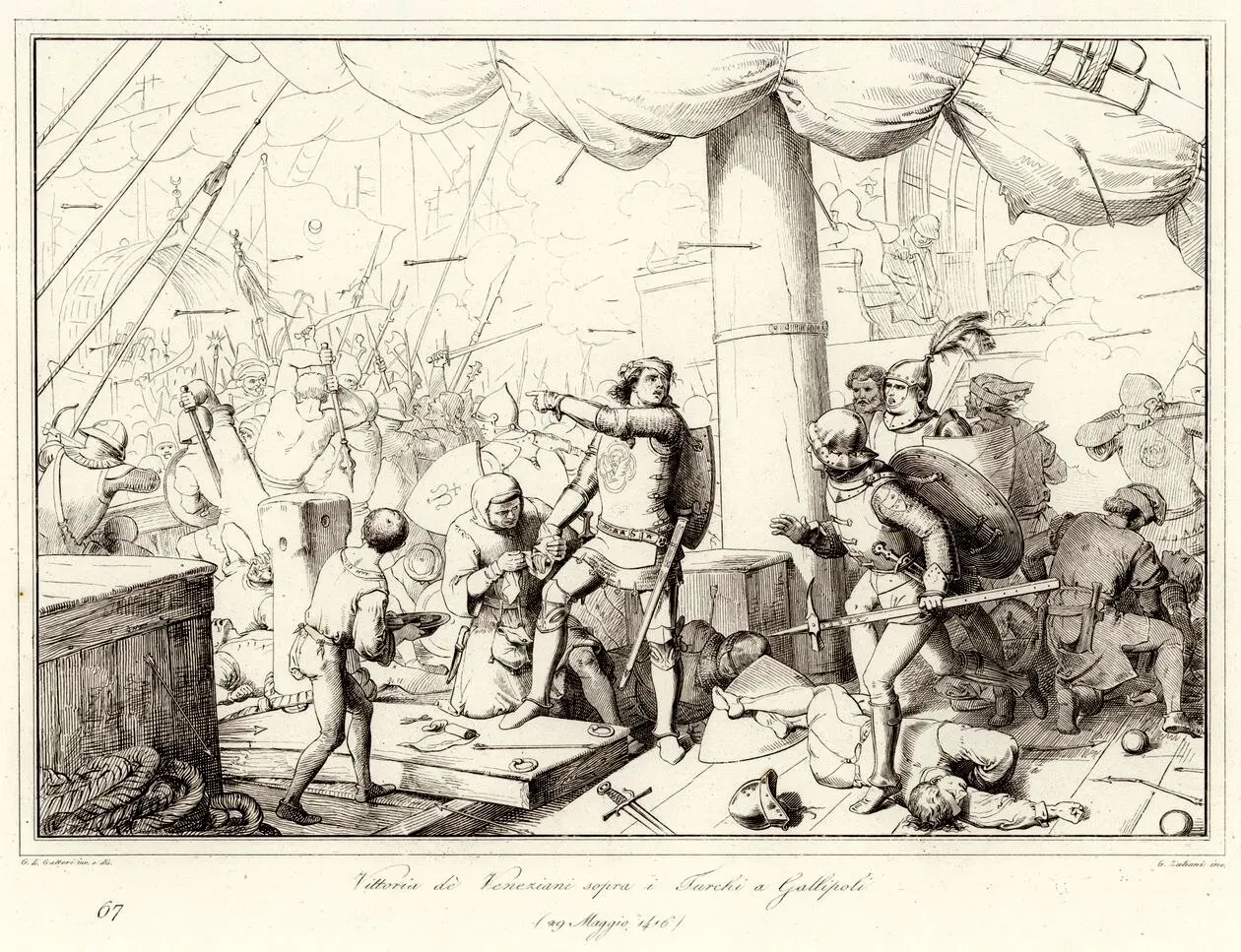
On 29 May 1416, a Venetian fleet under Pietro Loredan crushed a larger Ottoman armada off Gallipoli. The battle secured Venetian dominance in the Aegean, but it served as a wake-up call that forced the Ottoman Empire to modernize its navy, starting a 300-year struggle for the Mediterranean.
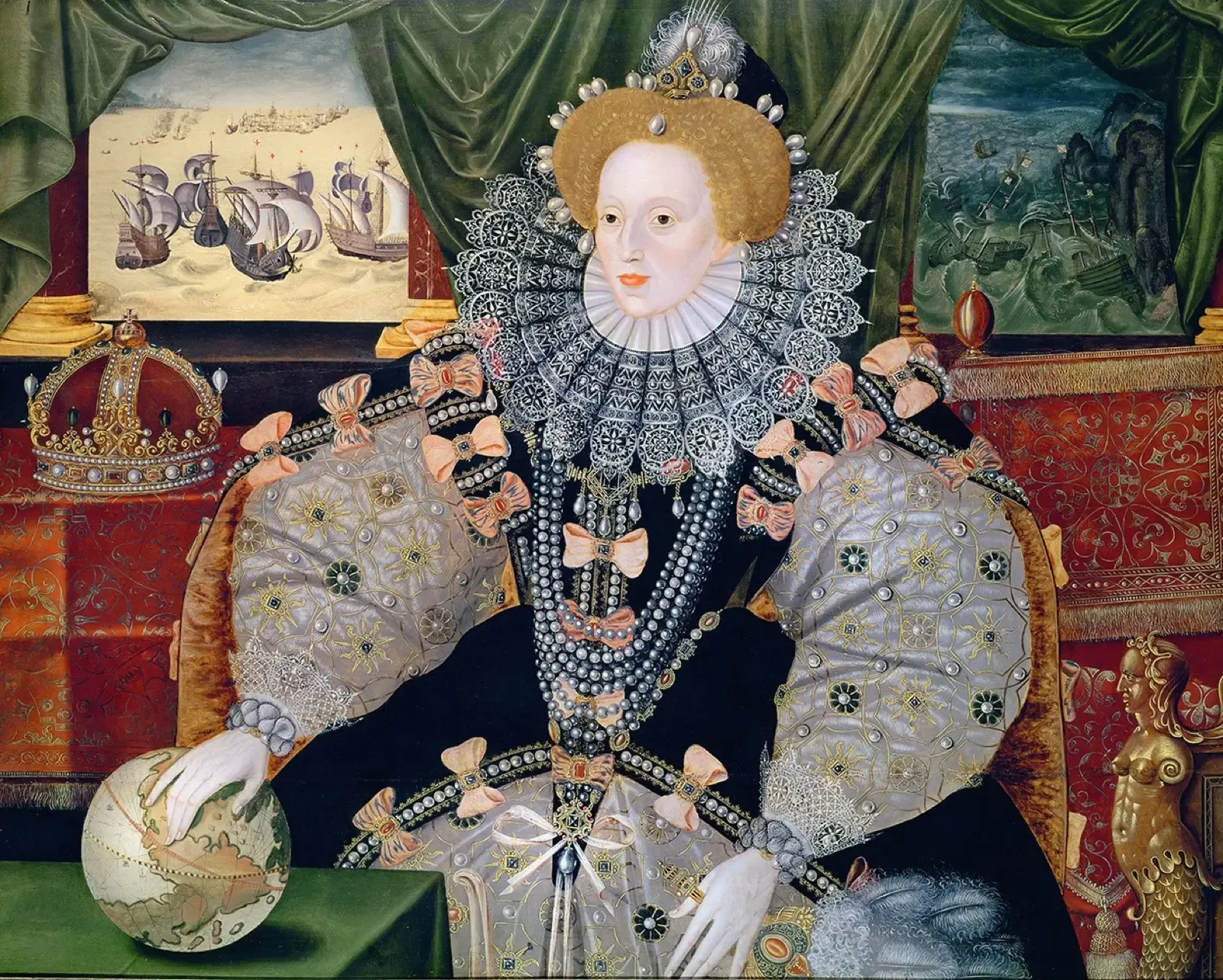
On 28 May 1588, the Spanish Armada set sail from Lisbon, Portugal, bound for the English Channel. King Philip II sent 130 ships and 30,000 men on a holy crusade, convinced that divine favour would override the brutal realities of naval technology, geography, and weather.
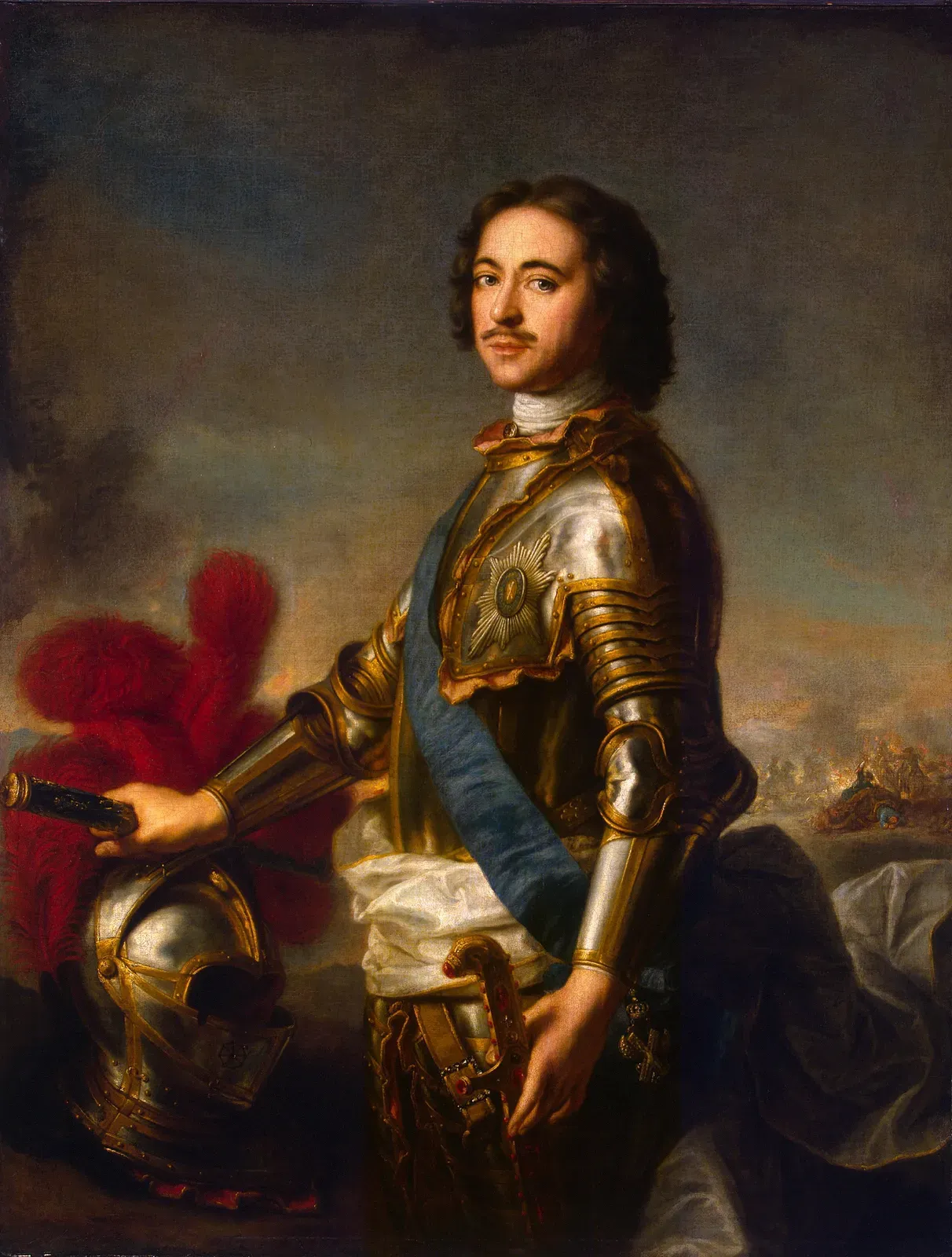
On 27 May 1703, Peter the Great ordered a fortress built on a swamp at the mouth of the Neva. The city that rose from it would run the Russian Empire for 215 years and cost tens of thousands of lives just to construct.
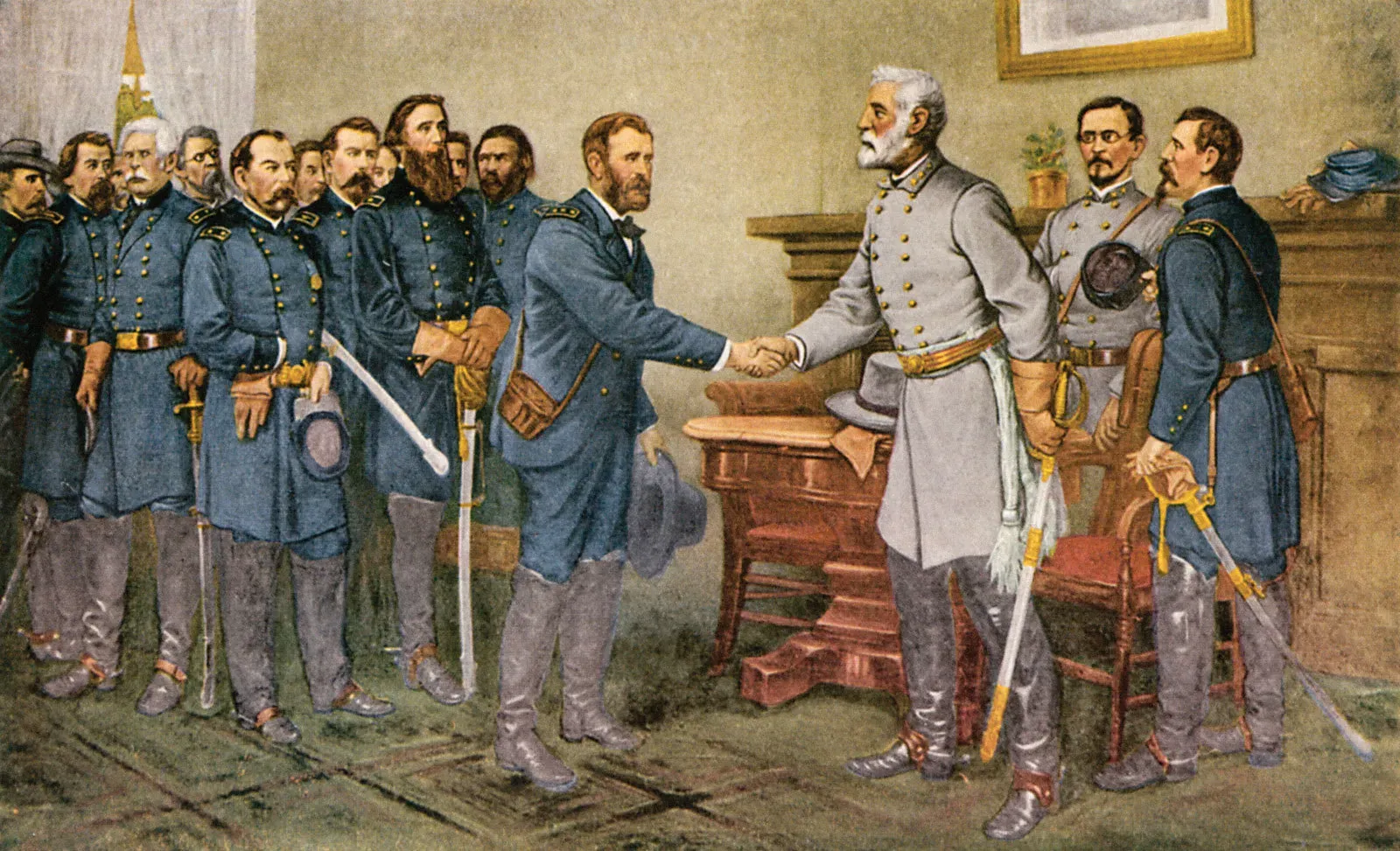
On 26 May 1865, the surrender of General Edmund Kirby Smith's Trans-Mississippi Department brought a formal end to the American Civil War. But while the ink dried on the surrender terms, the deep cultural and political fractures of the conflict were only just beginning to define modern America.
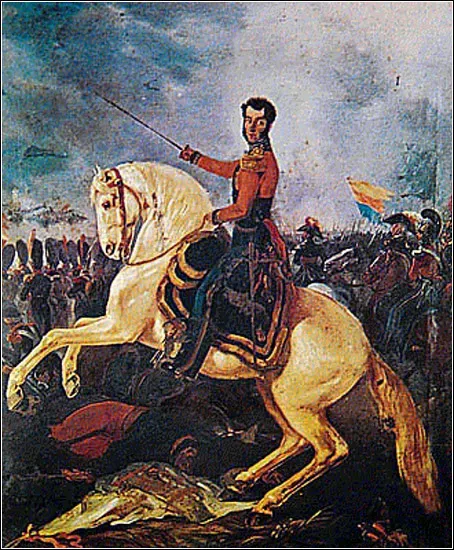
On 25 May 1809, the Spanish Empire began to die of a syllogism. In the university city of Chuquisaca, a group of local lawyers and judges used their legal training to commit a brilliant act of intellectual treason, sparking the Latin American wars of independence.