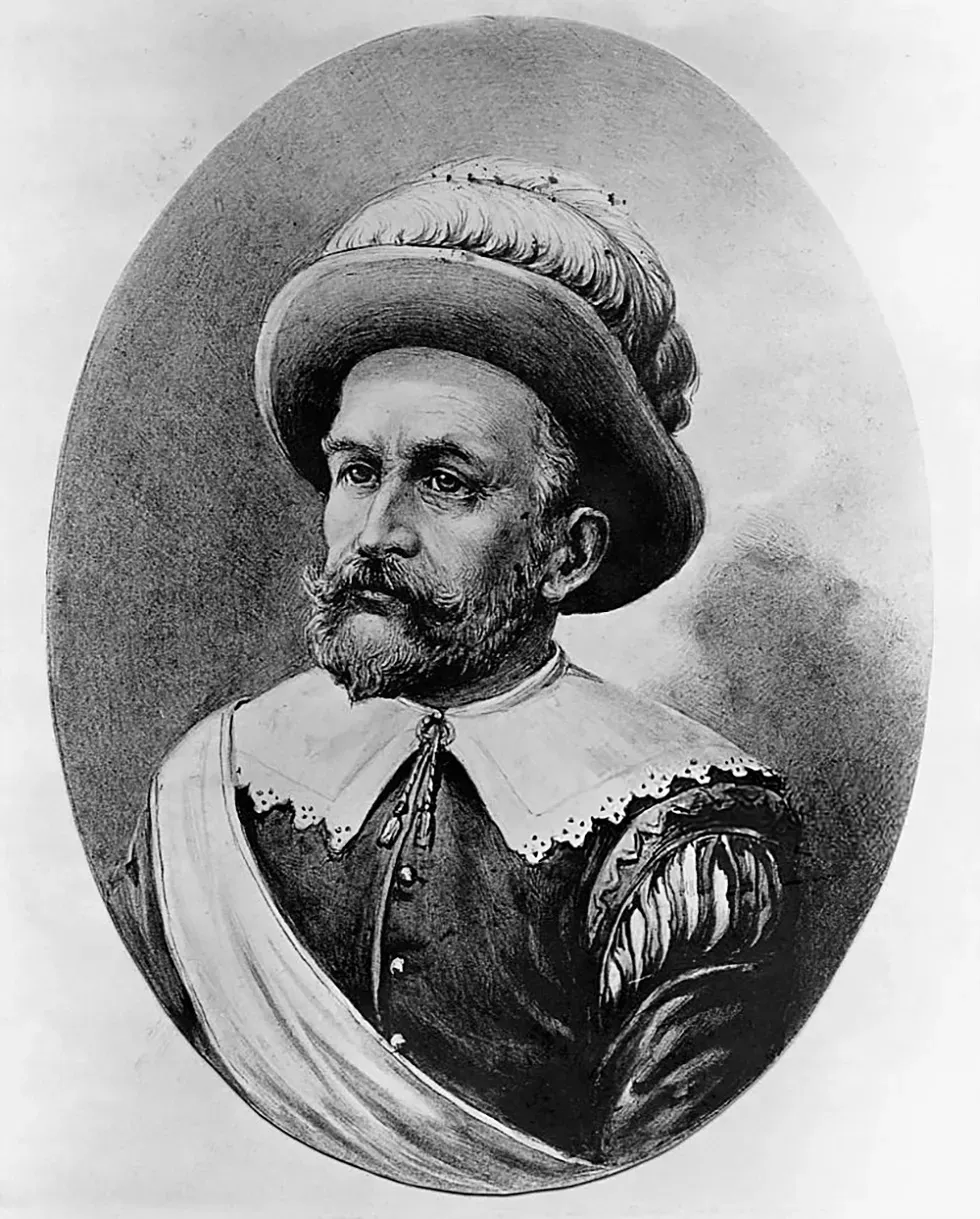
The Greatest Real Estate Deal in History
On 24 May 1626, Peter Minuit bought Manhattan Island for 60 guilders worth of trade goods — roughly $1,143 in today's money. Donald Trump has been called the world's greatest dealmaker. He was not even close.
Posts, updates, and occasional notes that sit alongside The Butterfly Effect.
On 24 May 1626, Peter Minuit bought Manhattan Island for 60 guilders worth of trade goods — roughly $1,143 in today's money. Donald Trump has been called the world's greatest dealmaker. He was not even close.
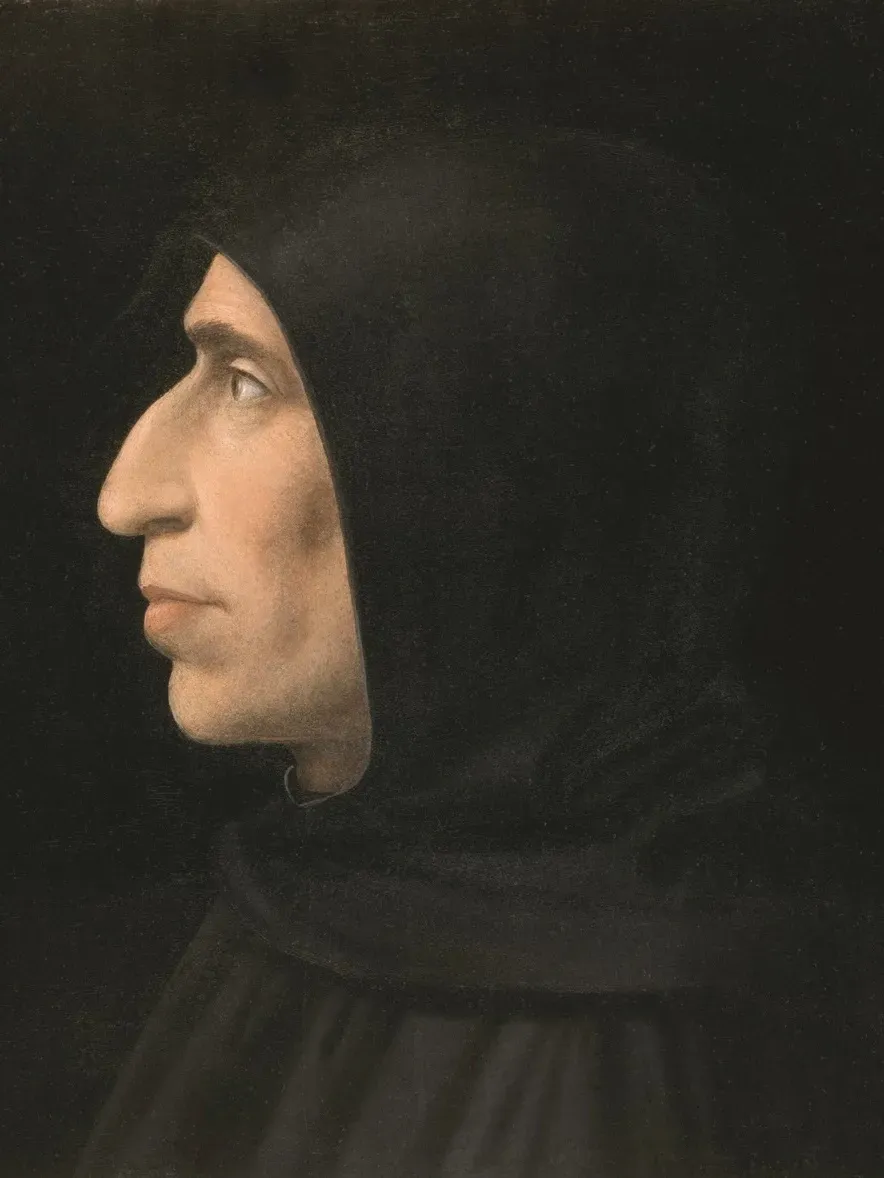
On 23 May 1498, Girolamo Savonarola was hanged and burned in Florence. His rise as a democratic theocrat and his fall under a corrupt pope expose the dark populist currents of the Renaissance and the birth of modern realpolitik.
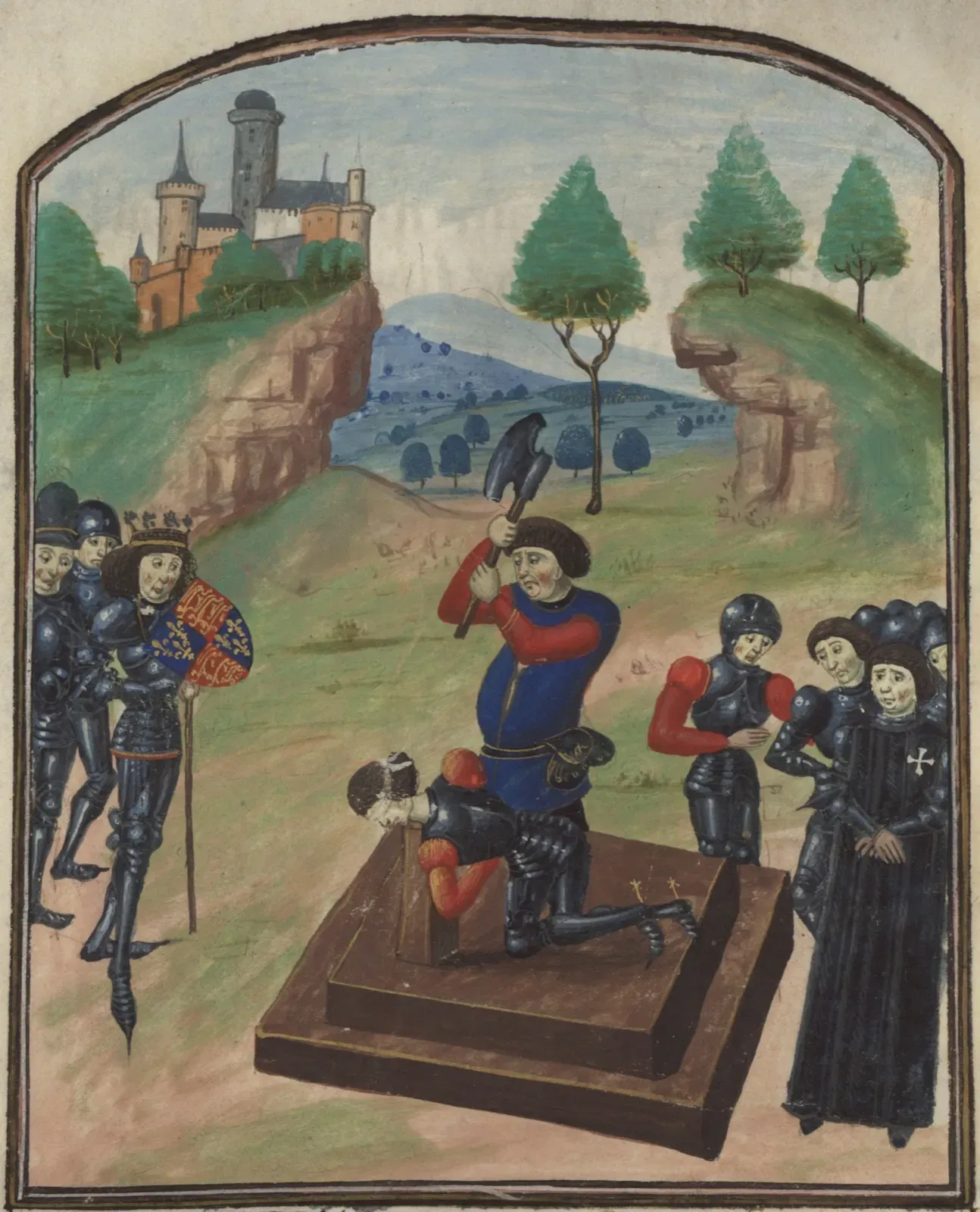
On 22 May 1455, Richard Duke of York defeated and captured King Henry VI at the First Battle of St Albans, opening thirty years of dynastic warfare. Nobody who fought those wars expected them to produce Henry Tudor, a centralised state, and the English Renaissance.
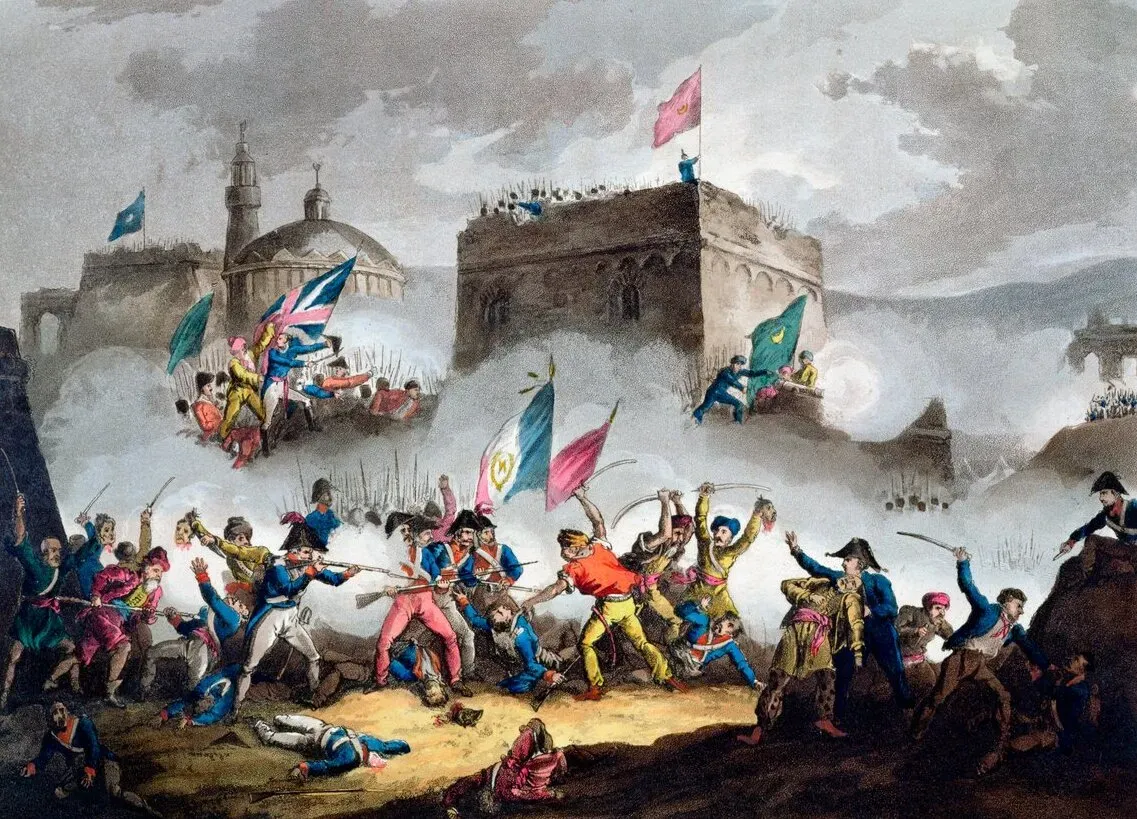
On 21 May 1799, Napoleon Bonaparte abandoned the siege of Acre after two months of failed assaults and retreated to Egypt. Three months later he abandoned his army entirely and sailed for France. In any other era, that would have ended his career.
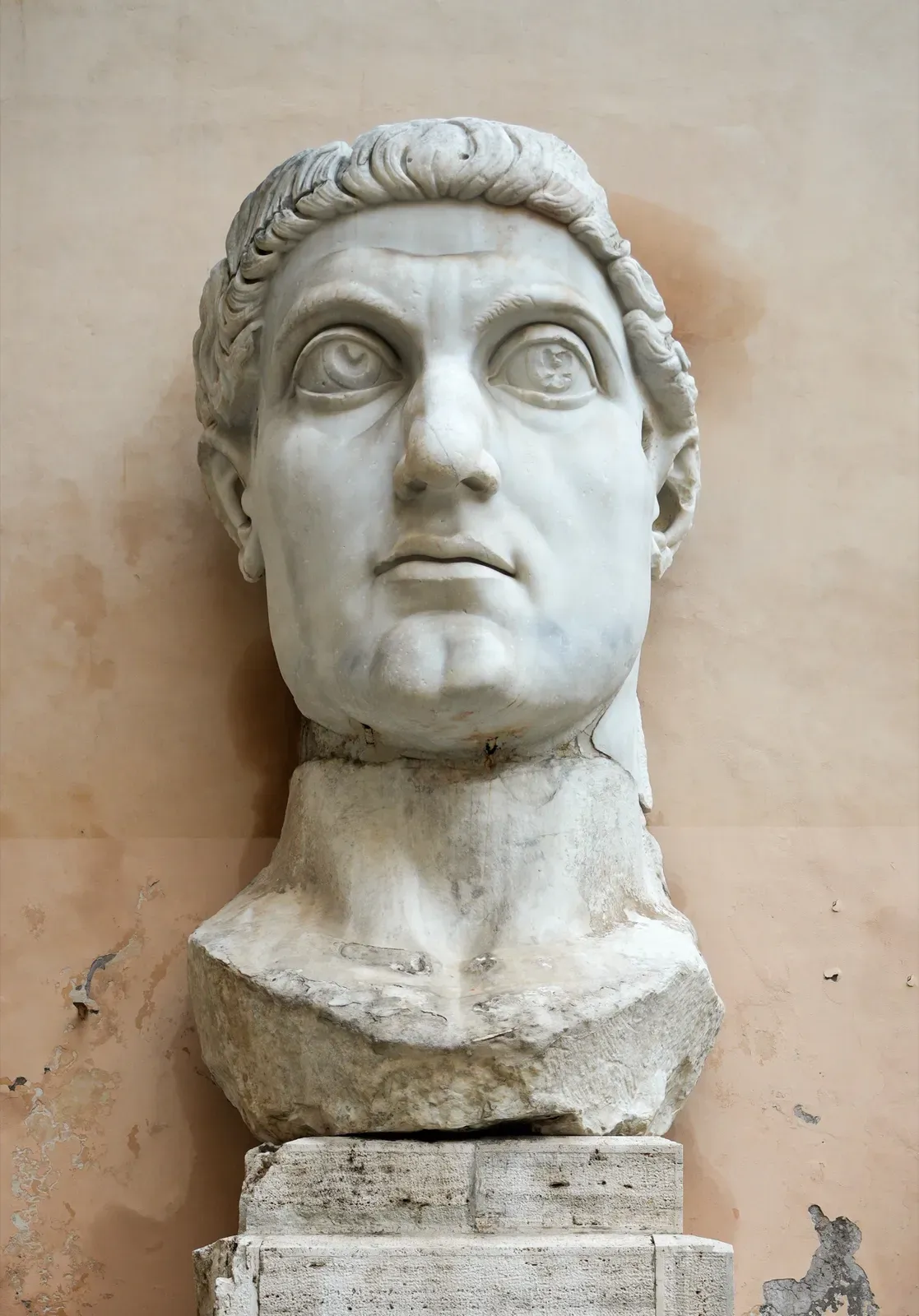
On 20 May 325, the Emperor Constantine convened roughly 300 bishops at Nicaea to end a theological dispute that was threatening imperial unity. The creed they drafted is still recited in churches today. The argument they tried to close took another fifty years to resolve.
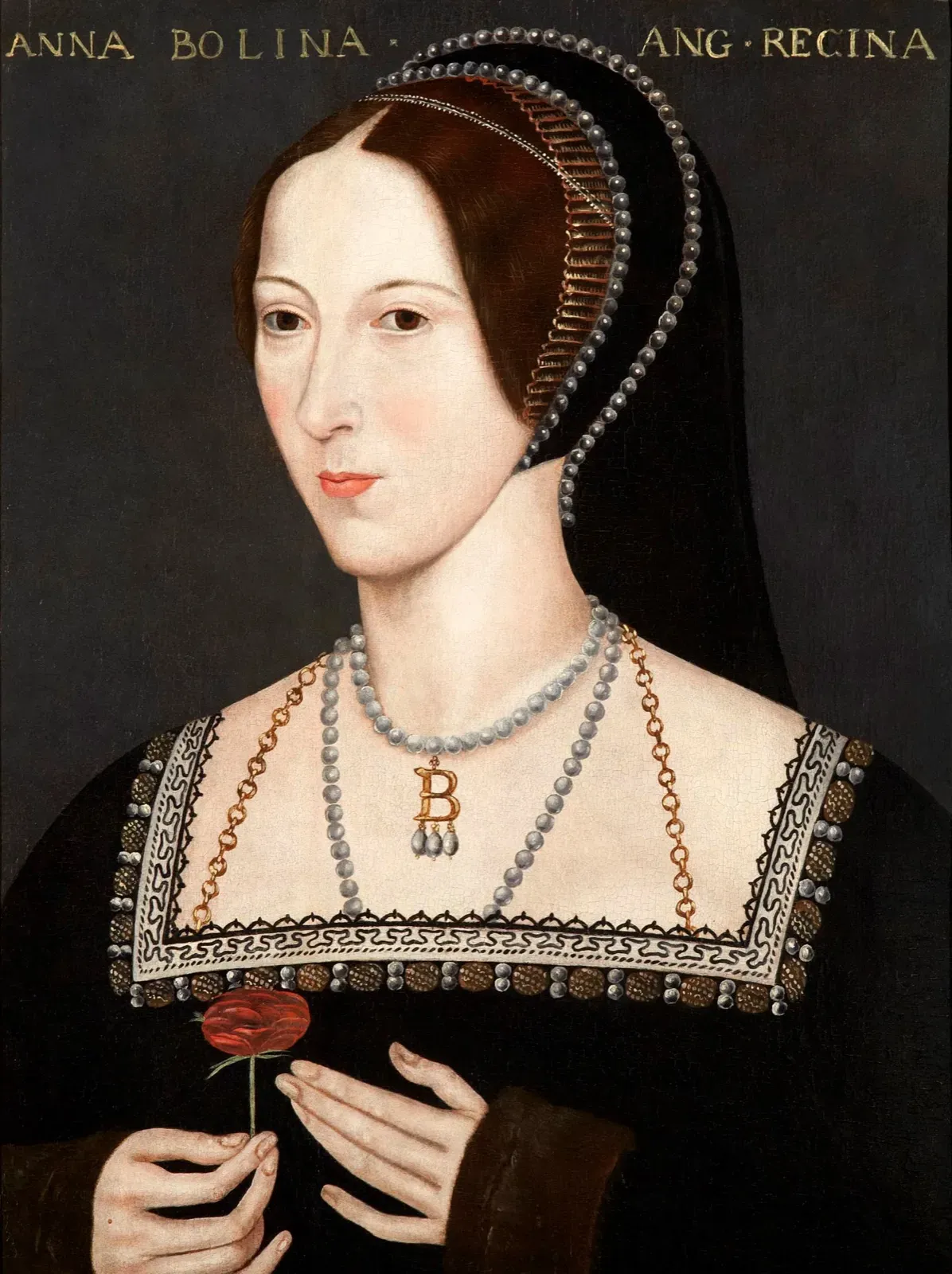
On 19 May 1536, Anne Boleyn was beheaded on Tower Green for crimes everyone knew she had not committed. The execution cleared a path for Jane Seymour, but the real inheritance was a bastard daughter who would rule England for forty-five years.
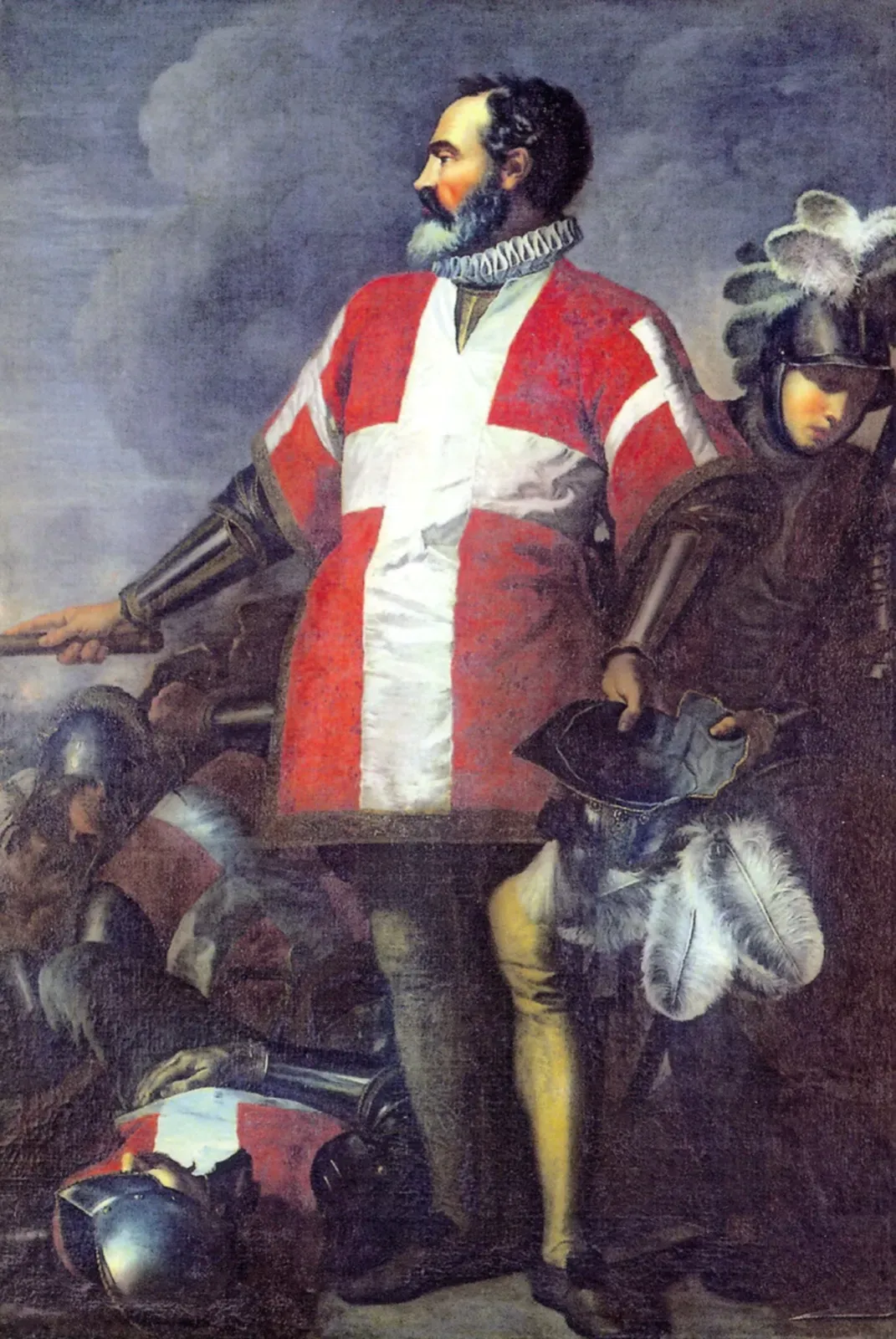
On 18 May 1565, Suleiman the Magnificent sent 40,000 men to take Malta. A handful of Knights and Maltese held them for four months. The bill for a single small fort should have told the Ottomans everything.
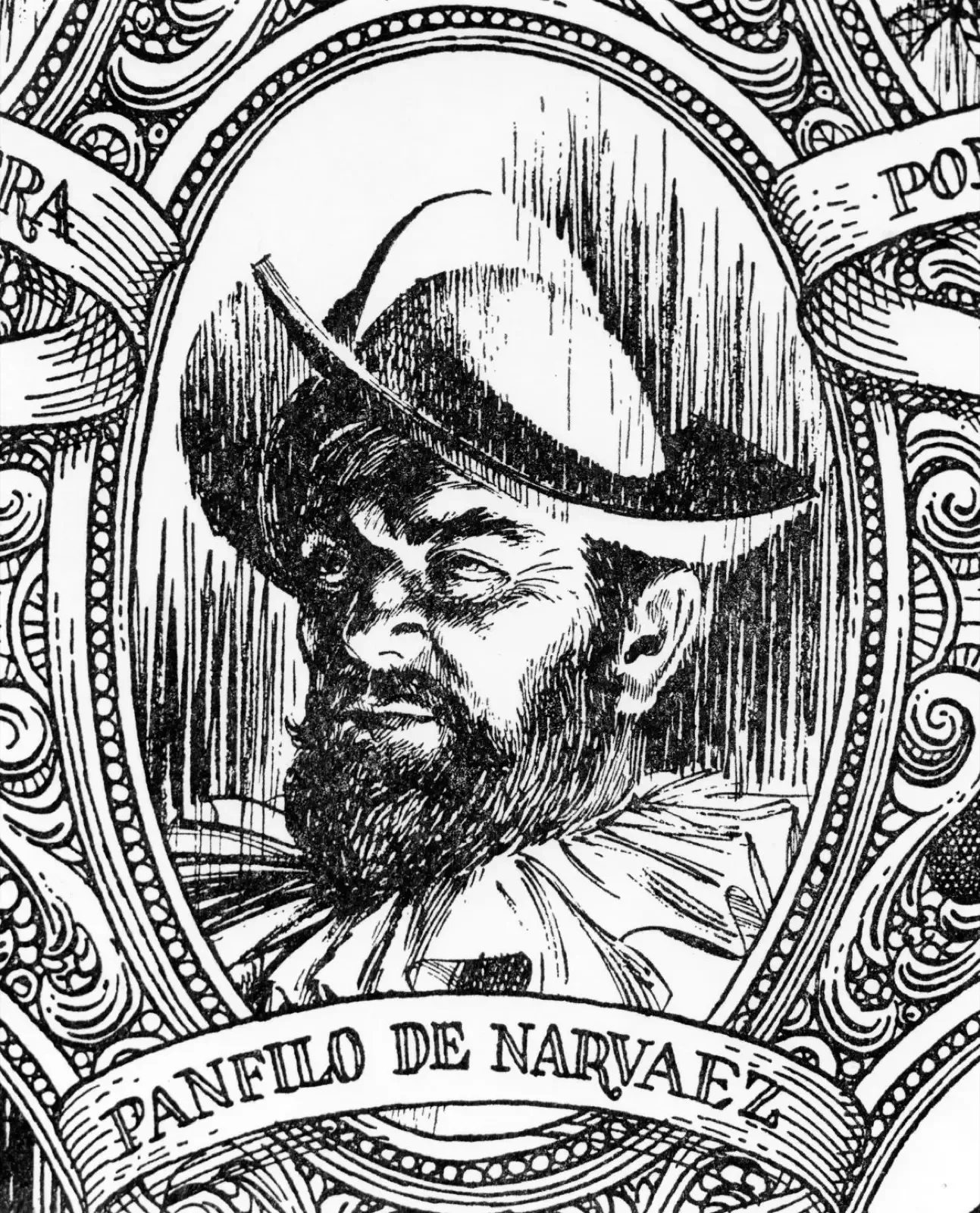
On 17 May 1527, Pánfilo de Narváez departed Spain with 600 men to colonise the Gulf Coast of Florida. By 1536, four of them had made it back. The rest died in swamps, hurricanes, arrow attacks, and on a barrier island in Texas that the survivors named the Island of Misfortune.
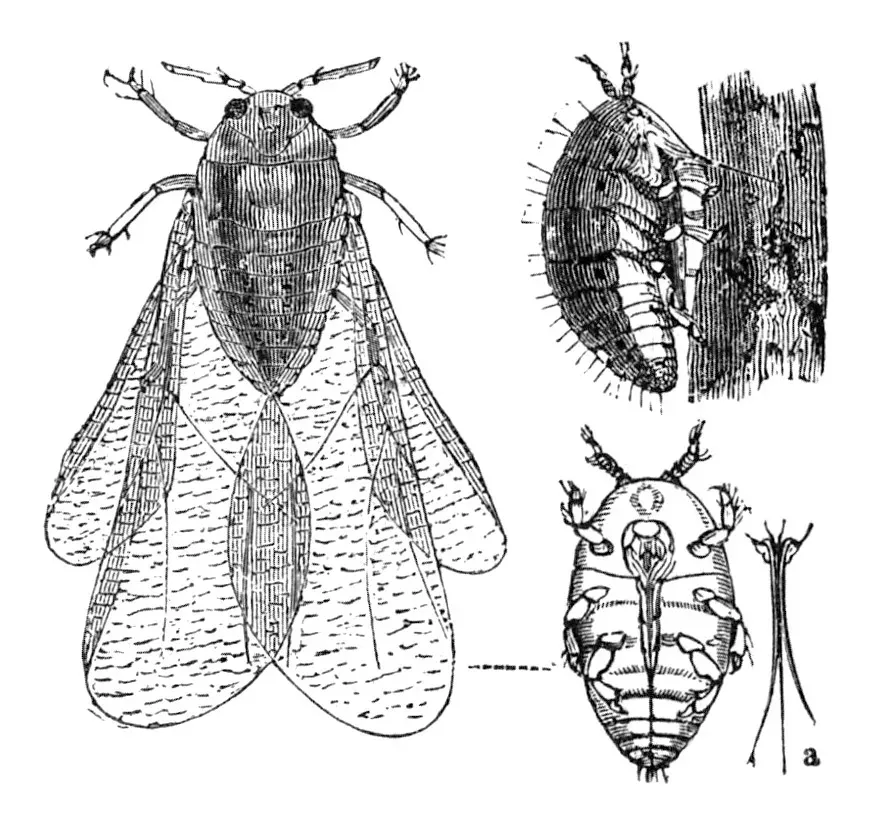
Almost every vineyard in Europe today dates from after the 1860s. The reason is a tiny American insect called phylloxera, which arrived with well-meaning botanists and proceeded to kill nearly every grapevine on the continent. There is still no cure.
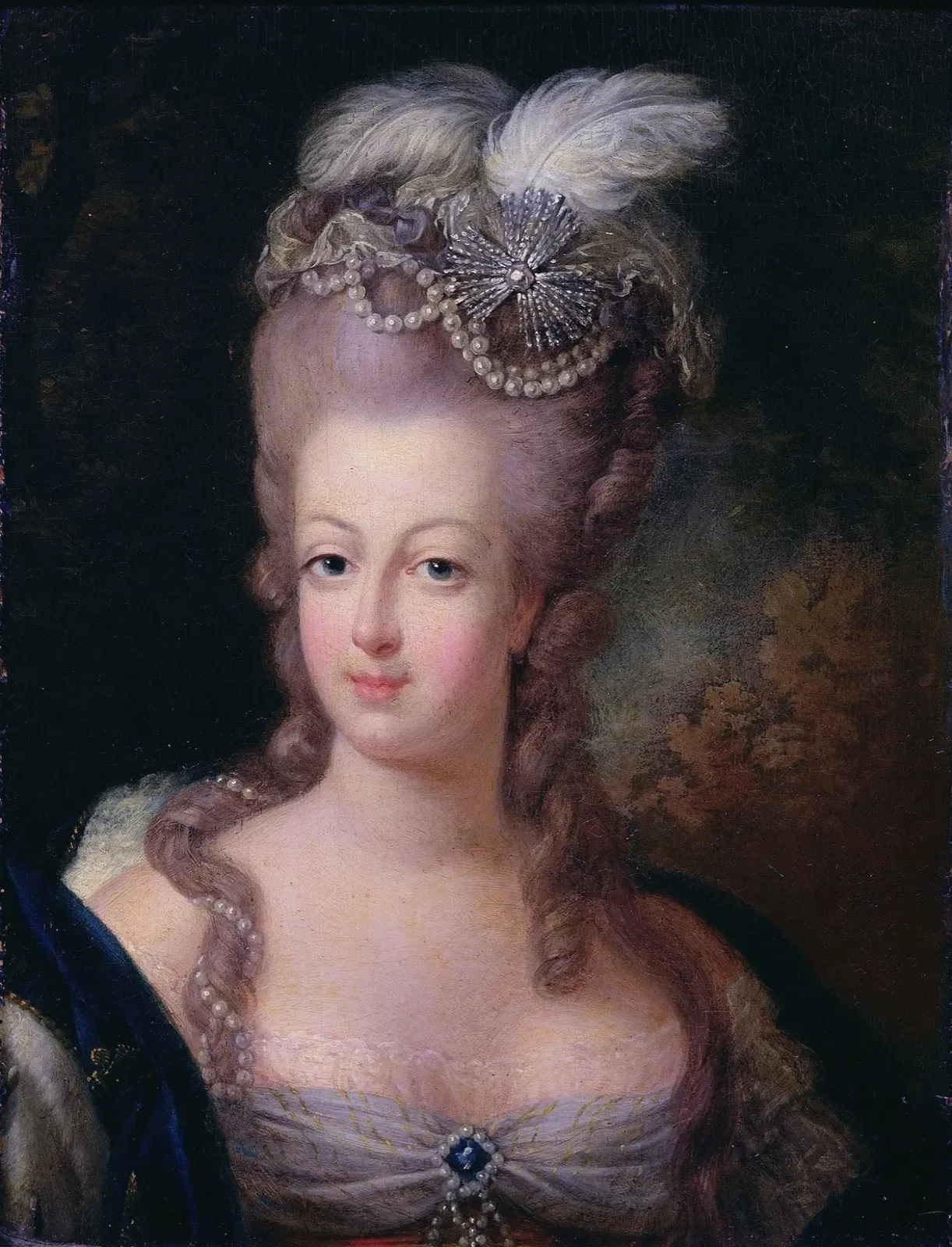
On 16 May 1770, Marie Antoinette and Louis-Auguste married at Versailles. She was 14, he was 15, and they would fail to consummate the marriage for the next seven years. The consequences were not nothing.