Father of the Fatherland
On 4 February 2 BC, the Roman Senate hailed Augustus as Pater Patriae — Father of the Fatherland. He had been ruling Rome for thirty years. He wept.
Blogs, essays, updates, and occasional notes that sit alongside The Butterfly Effect.
On 4 February 2 BC, the Roman Senate hailed Augustus as Pater Patriae — Father of the Fatherland. He had been ruling Rome for thirty years. He wept.
On 4th February 1794, the French National Convention abolished slavery throughout all territories of the First Republic — a revolutionary act that would shape colonial policy for generations.
On 3 February 1488, Bartolomeu Dias landed at Mossel Bay after rounding the Cape of Good Hope. Twenty-one years later to the day, Portuguese cannon settled who would rule the Indian Ocean.
On 2 February 1626, Charles I was crowned at Westminster Abbey. His reign ended on a scaffold — and began the slow, violent invention of parliamentary democracy.
On 1 February 1979, Ayatollah Khomeini flew home from Paris and Iran changed for ever. Forty-seven years later, the regime he built is under more pressure than at any point since. It may not matter.
On 6 January 1066, Harold Godwinson was crowned King of England in Westminster Abbey, the day after Edward the Confessor died. Nine months and eight days later, he was dead at Senlac Hill, and England would never speak the same language again.
On 5 January 1592, Shah Jahan was born in Lahore. He would build the most recognisable building on earth, preside over a quarter of global GDP, and spend his final eight years imprisoned in a tower with a direct view of the monument he had raised for his dead wife.
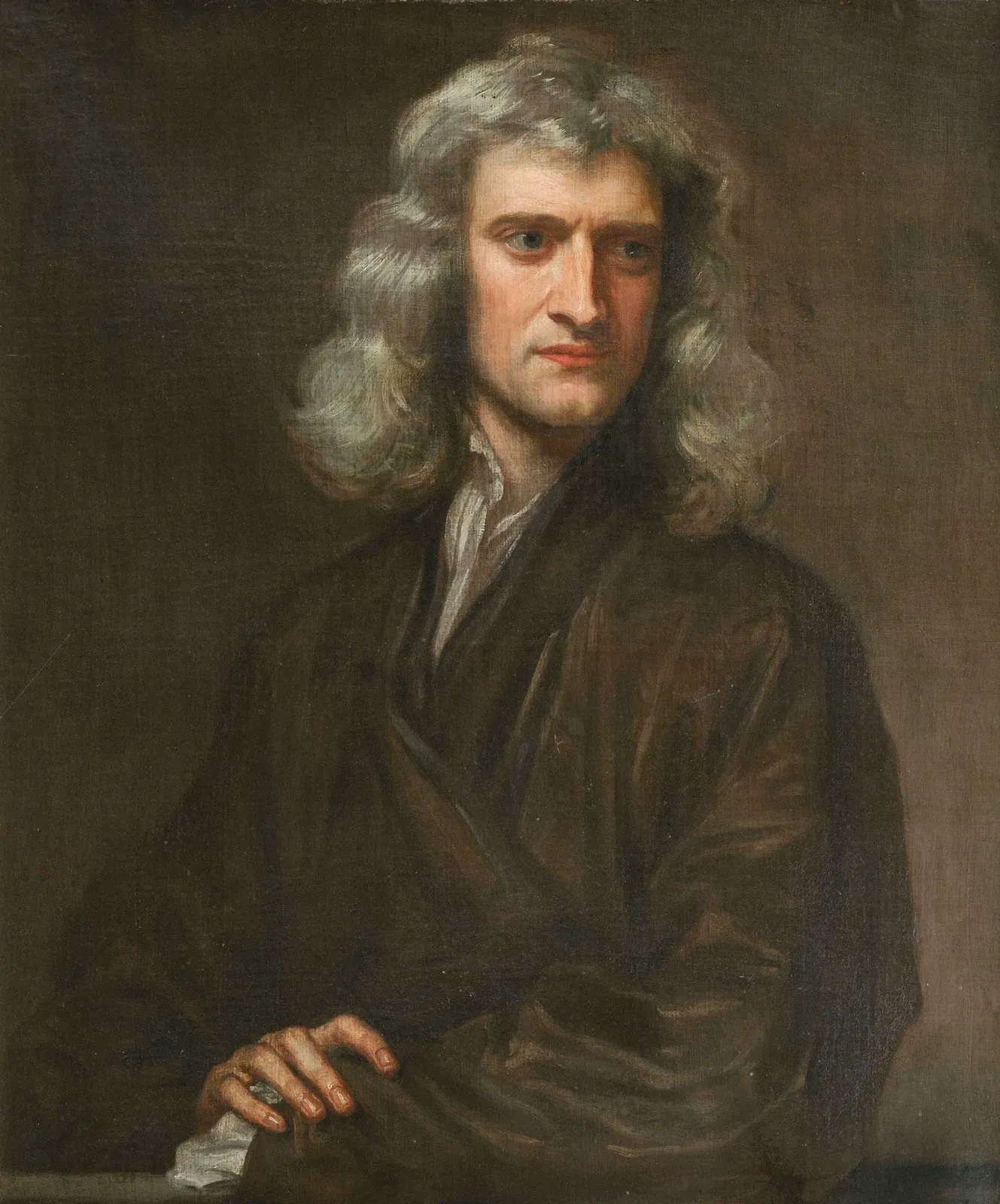
On 4 January 1643, Isaac Newton was born in a hamlet in Lincolnshire - a premature, posthumous child who would go on to invent calculus, write the greatest physics book ever published, and spend thirty years looking for the philosopher's stone.
On 3rd January 1833, Captain James Onslow sailed HMS Clio into Port Louis and told the Argentine commander to take down his flag and leave. It was not the first time someone had done this, and it would not be the last.
On 2nd January 1492, Boabdil - the last Sultan of Granada - handed the keys of the Alhambra to Ferdinand and Isabella, ending 781 years of Muslim rule in Iberia. The same year: Jews expelled, Columbus sets sail. One morning opened a very long sequence.