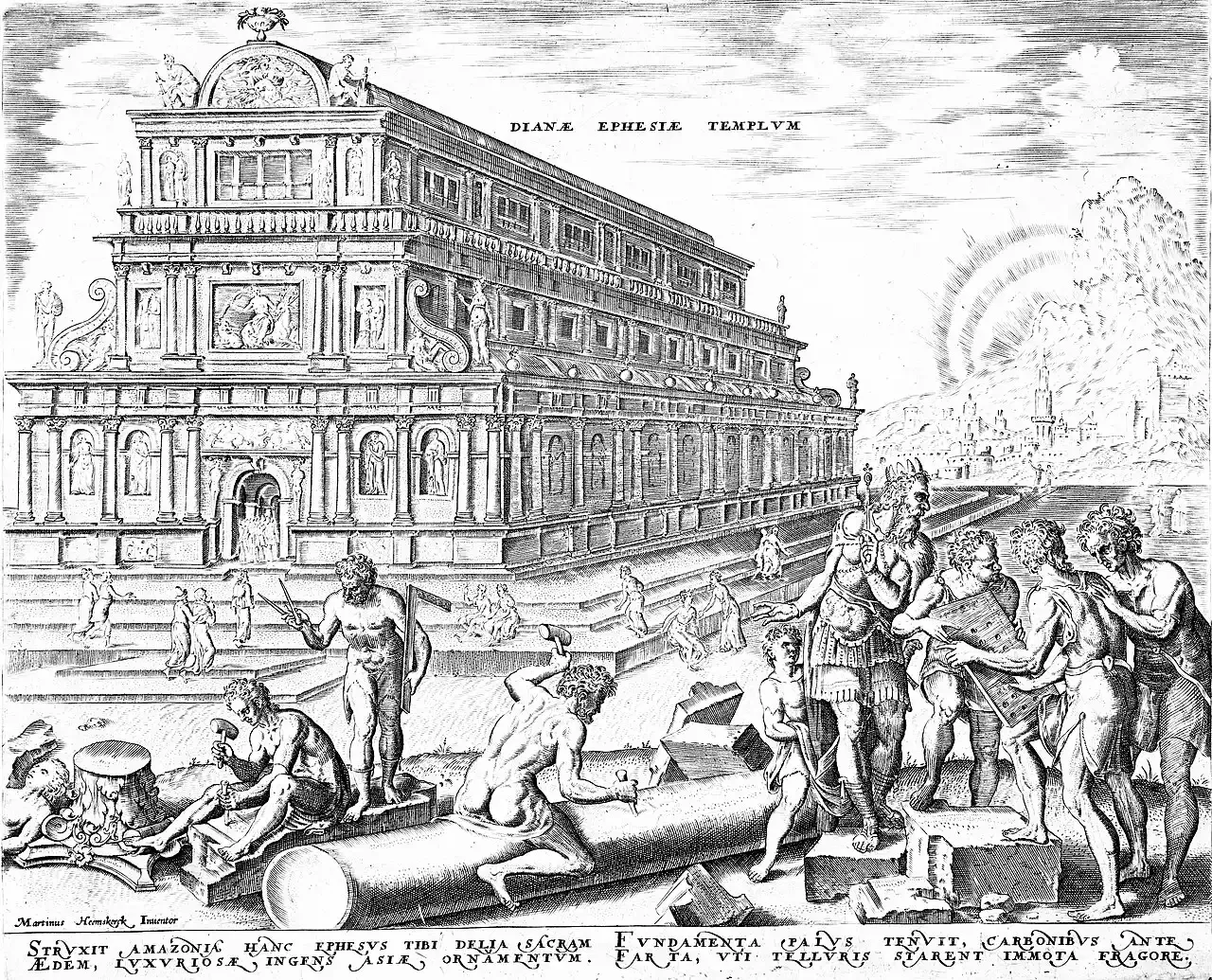
Fame Prepared in Flames
On 21 July 356 BC, Herostratus burned the Temple of Artemis at Ephesus - one of the Seven Wonders - so the world would know his name. Ephesus banned that name. The ban failed. The bargain is still on offer.
Posts, updates, and occasional notes that sit alongside The Butterfly Effect.
On 21 July 356 BC, Herostratus burned the Temple of Artemis at Ephesus - one of the Seven Wonders - so the world would know his name. Ephesus banned that name. The ban failed. The bargain is still on offer.
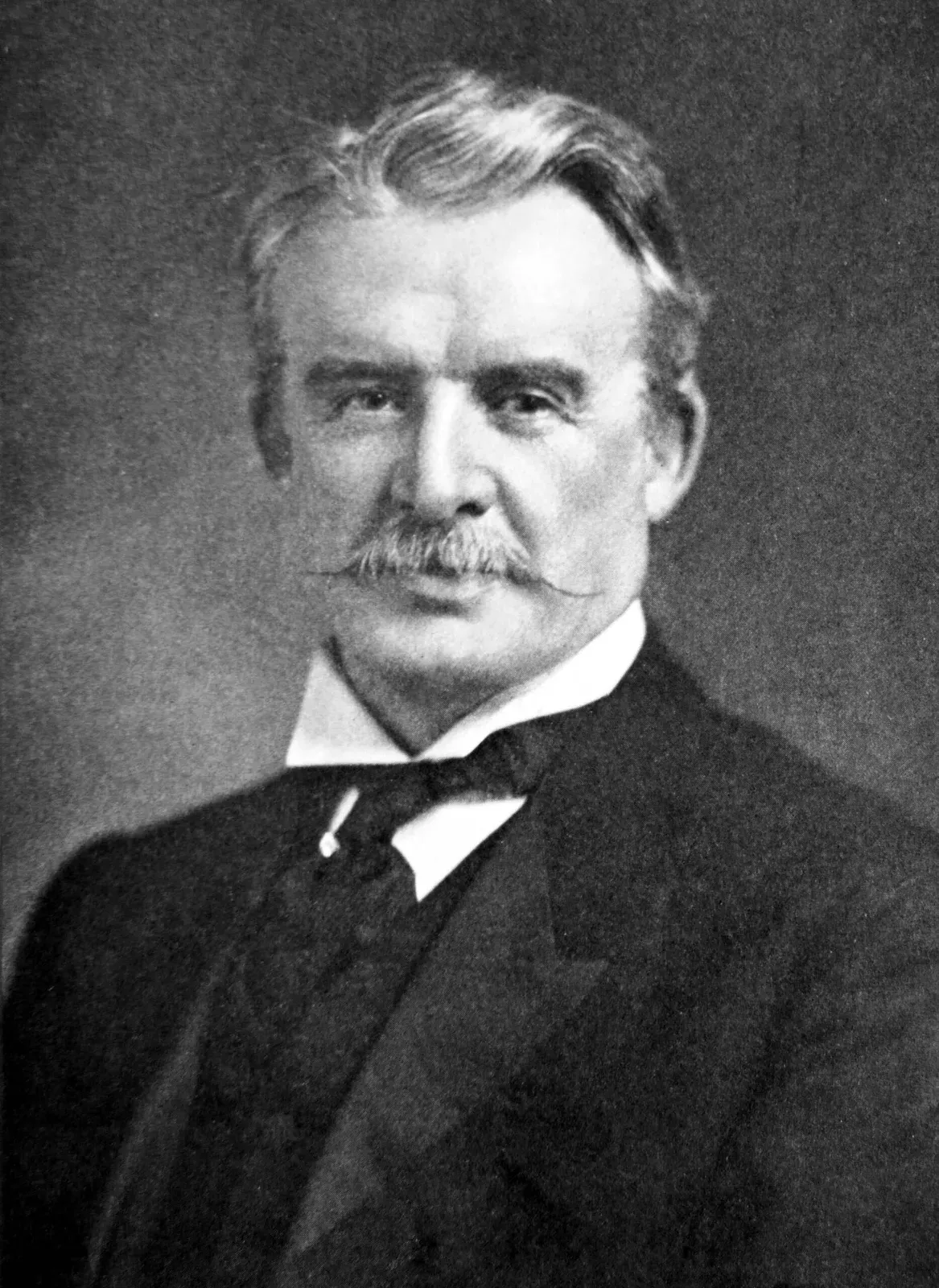
On 20 July 1885, the Football Association legalised professionalism after northern clubs threatened to walk away. That surrender made the Football League - and the global game we still argue about - possible.
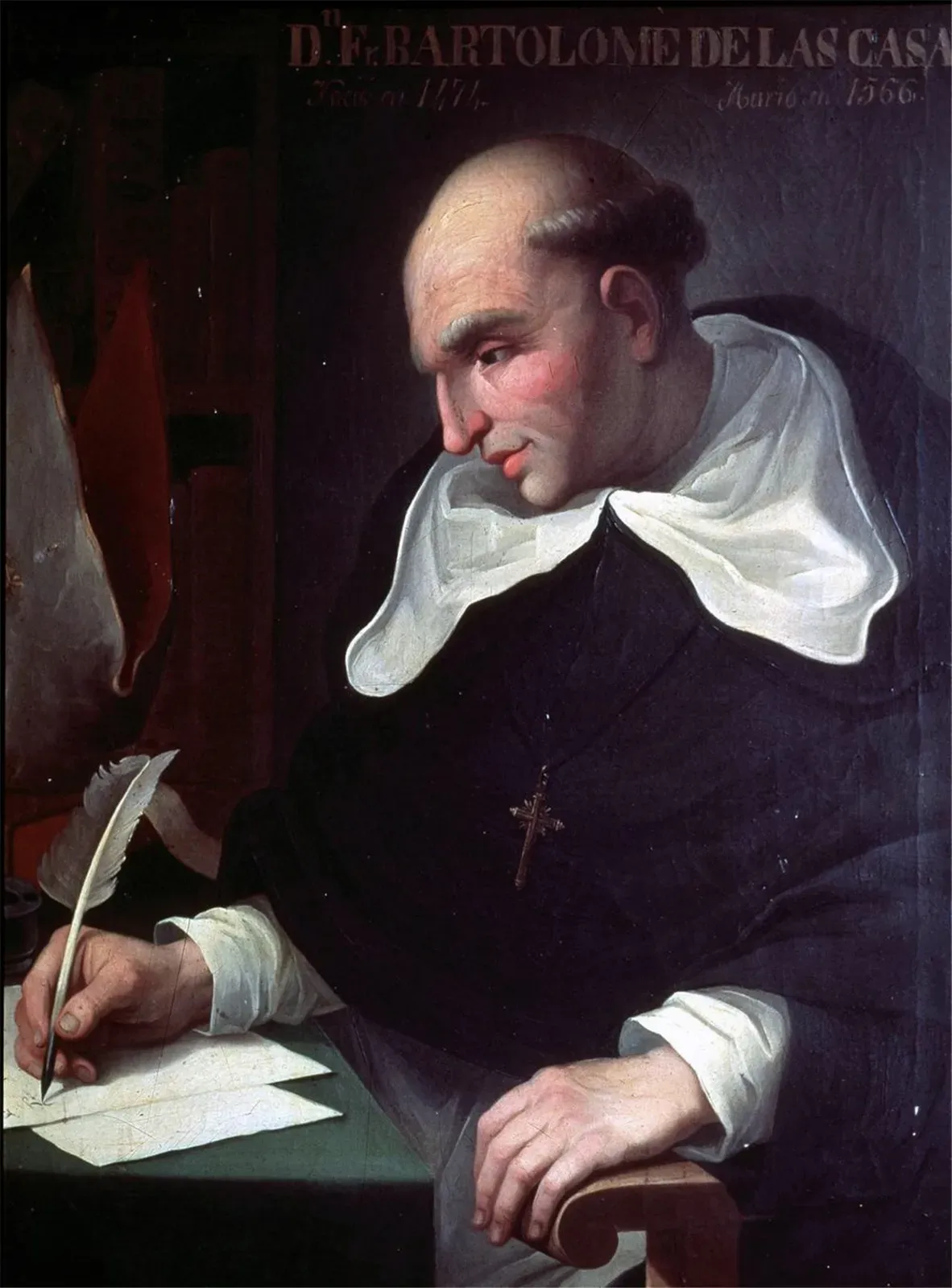
On 18 July 1566, Bartolomé de las Casas died in Madrid after fifty years spent prosecuting Spain's own conquest. He had begun as an encomendero in Hispaniola, and he never stopped being inconvenient - then to the colonists, now to almost everyone who tries to claim him.
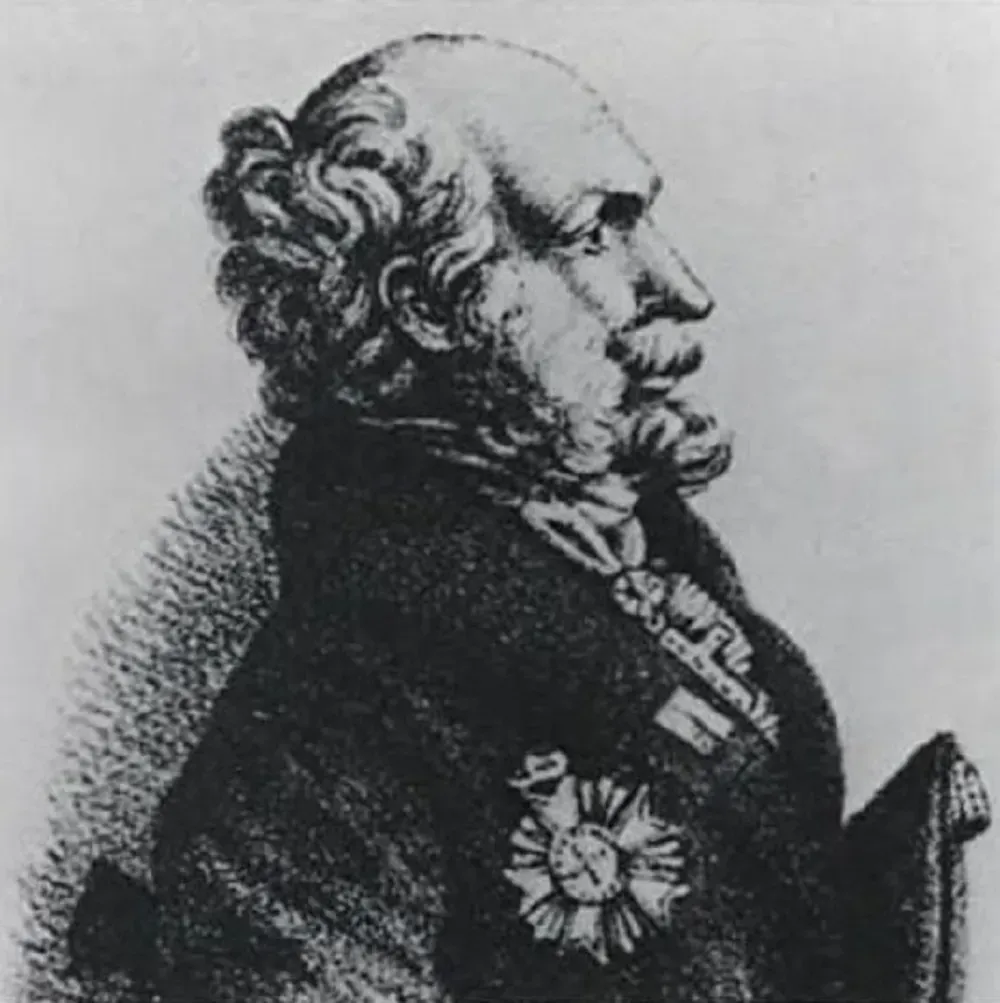
On 18 July 1817, Georg Anton Schäffer was forced off Kauai after trying to seize the Hawaiian islands for the Russian-American Company. Everyone remembers Alaska. Almost nobody remembers how close Russia came to a Pacific enclave.
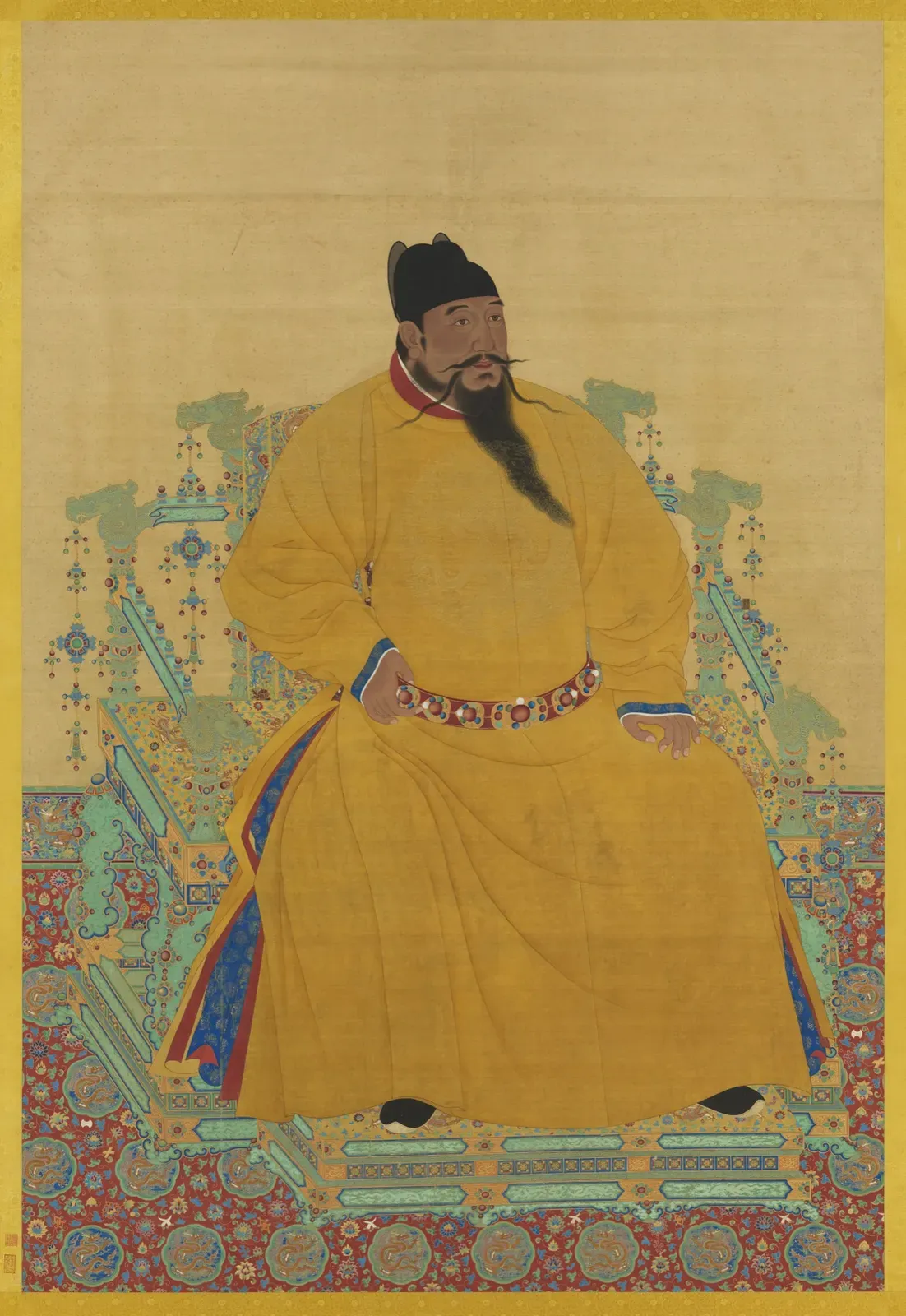
On 17 July 1402, Zhu Di crowned himself the Yongle Emperor four days after his nephew's palace burned to the ground with three unidentifiable bodies inside. He then erased that reign from the calendar, had 873 people executed over one scholar's refusal to pick up a pen, and built one of the most productive 22 years in Chinese history.
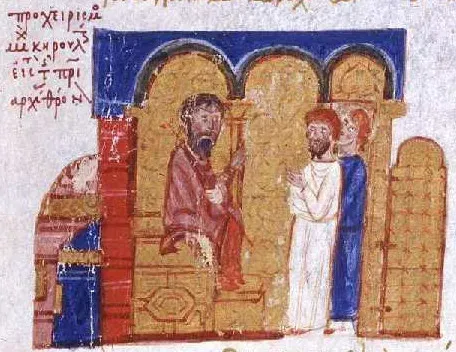
On 16 July 1054, three papal legates laid a bull of excommunication on the altar of Hagia Sophia during the Saturday liturgy. The pope who had sent them had been dead for three months. Historians still call it the formal start of the Great Schism.
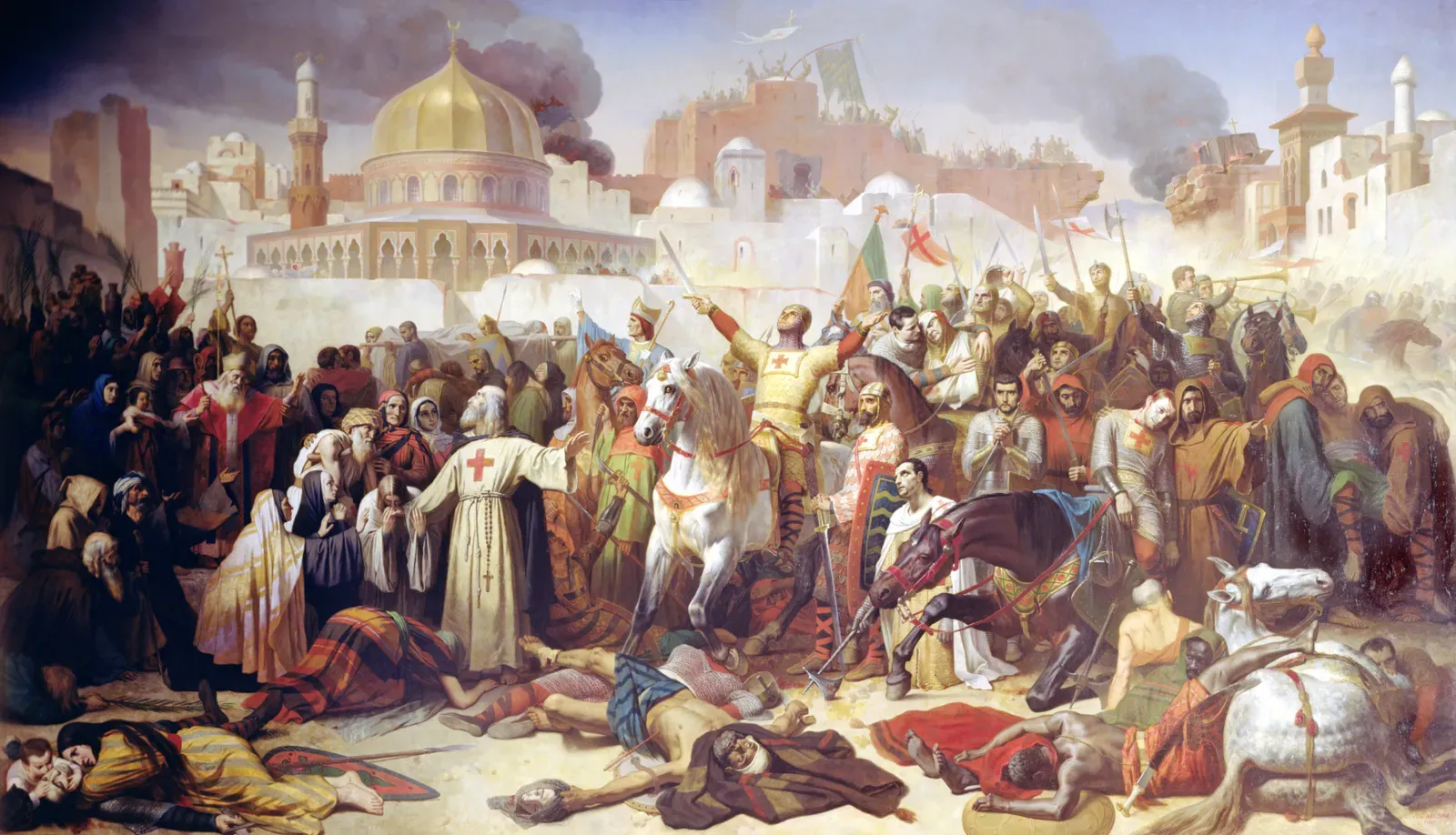
On 15 July 1099, Crusaders broke into Jerusalem after a five-week siege and three years of marching. Raymond of Aguilers described men riding through the Temple Mount in blood up to their horses' bridles.
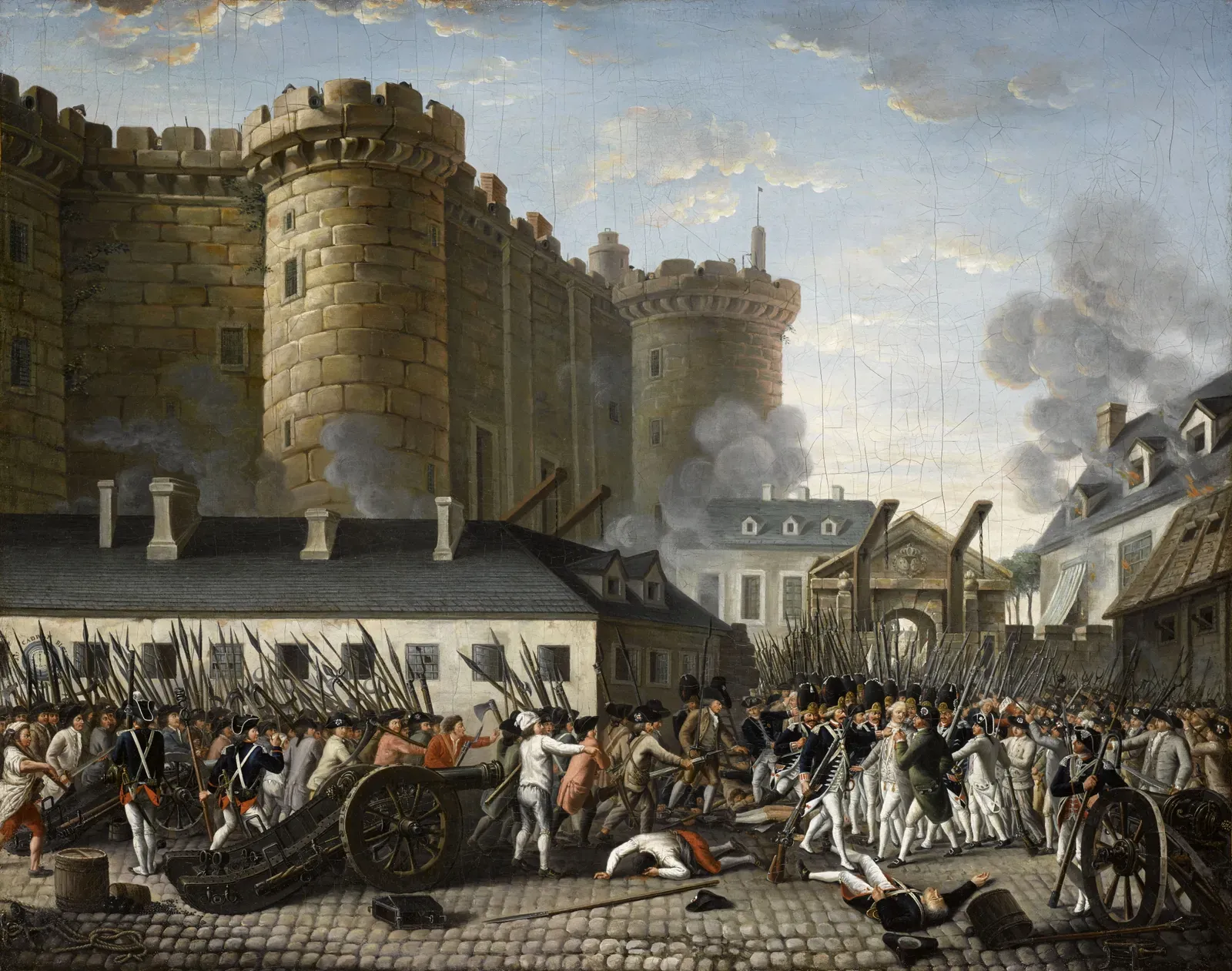
On 14 July 1789, Parisians stormed the Bastille after four hours of fighting that killed 98 attackers and one defender. Inside, they found seven prisoners in a fortress the state had already scheduled for demolition.
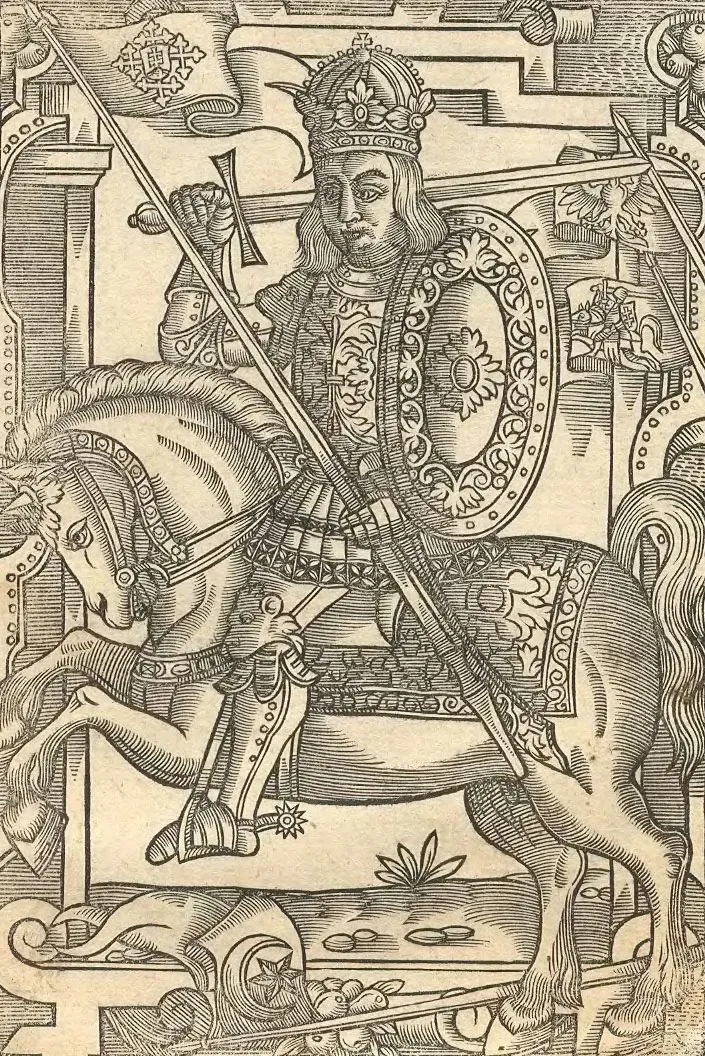
On 13 July 1260, the Livonian Order marched roughly 8,000 men and 190 knights to Lake Durbe to punish a Samogitian raid. It lost its own master, its Prussian marshal, and 150 knights in an afternoon, after its own allies walked off the field over a prisoner dispute.
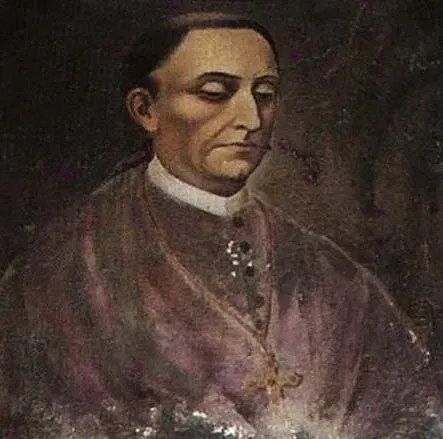
On 12 July 1562, Fray Diego de Landa burned thousands of Maya idols and 27 painted codices at Maní. Only four Maya books survive anywhere today. The man who destroyed them later wrote the one document that let scholars start reading what was left.