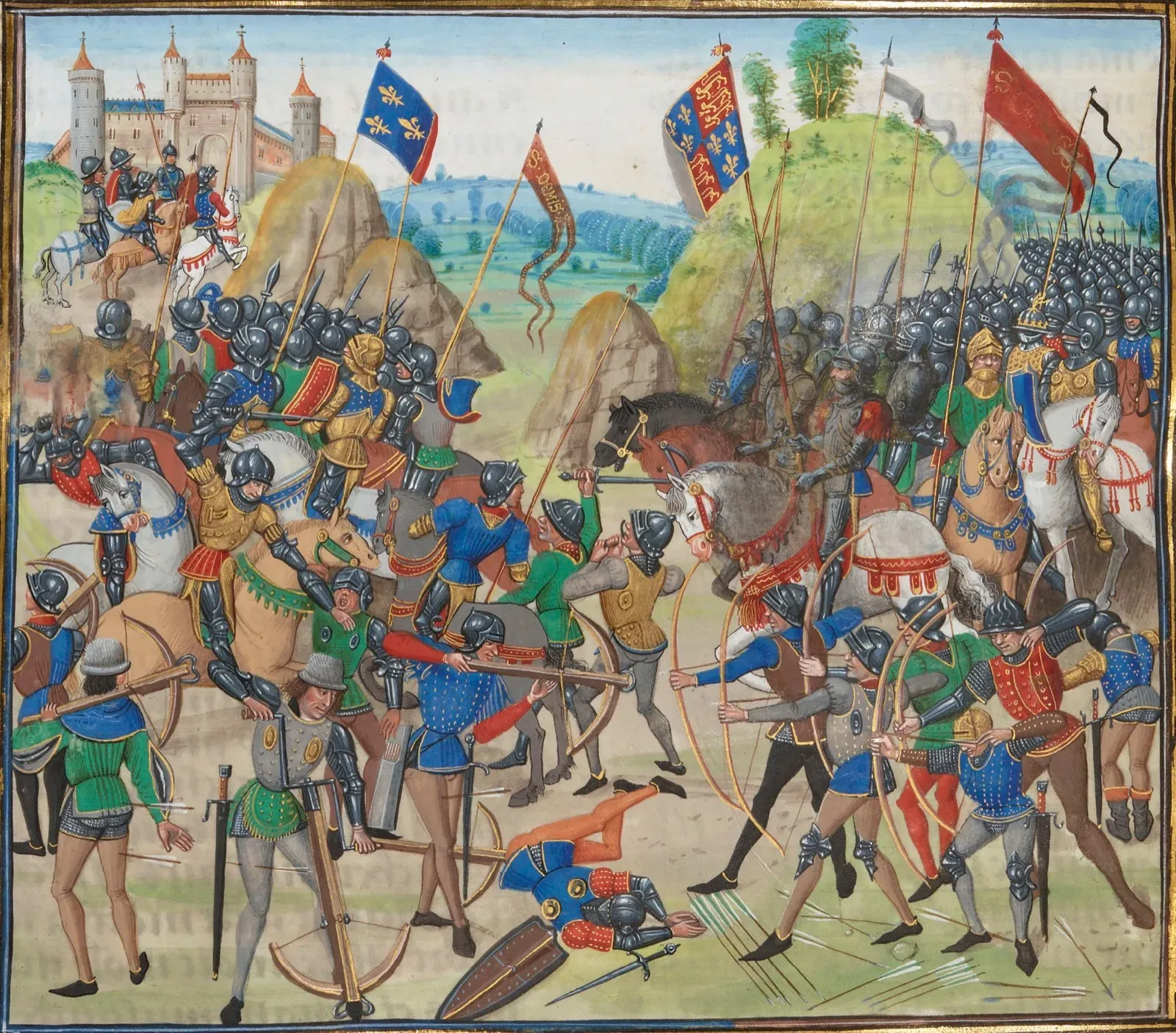
The Arrow Storm of Crécy
On 26 August 1346, English yeoman archers dismantled French chivalry at the Battle of Crécy. Edward III won the most famous tactical victory of the Middle Ages, but winning battles was never enough to conquer France.
252 posts tagged with this keyword.
On 26 August 1346, English yeoman archers dismantled French chivalry at the Battle of Crécy. Edward III won the most famous tactical victory of the Middle Ages, but winning battles was never enough to conquer France.
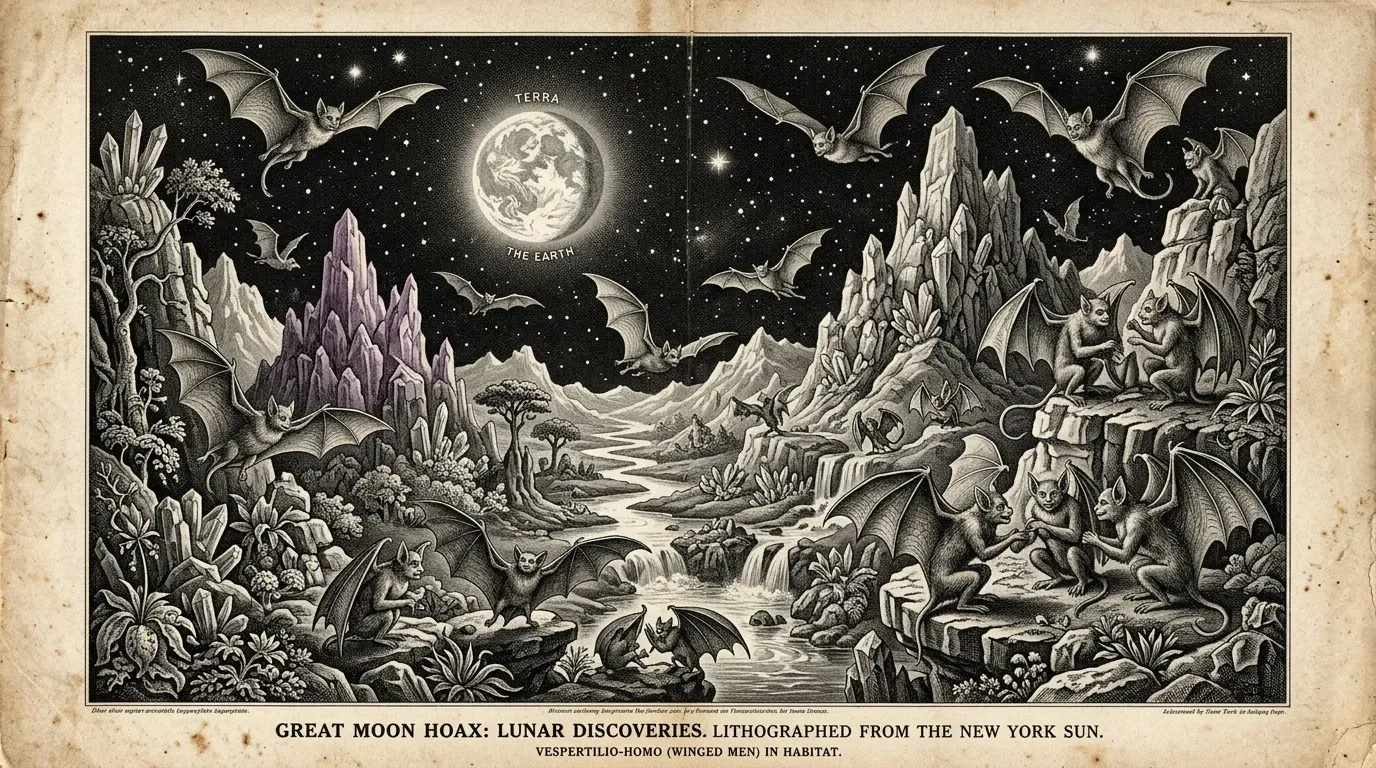
On 25 August 1835, The New York Sun published the first instalment of the Great Moon Hoax, claiming astronomers had discovered lunar oceans, biped beavers, and winged man-bats. It was the birth of industrial sensationalism.
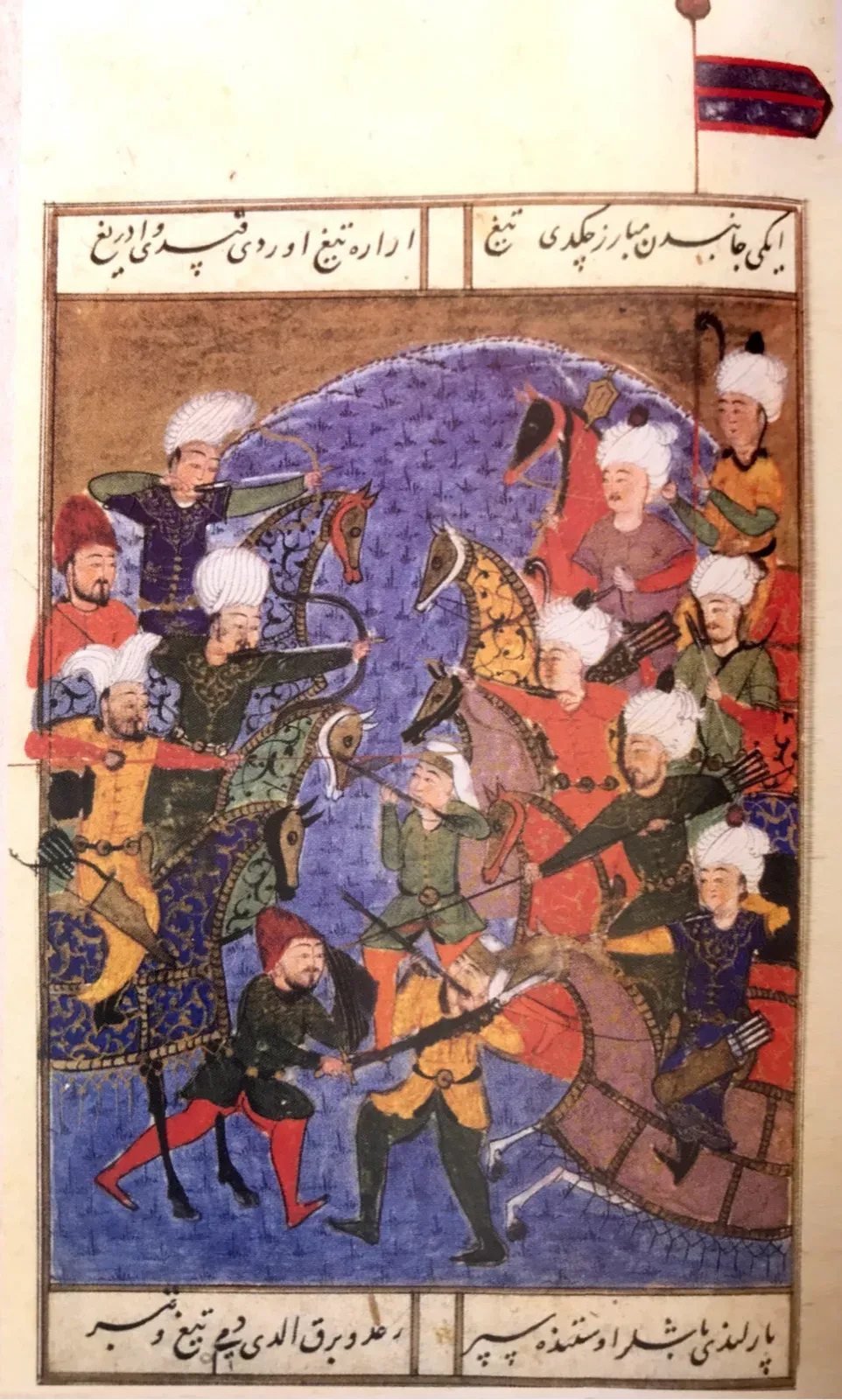
On 24 August 1516, Selim I destroyed the Mamluk army at Marj Dabiq with cannon and chained wagons. Suleiman the Magnificent inherited the glory, but his terrifying father did the butchery and paid the bills.
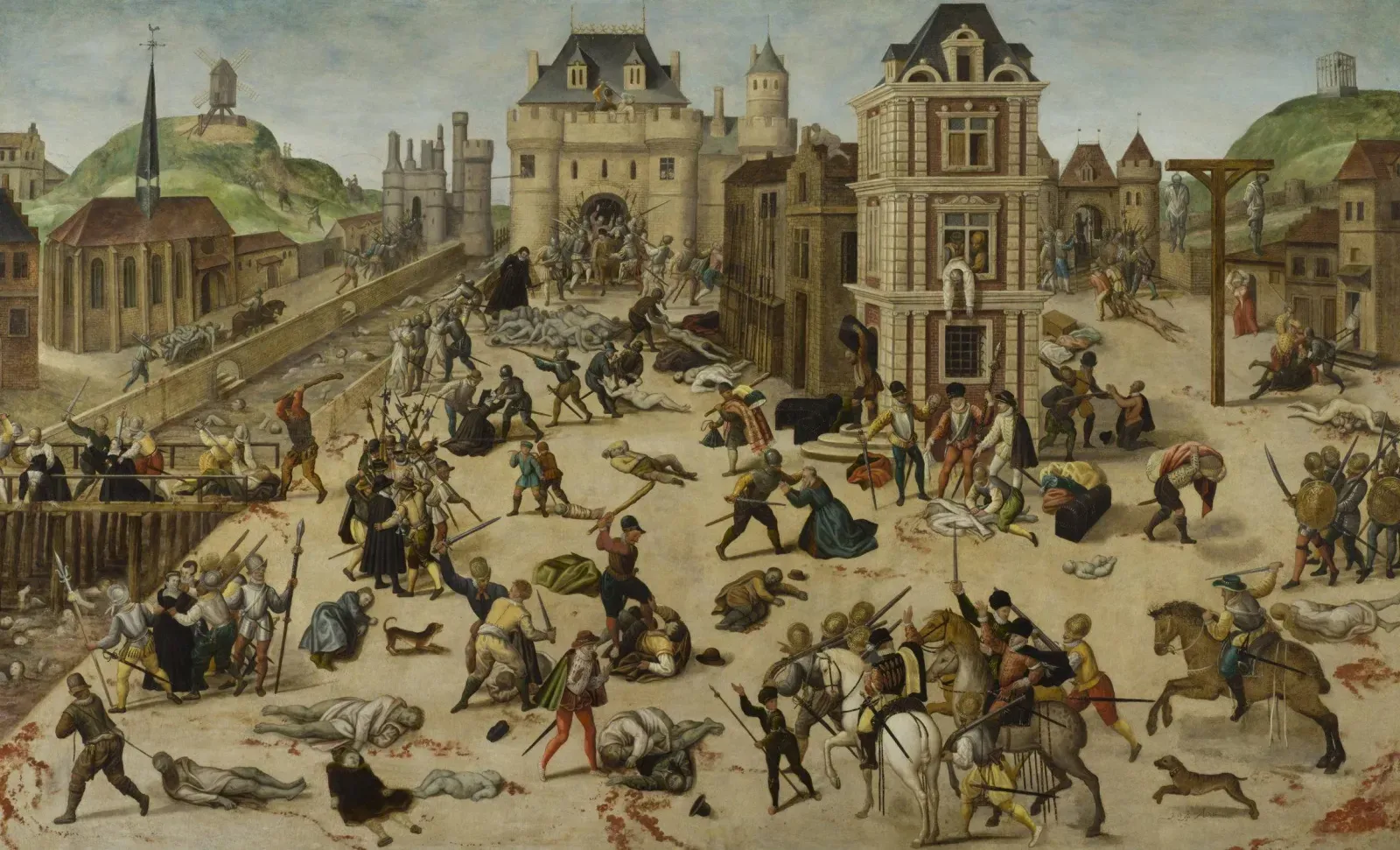
On the night of 23 August 1572, the French Crown turned a royal peace wedding into the St. Bartholomew's Day massacre. It was not a calculated masterstroke of Catholic statecraft, but a panicked cover-up for a botched assassination.
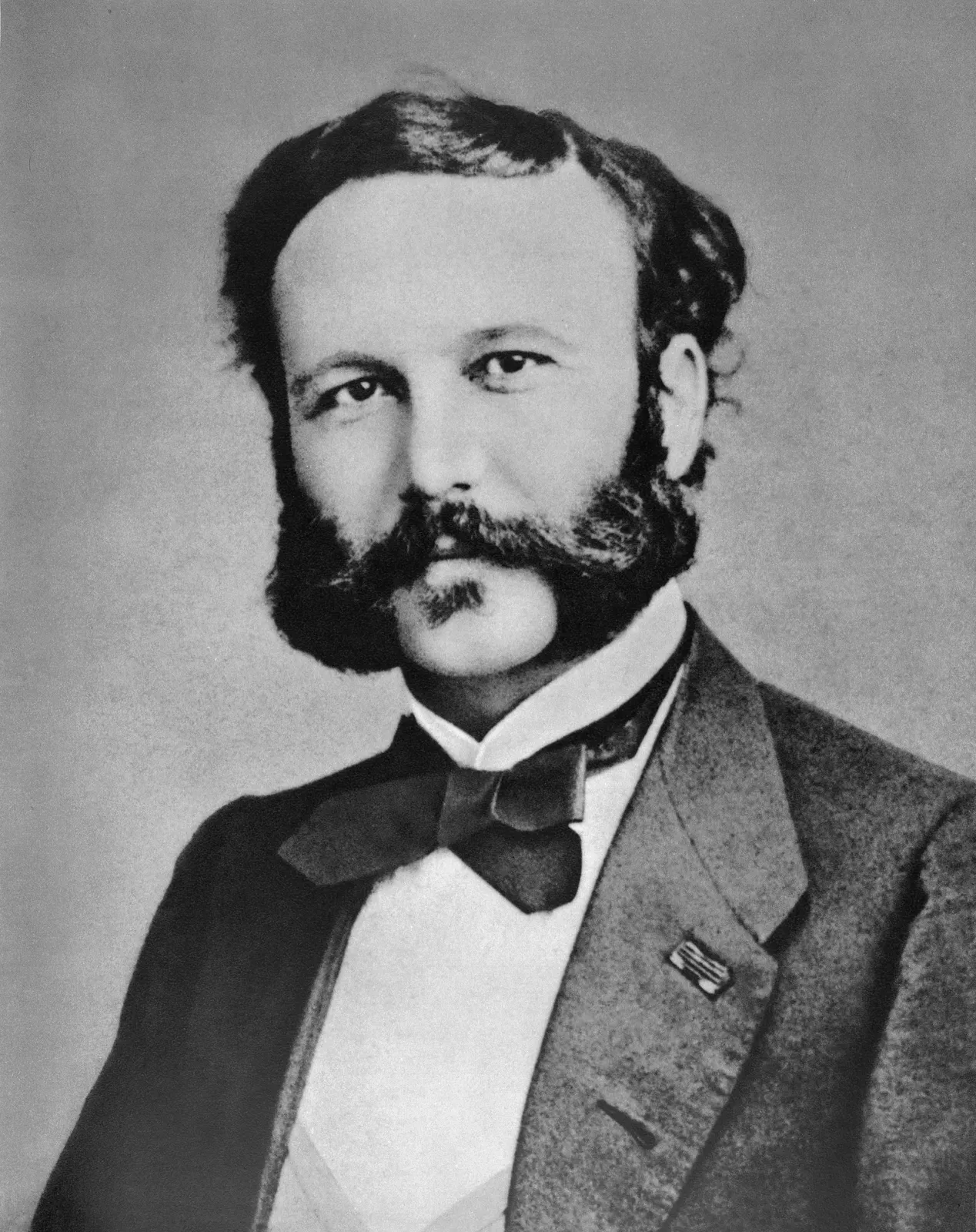
On 22 August 1864, twelve European nations signed the First Geneva Convention, establishing the neutrality of field medics and the wounded. It did not make warfare obsolete; it gave industrial slaughter a rulebook.
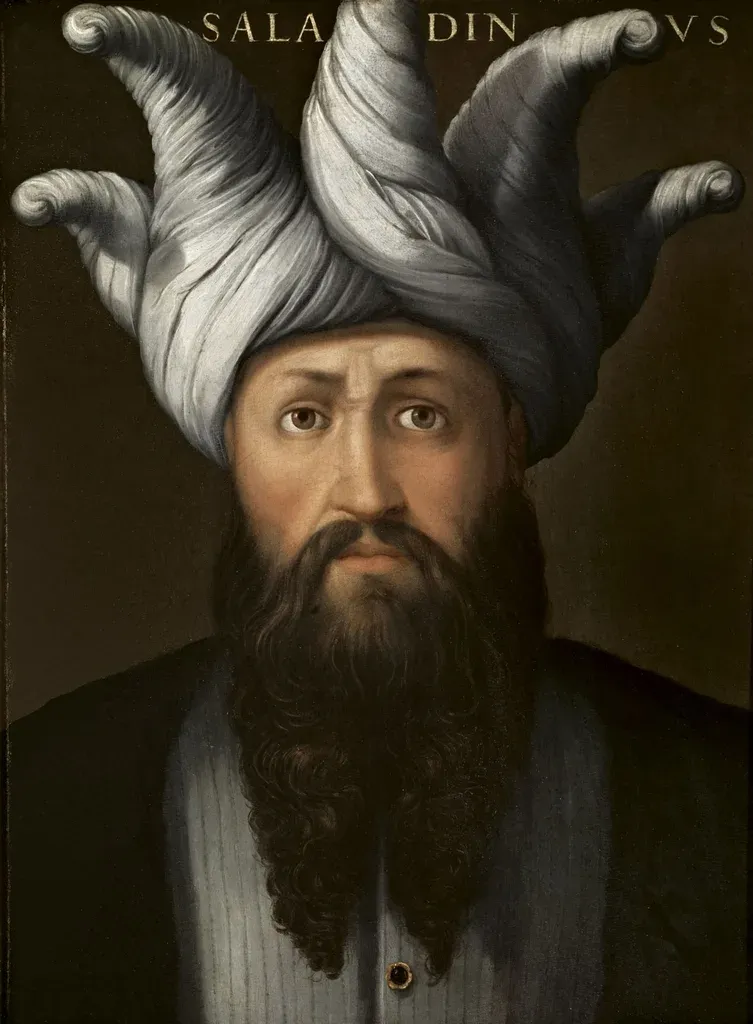
On 21 August 1169, Saladin crushed the 50,000-strong black African infantry of the Fatimid army in Cairo's streets. The Battle of the Blacks destroyed the military backbone of an empire and cleared the path for the Ayyubid dynasty.
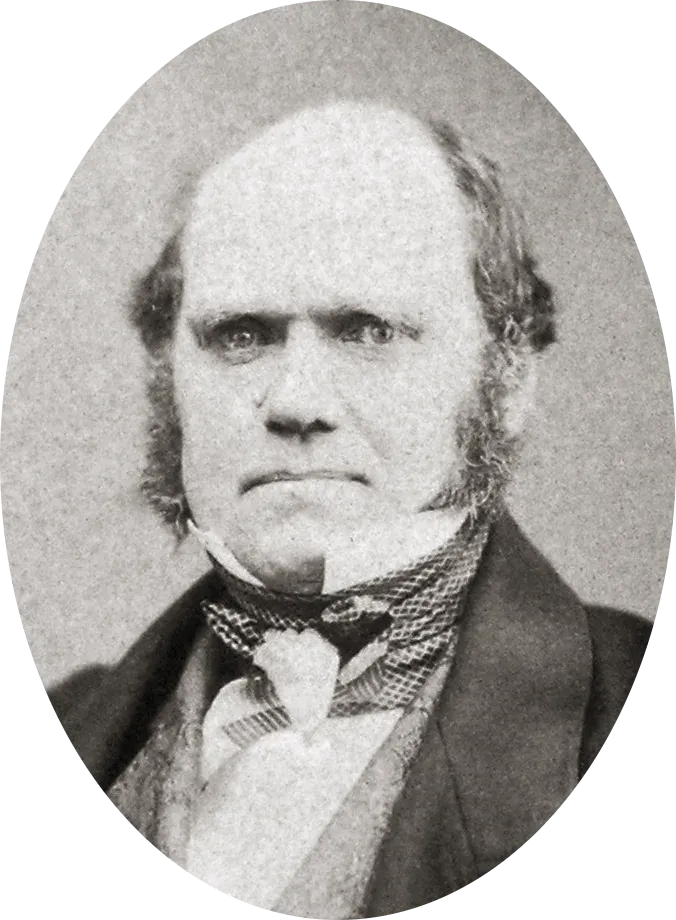
On 20 August 1858, Charles Darwin and Alfred Russel Wallace published their joint theory of evolution by natural selection in the Linnean Society journal. It was not a tidy triumph of scientific method, but a panic-driven establishment rescue operation after twenty years of paralysis.
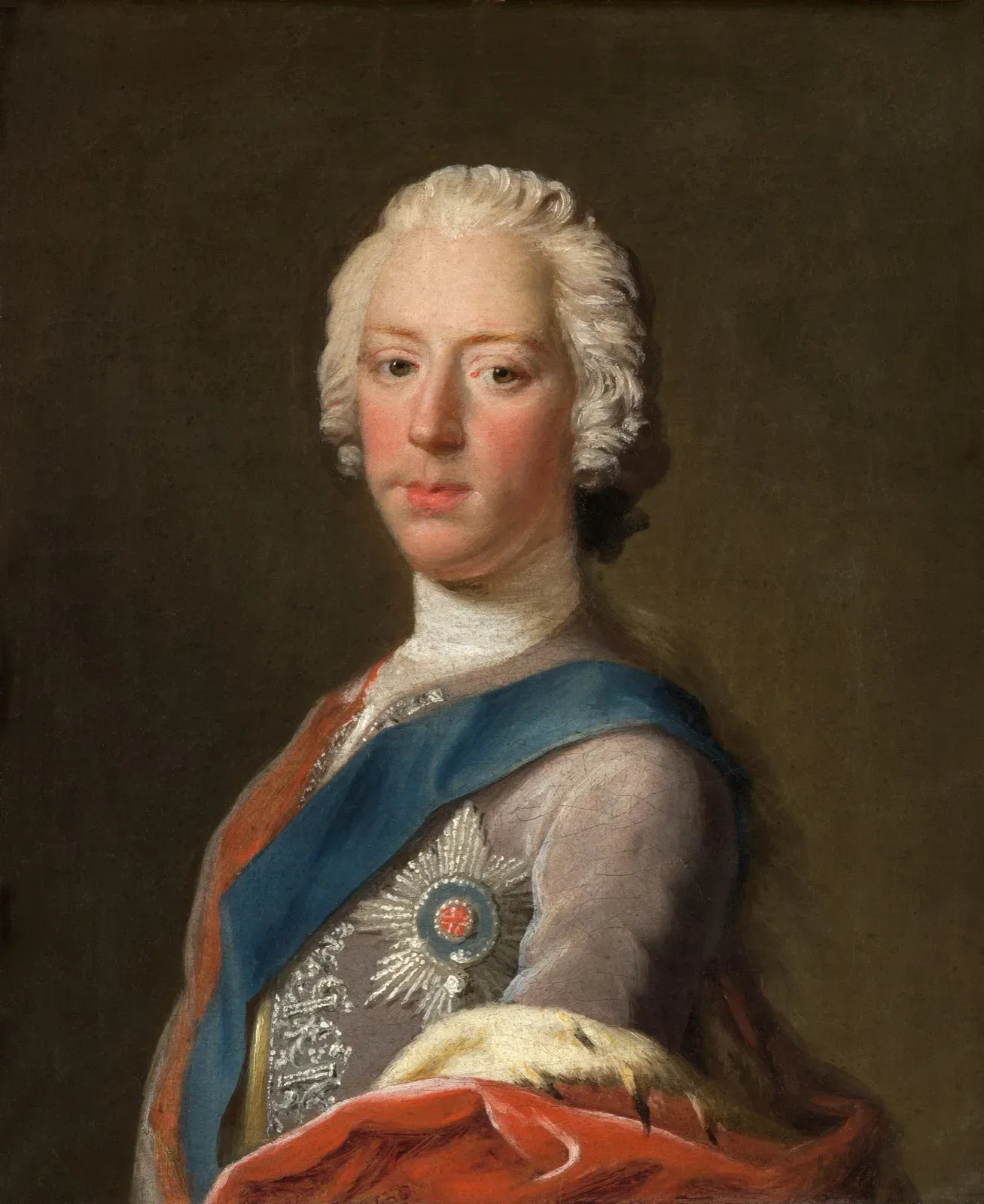
On 19 August 1745, Charles Edward Stuart raised the Jacobite standard at Glenfinnan, launching the '45 rebellion. The romantic myth of Bonnie Prince Charlie hides what the venture really was: an Italian-born prince gambling a centuries-old Celtic society on a dynastic fantasy.
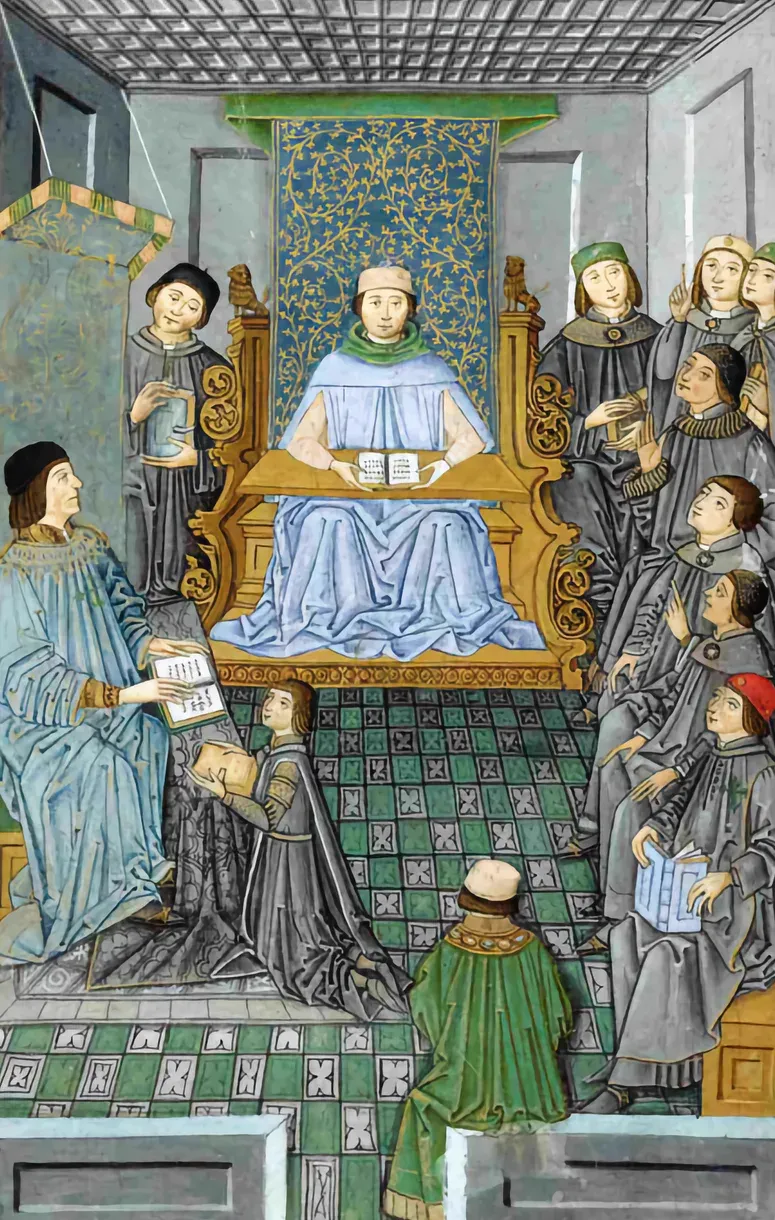
On 18 August 1492, Antonio de Nebrija presented Queen Isabella I with the first grammar of the Castilian language. Weeks after Columbus set sail, Nebrija handed the Spanish Crown the ultimate weapon of statecraft: a standardised tongue.
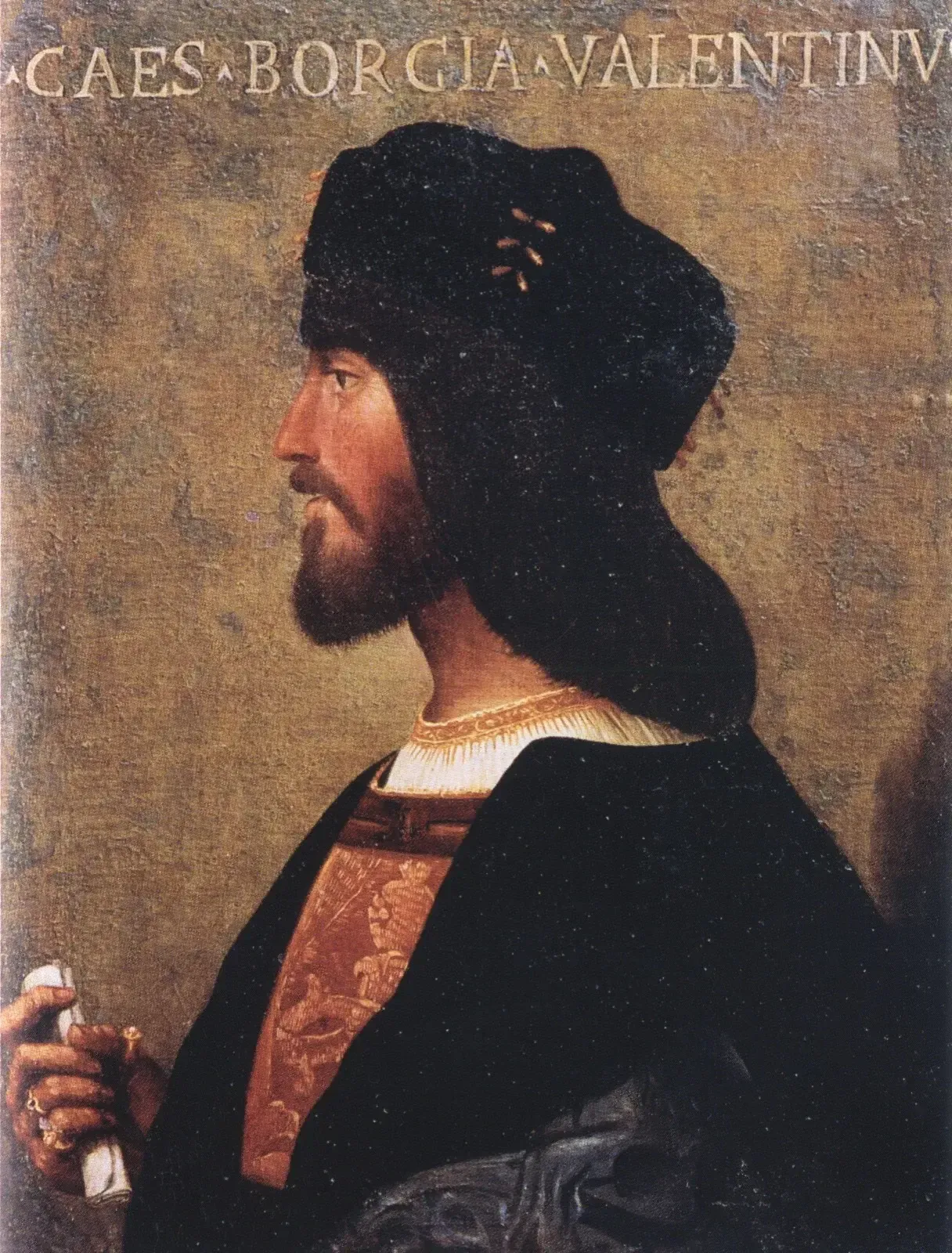
On 17 August 1498, Cesare Borgia became the first person in history to resign the cardinalate. Trading his red hat for a French duchy and an army, he became the lethal blueprint for Machiavelli's Prince.